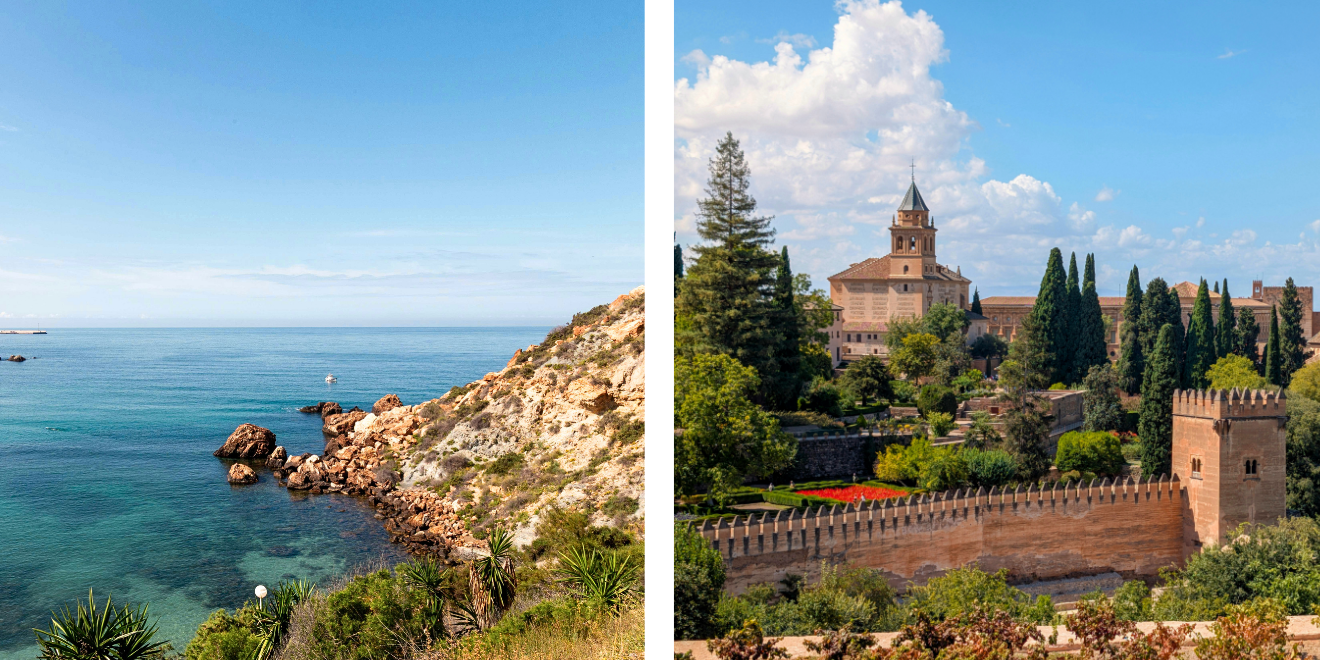
Do you dream ofsunshine, charming villages, beautiful beaches , and experiences off the beaten path? What if your next vacation in Spain revealed a more authentic side of the Iberian Peninsula? Spain is a country of a thousand faces, where each region has its own identity, traditions, and flavors.
Whether you’re planning a family trip to Spain, a weekend getaway, or an extended stay, one thing is certain: here, every day holds a new discovery at one of our campsites in Spain. Let us guide you through five destinations that embody all the richness of Spain.
Why choose Spain for your next vacation?
A destination that takes on a different character in every region
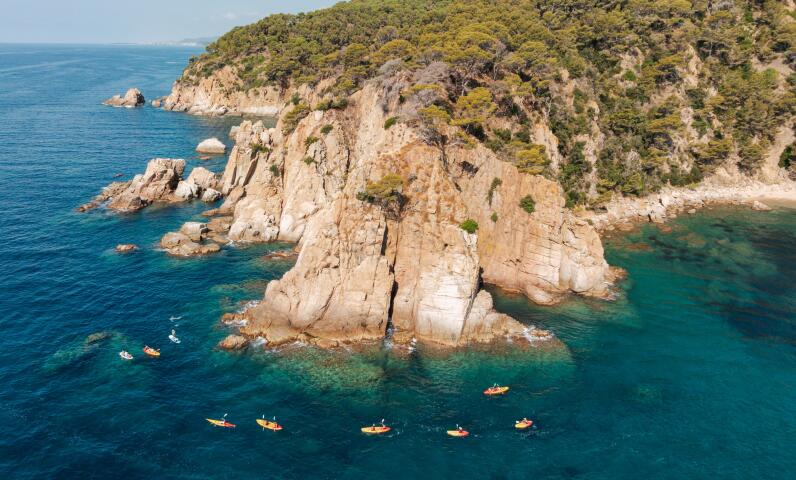
That’s undoubtedly what makes Spain so endearing: no two trips are alike. In the north, lush green hills plunge into the ocean, offering spectacular panoramic views. In the east, Mediterranean villages reveal their sun-bleached houses, while in the south, flower-filled patios and bustling squares tell the story of Andalusia.
This incredible diversity allows everyone to tailor their trip to their own tastes. Hiking enthusiasts will find their paradise in the mountains of Asturias. History buffs can wander through Barcelona, Madrid, or Seville. Families enjoy long days on the beaches ofthe Costa Brava or the Costa Dorada, while foodies discover a generous regional cuisine, where every meal becomes a true experience. This cultural richness makes Spain an ideal destination for both a few days and several weeks. Here, every detour holds a wonderful surprise.
Did you know? With nearly 8,000 kilometers of coastline, Spain offers an incredible diversity of coastal landscapes: long family-friendly beaches, wild coves, dizzying cliffs, and secluded little bays.
Sea, culture, or nature: Which side of Spain suits you best?
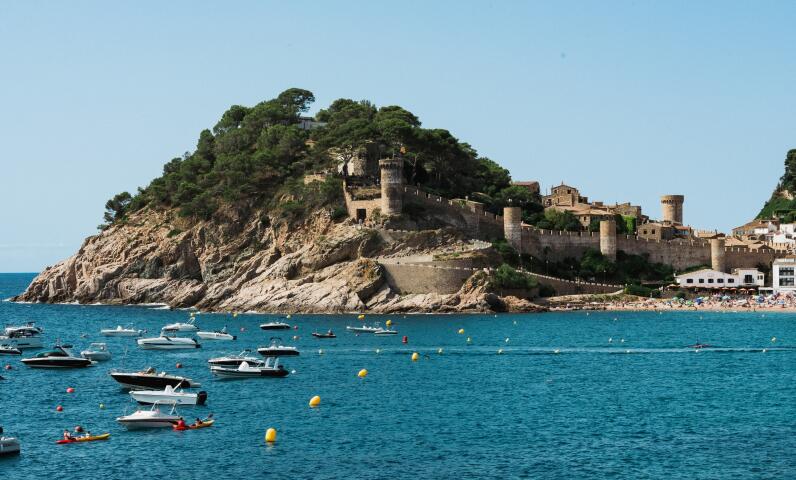
Do you enjoy alternating between cultural sightseeing and swimming? Let Barcelona charm you before heading to the coves of the Costa Brava. Do you dream of authentic villages and unspoiled nature? Asturias offers a still-little-known side of the country, with its mountains, wild beaches, and small fishing ports.
Others prefer to extend their itinerary between Barcelona and Valencia, along the Mediterranean coast, or head for the Costa del Sol, renowned for its year-round sunny climate. And if your desire to get away takes you even further, the Balearic Islands charm visitors with their crystal-clear waters and stone villages, while the volcanic Canary Islands promise spectacular landscapes featuring dunes, cliffs, and lush forests. Whatever your preference, Spain offers you great freedom.
Our Top Picks for Exploring Spain
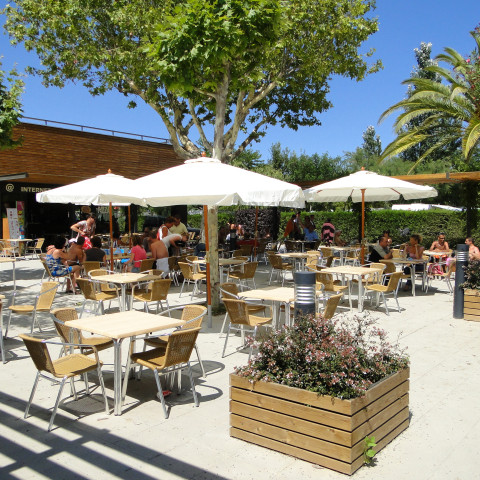
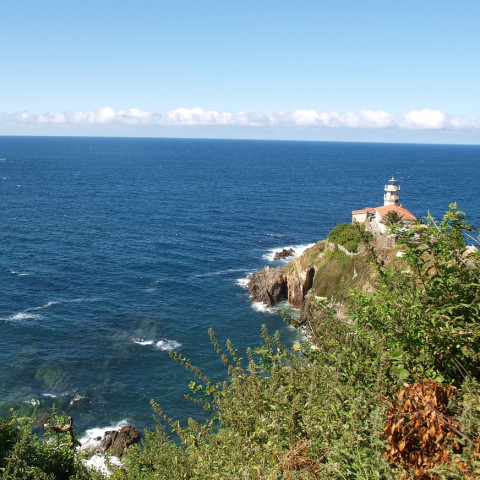
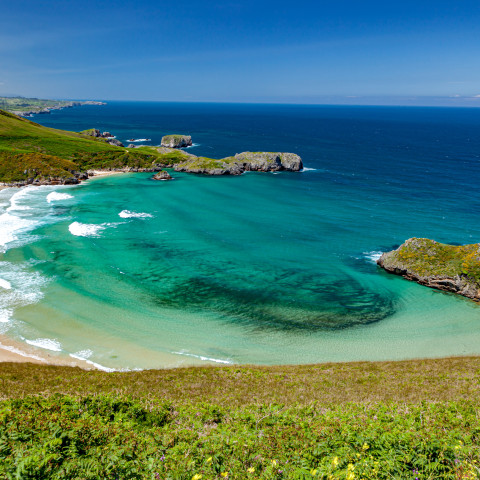
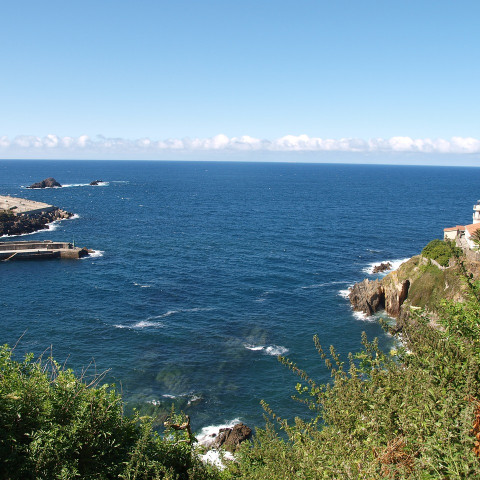


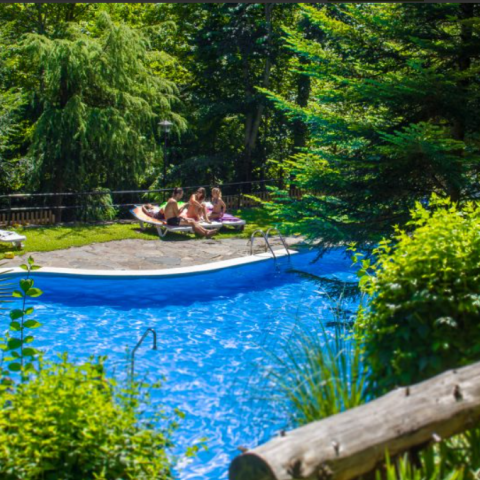
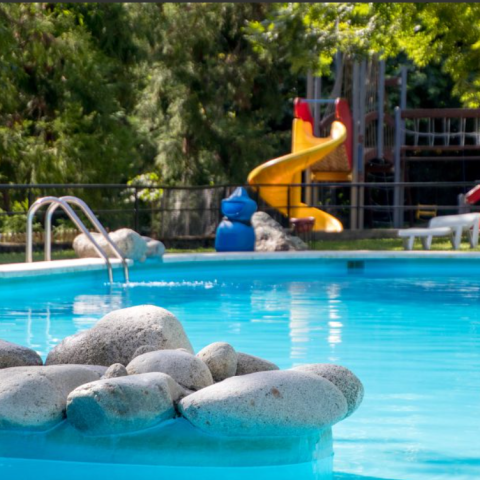
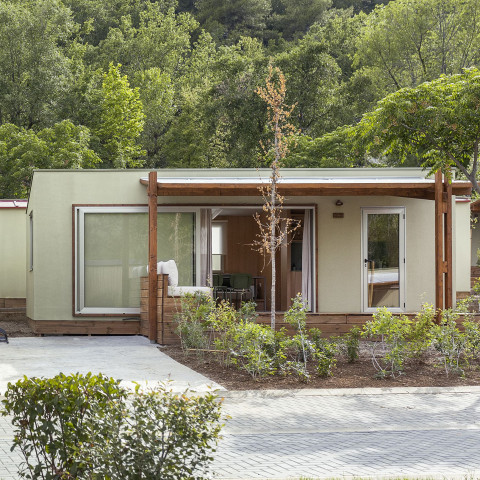
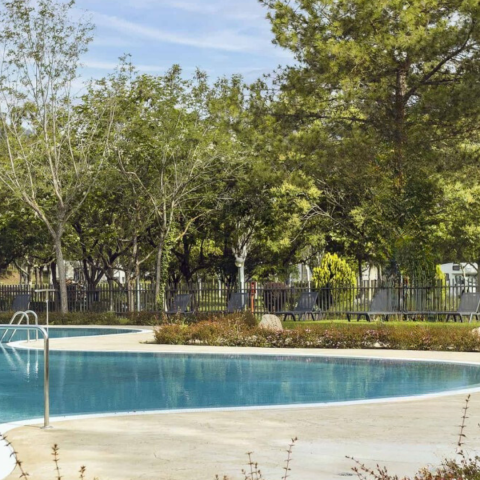

Spain: Where should you go on vacation for an authentic experience?
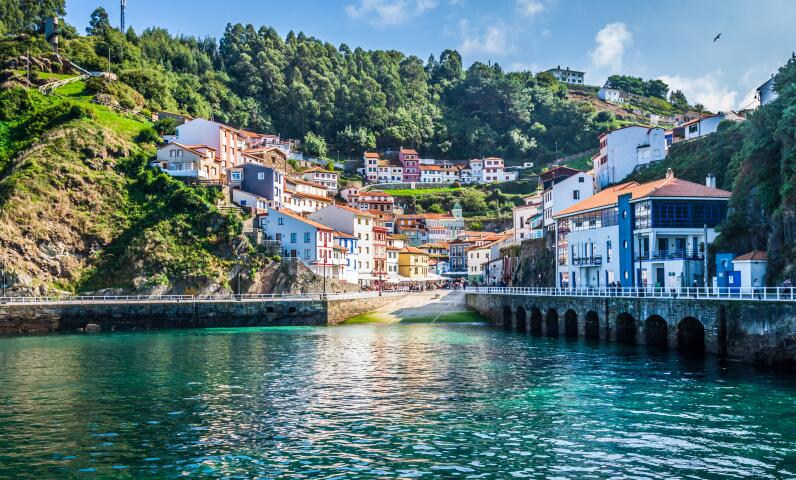
Asturias, the "Green Spain" where nature is reclaiming its place
Here in the northwest of the country, Asturias reveals a very different side. From our campground in Asturias, the mountains plunge into the ocean, forests cover the hills, and cows graze in bright green meadows. It’s an almost unexpected landscape, earning this region the nickname “Green Spain.”
At daybreak, the cliffs of Cabo Vidio glow with a golden light as the waves of the Atlantic crash against the rocks dozens of meters below. The sight is breathtaking. Further on, the colorful houses of Cudillero, clinging to the hillside, create one of the most beautiful panoramas in northern Spain.
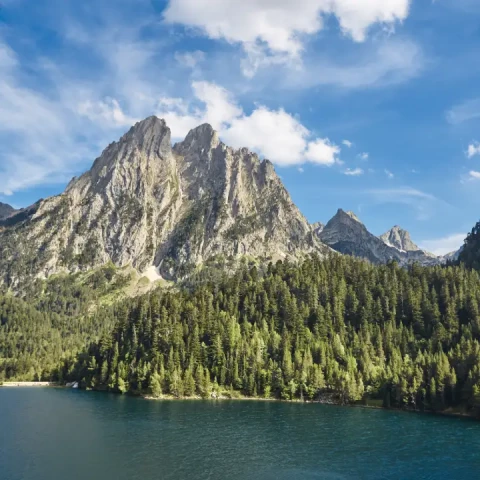
Hiking enthusiasts will find a true playground here. The trails of the Picos de Europa National Park wind through limestone peaks, glacial lakes, and lush green valleys. The coast also holds some magnificent surprises. The beaches of Torimbia, Gulpiyuri, and Cuevas del Mar are among the most beautiful on the northern Iberian Peninsula.
Our guests’ favorite: Head to the small village of Llanes at the end of the day. As the last rays of sunlight illuminate its harbor, the colorful facades are reflected in the water while locals gather on the terraces to share some tapas. A simple, authentic… and deeply Spanish escape.
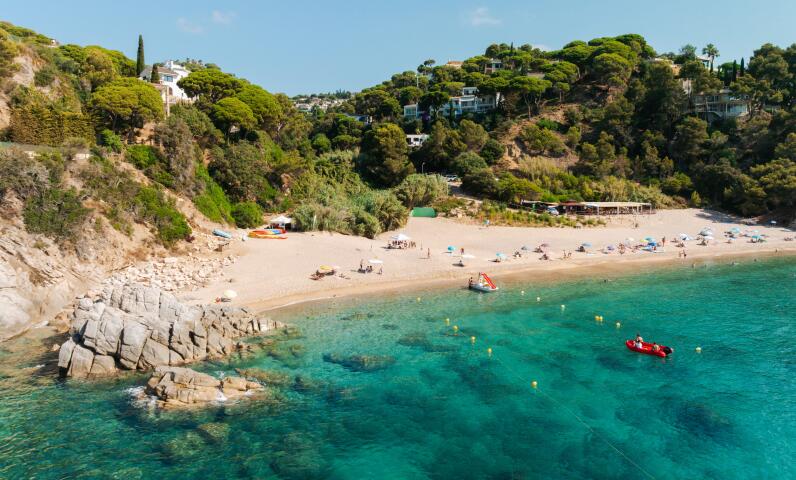
The Costa Brava: From Hidden Coves to Fishing Villages
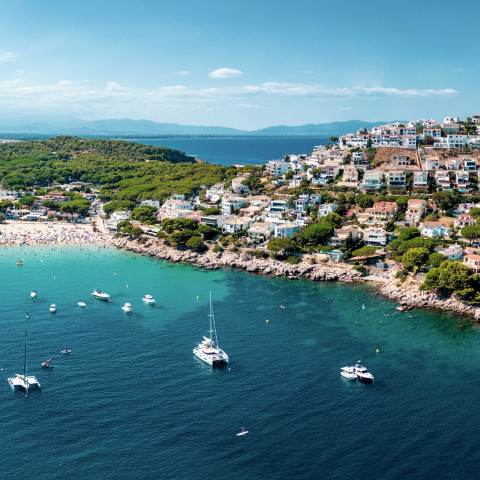
Just a few kilometers from the French border, the Costa Brava boasts a spectacular coastline where umbrella pines seem to plunge directly into a turquoise-hued sea. From a campground on the Costa Brava, begin your exploration in Cadaqués, undoubtedly one of the most beautiful villages in Catalonia. Its cobblestone streets, whitewashed houses, and blue shutters give it an almost island-like atmosphere. From the village, head to Cap de Creus, where wind-sculpted cliffs plunge into the deep-blue Mediterranean.
Further south, Begur, Calella de Palafrugell, and Llafranc invite you to slow down. Between swims, let yourself be carried along by the Camins de Ronda, ancient customs officers’ trails that run along the coastline. Around every bend, a new cove with crystal-clear waters appears, sometimes accessible only on foot. Some still seem untouched by mass tourism. Here, everyone can find their own little slice of paradise: a lively beach for the kids, a secluded cove for a morning swim, or a terrace overlooking the sea where you can savor grilled fish and shrimp fresh from the harbor.
Our tip: Set out early in the morning on the trail connecting Llafranc to Calella de Palafrugell. The low-angle sunlight makes the cliffs look stunning, the scent of pine fills the air, and you’ll often have the coves almost all to yourself.
Want to experience Spain—where the ocean, fine dining, and culture come together?
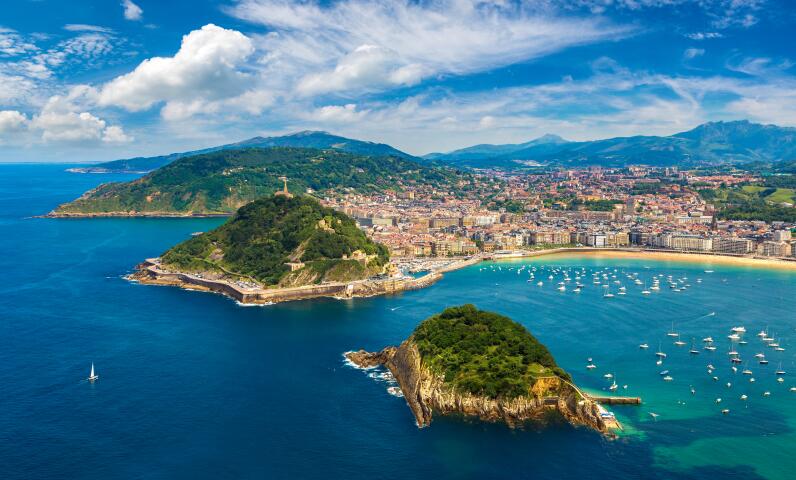
The Spanish Basque Country: A Land of Character, Blending Tradition and Modernity
At the northern tip of Spain, the Basque Country has a strong sense of identity. Here, traditions are cherished with pride, fishing villages stand side by side with bold contemporary architecture, and fine dining is part of everyday life. From our campground in the SpanishBasque Country, begin your exploration in Bilbao, a city that has undergone a remarkable transformation in recent decades while retaining its industrial spirit. You can’t miss the spectacular Guggenheim Museum, whose titanium curves seem to interact with the Nervión River.
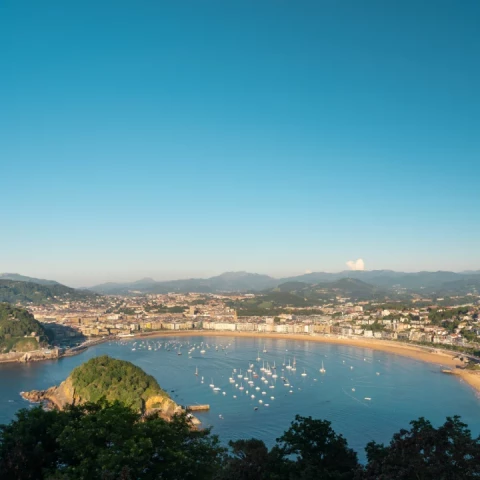
But Bilbao is also best explored on foot. Wander through the narrow streets of the historic Siete Calles district, step inside the Mercado de la Ribera—one of Europe’s largest covered markets—and then treat yourself to a few pintxos paired with a glass of txakoli, the local slightly sparkling white wine. An hour’s drive away, San Sebastián (Donostia) reveals a completely different side. Its famous La Concha Beach forms an elegant, shell-shaped bay, bordered by a promenade where locals and visitors love to gather at any time of day.
Our guests’ favorite: Take the historic funicular up to Monte Igueldo. From the top, the view of San Sebastián Bay is simply spectacular, especially as the sun dips below the horizon.
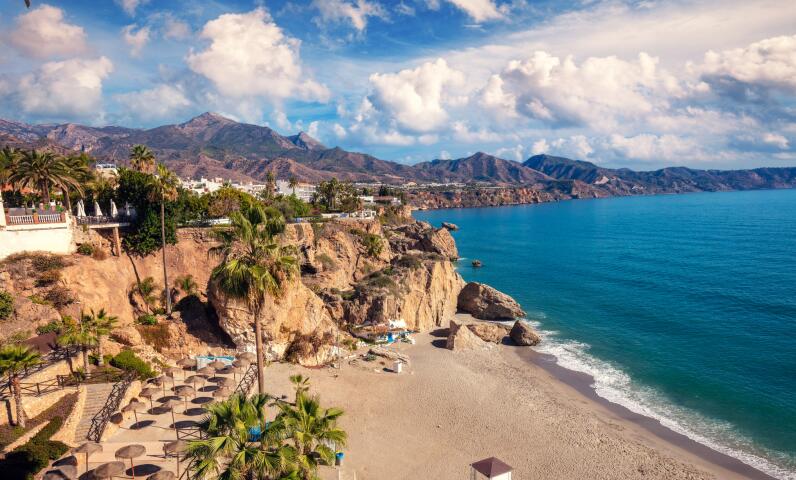
Andalusia and the Costa del Sol: The Art of Living Under the Spanish Sun
Heading south. The atmosphere changes immediately. The whitewashed facades reflect the light, orange trees fill the squares with their fragrance, and patios overflow with colorful bougainvillea. Welcome to Andalusia, a region where every street tells the story of several centuries of history. The Costa del Sol naturally attracts travelers in search of sun and sea. Its long beaches offer a mix of swimming, water sports, and strolls along the lively boardwalks. But to reduce this region to just its coastline would be to miss out on its most beautiful treasures.
Just a few kilometers away, hilltop white villages like Mijas, Frigiliana, and Ronda offer a setting straight out of a postcard. Time seems to pass more slowly there. Further west, Málaga surprises with its creative energy. The birthplace of Pablo Picasso, it combines museums, art galleries, lush gardens, and seaside promenades. Its historic center invites you to stroll among boutiques, cafés, and gourmet markets.
As the heat subsides at the end of the day, the squares gradually fill up. The outdoor cafes come alive, musicians set up, and everyone enjoys the mild Andalusian evenings.
Did you know? Many Andalusian villages still hold local festivals today, where locals and travelers alike share music, dance, and regional specialties. It’s a wonderful opportunity to discover the most authentic side of Spain, far from the usual tourist routes.
Which major cities should you visit during your vacation in Spain?
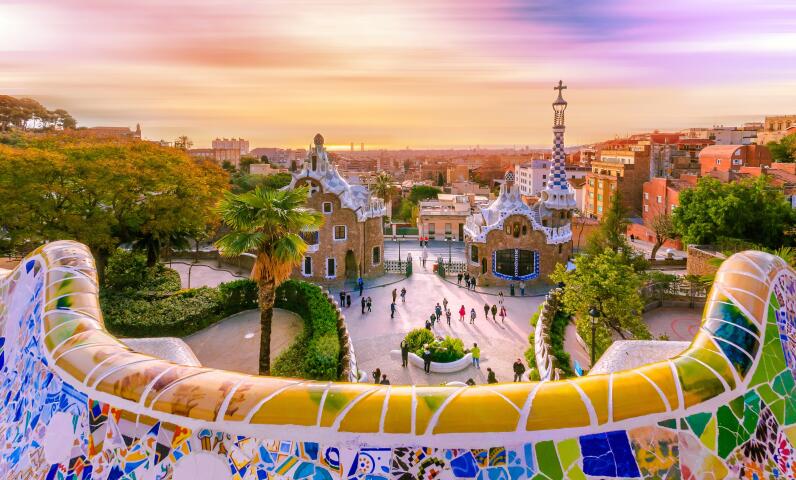
Barcelona, the capital of the Iberian Peninsula
It’s hard to talk about a vacation in Spain without mentioning one of its two major cities. In Barcelona, every stroll holds a surprise. Gaudí’s works dot the city with architecture unlike anywhere else in the world. It’s impossible not to be moved by the majestic towers of the Sagrada Familia, whose details seem to tell a different story with every glance. Just a few streets away, the colorful facades of Passeig de Gràcia, the Boqueria Market, and the small squares of the Gràcia neighborhood reveal a city that’s vibrant, creative, and deeply Mediterranean.
Beach lovers can easily extend their getaway to the Costa Brava or choose an itinerary connecting Barcelona and Valencia—two sun-drenched cities where culture blends with the Mediterranean way of life.
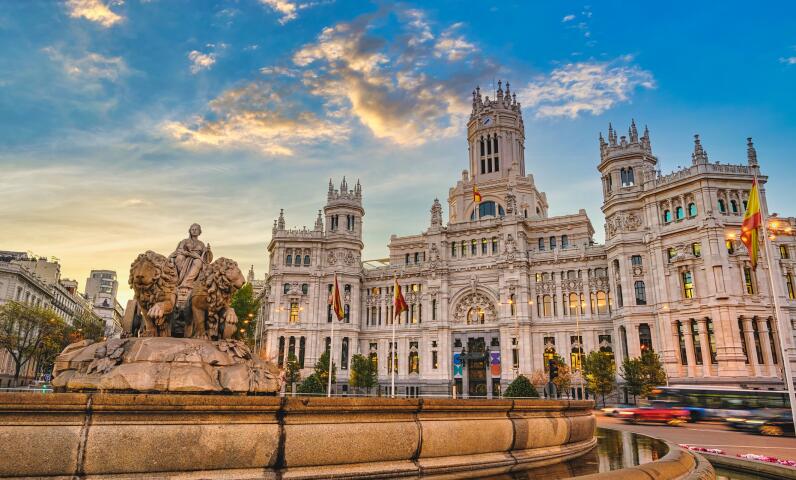
Madrid, a must-see capital with a thousand facets
While many people pit Barcelona against Madrid, these two cities actually complement each other perfectly and each is worth spending several days exploring. More than 600 kilometers away, Madrid offers a completely different atmosphere. More monumental and regal, the Spanish capital charms visitors with its grand boulevards, elegant squares, and incredible cultural richness. Art lovers will happily spend a morning at the famous Prado Museum, considered one of Europe’s most prestigious museums, before heading to Retiro Park for a break by the lake.
Come evening, Madrid reveals an infectious energy. The outdoor cafes fill up late into the night, flamenco shows begin, and neighborhoods like La Latina and Malasaña invite you to extend your evening in a warm, welcoming atmosphere. It’s a different way to discover Spain—always lively, yet never quite the same from one region to the next.
Spain, a destination that makes you want to come back
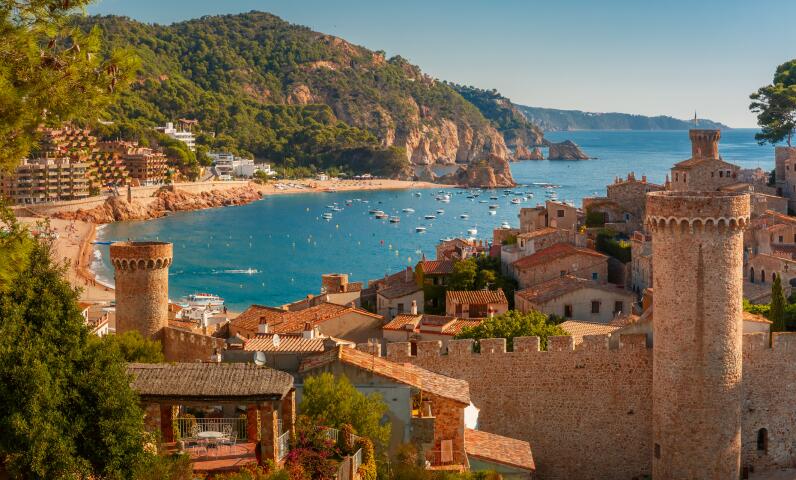
From the rugged cliffs of Asturias to the secluded coves of the Costa Brava, from Basque traditions to the white villages of Andalusia, Spain offers exceptional diversity. What if your next vacation in Spain began where the classic itineraries end?
FAQ – Vacations in Spain
Asturias, the Costa Brava, and the Basque Country are among the most beautiful vacation destinations in Spain, thanks to their diverse landscapes, their authenticity, and their wide range of activities.
If you want to combine the sea with nature, consider Asturias, the Costa Brava, or the Canary Islands. These regions offer beautiful beaches, hiking trails, and remarkably well-preserved natural areas.
The Costa Brava is an excellent choice for a first trip to Spain. Easily accessible, it combines charming villages, secluded coves, cultural heritage, and Mediterranean cuisine.
The Sagrada Familia in Barcelona, the Prado Museum in Madrid, the Guggenheim Museum in Bilbao, the Picos de Europa, and the white villages of Andalusia are among the must-see attractions on a trip to Spain.
Spring and fall are the best times to visit Spain. The temperatures are pleasant, the tourist sites are less crowded, and the landscapes are especially vibrant.
About the Author
Gwénaëlle
Brand Content Manager at Sunêlia • Destination Explorer
Passionate about travel and always curious to discover something new, Gwénaëlle explores Sunêlia destinations in search of experiences that make every stay unique. Great places to visit, getaways, family activities and local gems: she shares her tips and inspiration to help you plan holidays filled with discoveries and lasting memories.