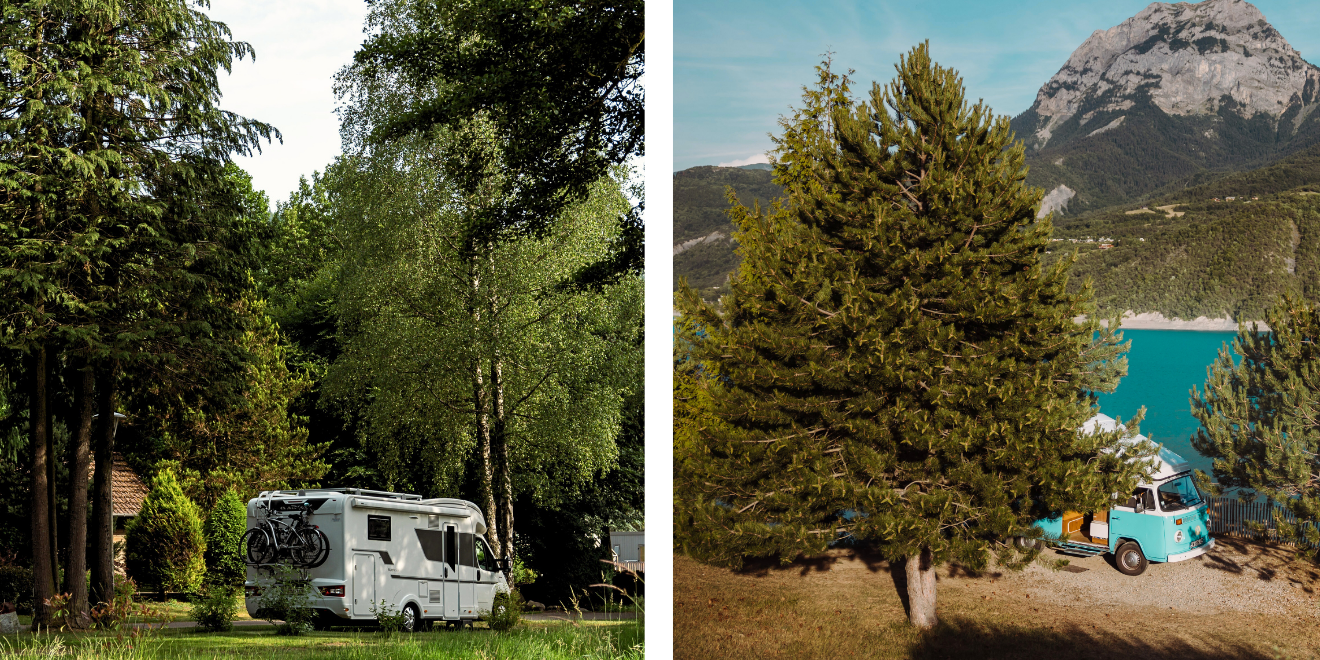
Are you planning a motorhome road trip for your next vacation? This home on wheels lets you enjoy a change of scenery, travel at your own pace, and share the journey with your family.
Freedom remains at the heart of the experience, but a few guidelines can make getting started easier: choose a suitable destination, plan a flexible itinerary, figure out where to stay overnight, organize your storage, and check the vehicle.
The goal isn’t to schedule every hour. Simple preparation mainly helps you avoid scrambling to find a place to stay at the last minute or discovering a malfunctioning piece of equipment once you’re on the road. By alternating between spontaneous stops and nights at a campground with RV sites, you maintain flexibility while planning the necessary breaks for water, waste disposal, and the comfort of the whole family.
Tip #1: Choose a destination that's suitable for a motorhome
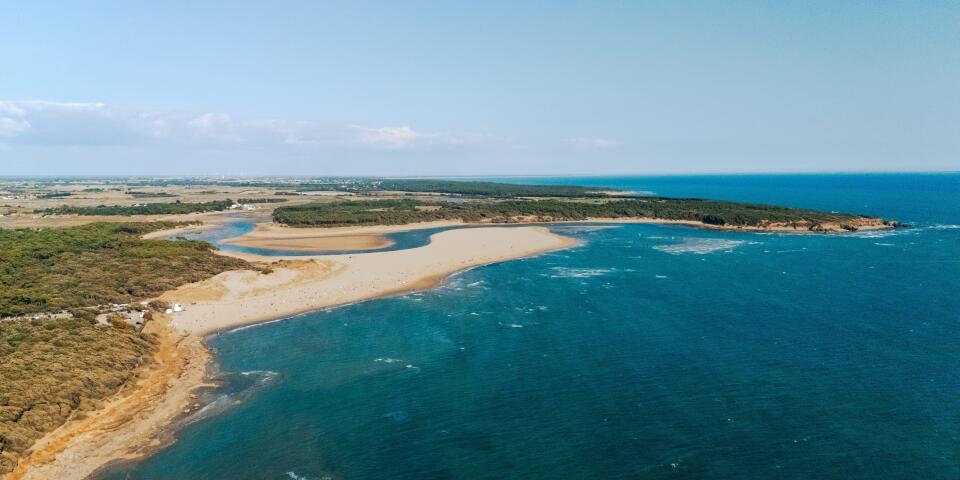
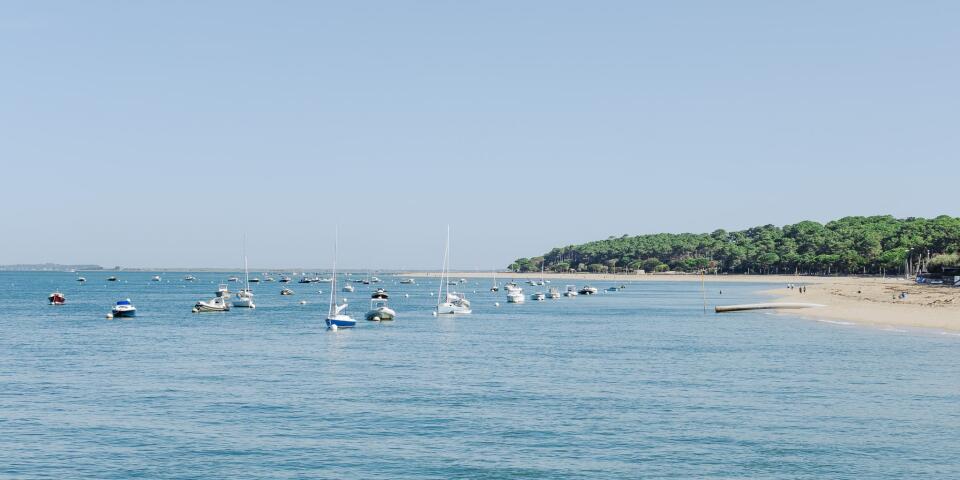
Sea: Departure for the Atlantic or the Mediterranean
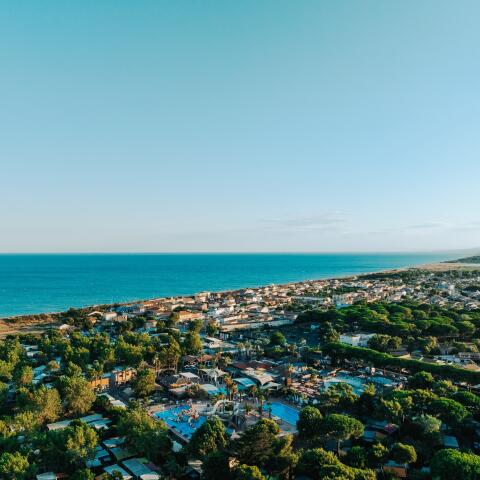
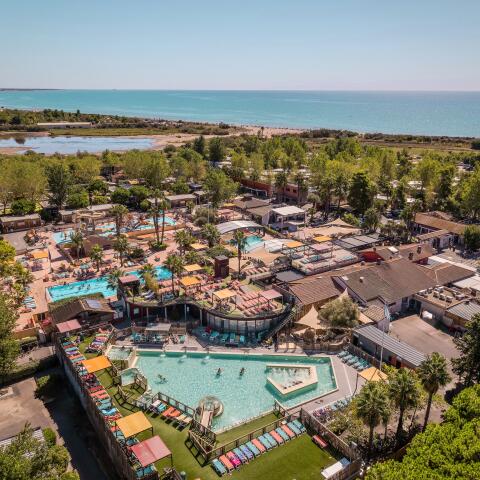
Want to breathe in the salty sea air and explore a series of stops along the water? On the western coast, a route can start in Saint-Jean-de-Monts before heading down toward the Arcachon Basin. The stops along the way combine beaches, water sports, and changing scenery—all without leaving the coastline. To find inspiration and plan your stops, explore the camping options along the Atlantic Coast.
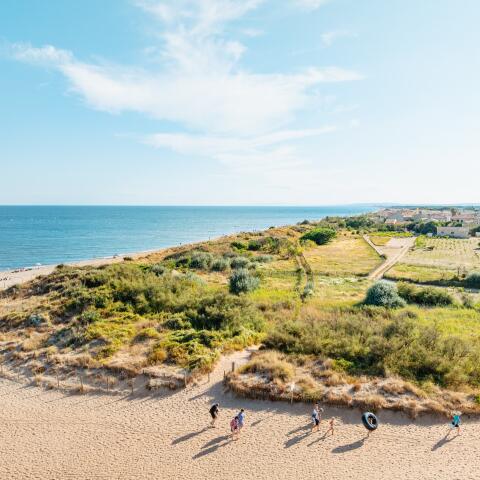
The Mediterranean offers a completely different atmosphere. From Saintes-Maries-de-la-Mer in the Camargue to Portiragnes, the coastline lends itself particularly well to an itinerary punctuated by beaches and Mediterranean landscapes. Before choosing between the two coasts, gather the family and listen to everyone’s preferences: swimming, water activities, wild landscapes, or dunes at sunset. This initial discussion will help you plan an itinerary that pleases everyone.
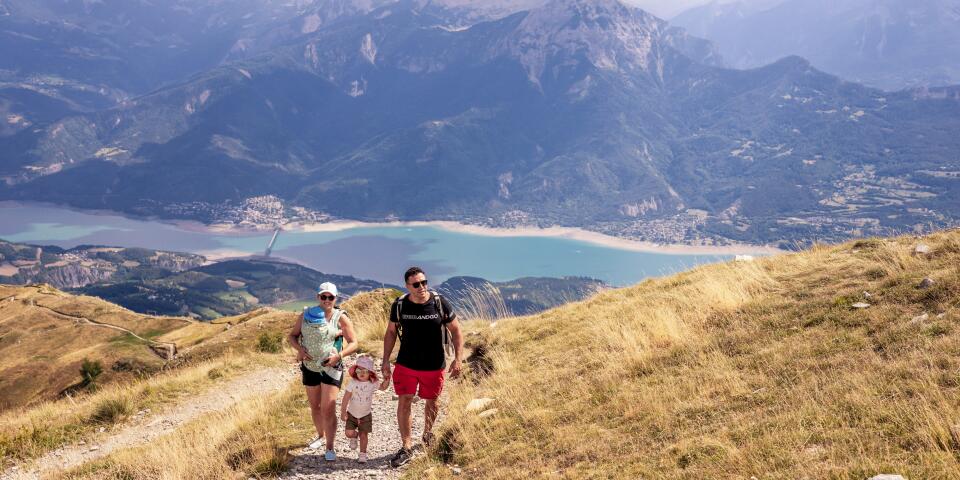
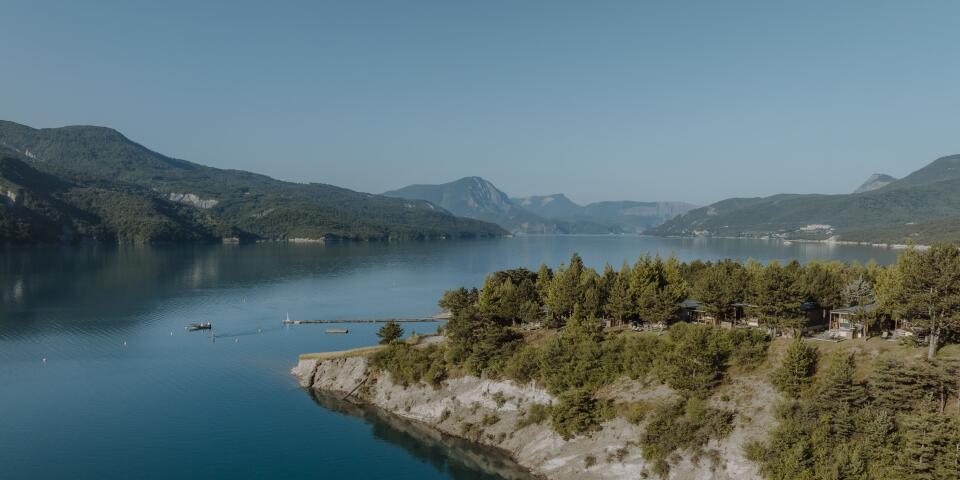
Mountains: Lakes, Forests, and Scenic Roads
A high-altitude road trip requires choosing stops that give equal emphasis to the journey itself and to activities. In the Alps, Lake Serre-Ponçon offers equipped beaches, stand-up paddleboarding, and canoeing. The kids can enjoy the water while the adults take the time to appreciate the scenery. In the Vosges, the route around Bussang winds through ancient forests and over mountain passes.
These two ideas let you tailor your trip to your family’s pace: a day by the lake, a hike, or a scenic drive before the next stop.
Check out camping options in the mountains when planning your overnight stays. On this type of trip, it’s best to keep your daily distances reasonable and avoid turning every day into a long drive.
The Countryside: Villages, Nature, and Culinary Delights
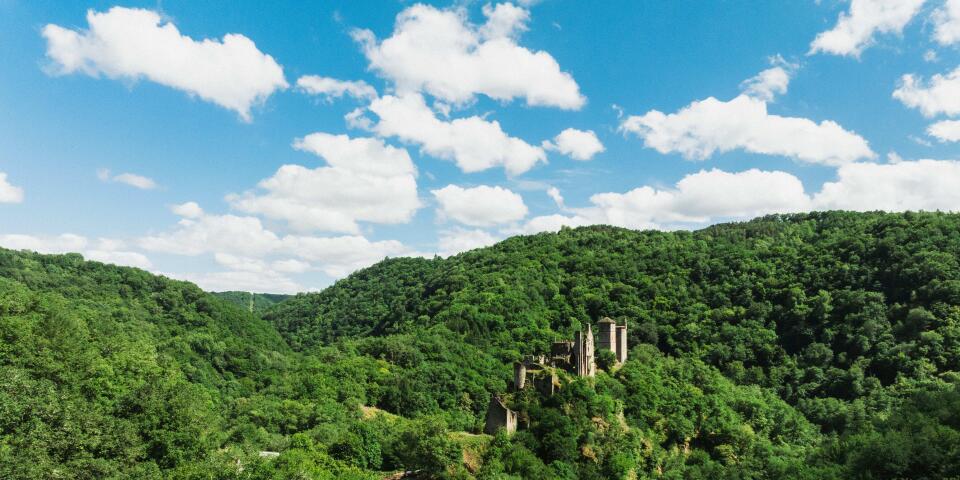
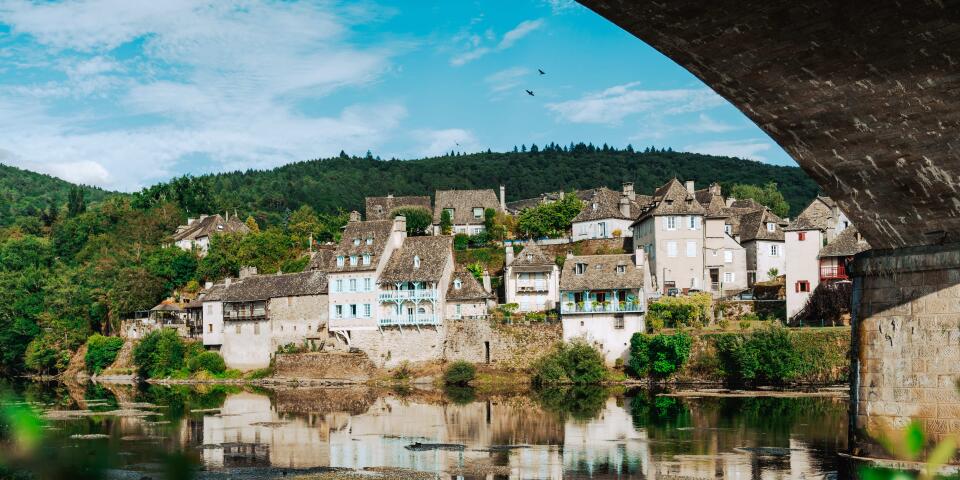
Would you rather slow down? A campground in the countryside fits naturally into an itinerary focused on villages, walks, and local specialties. In Provence, start in Volonne, near the Gorges du Verdon. A pedal boat or kayak trip lets you explore the gorges before continuing on to Saint-Rémy-de-Provence.
On this second leg of the trip, alternate family bike rides with gourmet breaks, including Cavaillon melon ice cream. In the Dordogne, the area around Payrac kicks off the route with prehistoric caves and hilltop medieval castles. This type of trip lends itself well to detours: plan a few key stops, then set aside a day to explore a village or try an activity you spot along the way.
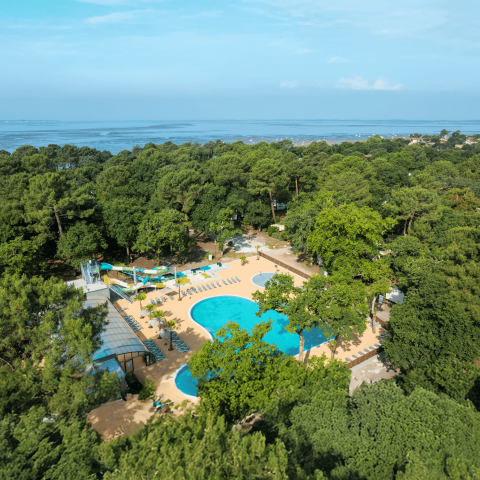
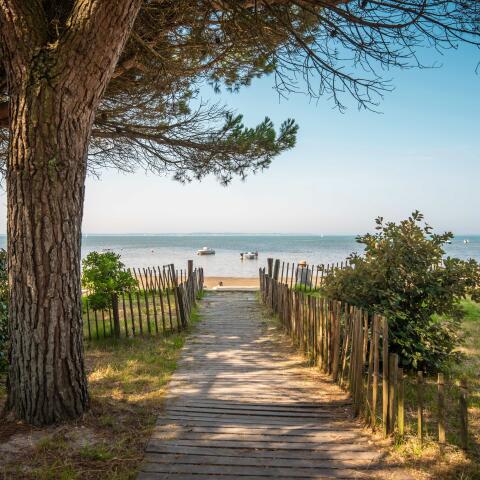
Where the ocean becomes the backdrop for your memories




Tip #2: Plan a flexible itinerary
Minimize the number of stops and the time spent on the road
Once you’ve chosen your destination, it’s time to plan your route. Start by selecting three to five stops at most. If you’re traveling with children, limit daily drives to two or three hours as much as possible. This approach prevents you from spending most of your vacation in the car and leaves time for swimming, hiking, visiting a village, or simply taking a real break.
Also plan for a more comfortable night at a campground every three or four days. This gives you a chance to shower, plug in, refill your water supply, and empty the wastewater tank. Finally, leave one day open in your schedule. You can use it to extend a stop you’re enjoying or to stop at a place you discovered along the way. Your itinerary provides direction; it shouldn’t become a constraint.
Finding the Balance Between Budget and Freedom
Two approaches to travel often come into play: planning everything in advance or setting off without a specific plan. The right balance is to outline the main points of your RV road trip while still leaving room for flexibility. By planning your main overnight stops in advance, you reduce the risk of spending a long time searching for a spot at the end of the day. You’ll also have a better handle on your budget.
Gas, tolls, campsite fees, and little extras can add up quickly. Note the major expenses before you leave, without planning every day down to the last detail. The ability to change course, stop near a beach, or spend an evening under the stars is an integral part of the journey. Your itinerary is a guide, not a constraint—give yourself the freedom to explore off the beaten path.
Testimonial from our vacationers: “With the RV, we were able to explore at our own pace, without any time constraints. This allowed us to truly enjoy each place and fully savor our family time.” Florian and Aurélia
Tip #3: Plan Ahead for Nights and Useful Services
Locate rest areas and campgrounds before departure
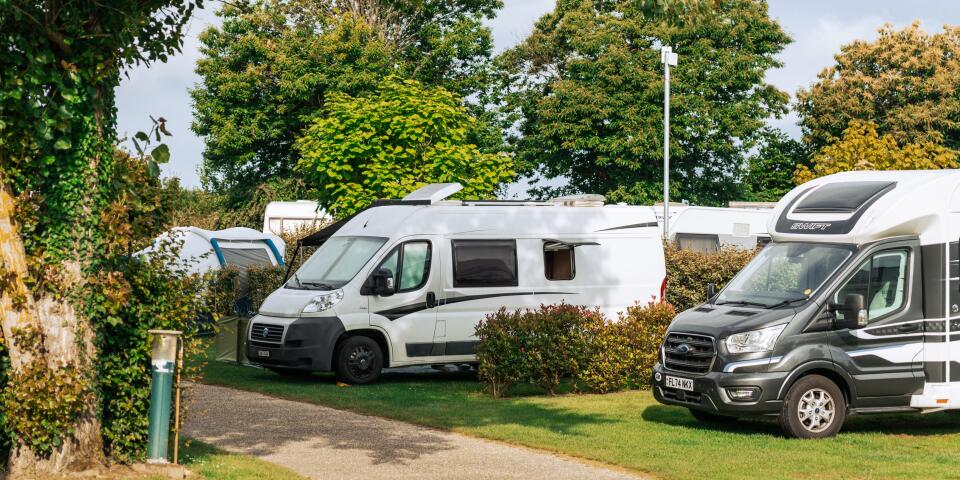
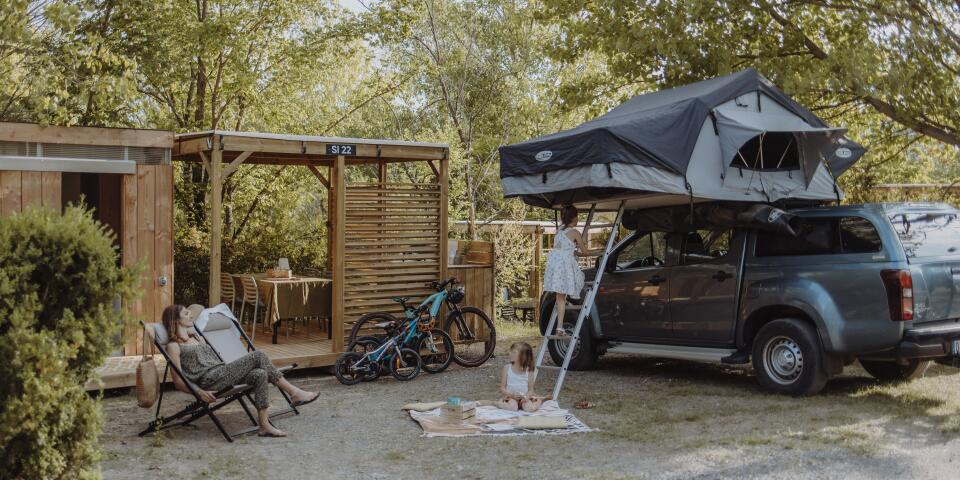
Where should you stay overnight during your trip? Your choice of location affects not only how restful your night will be, but also the day-to-day management of your vehicle. Before you leave, locate rest areas, authorized parking zones, and campgrounds with amenities. Every three or four days, plan a stop where you can refill your water supply and empty your wastewater tank.
Alternating between nights in the great outdoors and stops at campgrounds strikes a balance between independence and comfort. Showers, power hookups, and amenities offer a welcome break for the whole family. Depending on your desired level of comfort, compare renting a standard campsite with a campground that offers private restroom facilities on-site for your planned stops.
Tip: In highly touristic areas, book at least one out of every two stops. This gives you peace of mind while still allowing for flexibility the rest of the time.
Check local regulations before parking
Planning to park in a city or out in nature? Either way, check the local signage and regulations—they vary from one municipality to another. This way, you’ll avoid unpleasant surprises… and keep your mind at ease.
In busy areas, also plan an alternative spot near your destination. That way, you can easily find another spot if your intended location is full, inaccessible, or ultimately not to your liking.
Our tip: Download apps like Park4night, Campercontact, or Caramaps to find convenient and pleasant spots.
Tip #4: What to Pack for a Motorhome Road Trip
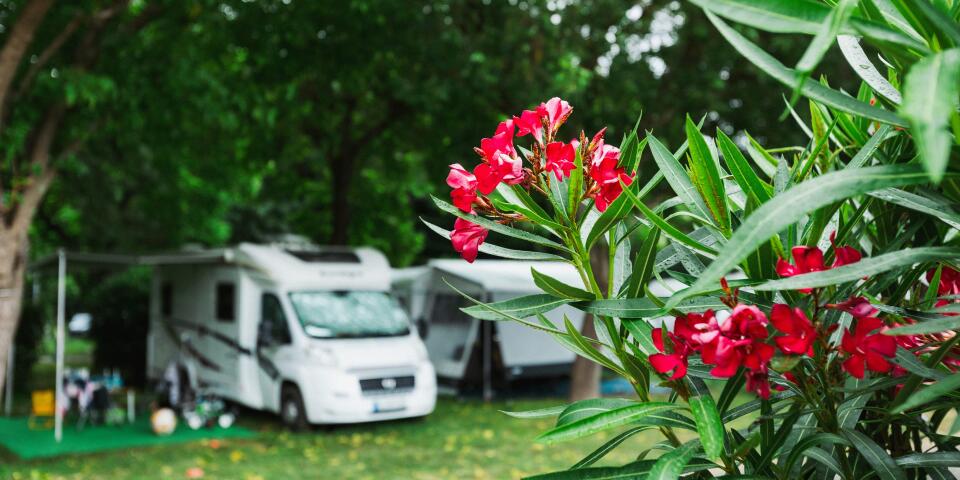

In a motorhome, every bit of storage space counts. Sort your belongings before you leave and assign a specific spot for each item. You’ll save time every day and keep clothes, books, and gear from cluttering up the living space. The fewer unnecessary items you bring, the easier it will be to move around inside the RV.
To pack without forgetting anything, use a camping checklist. Be sure to bring:
- lightweight, unbreakable dishes;
- a hose with attachments for water;
- an extension cord and a power strip;
- airtight containers;
- toiletries and towels;
- a first-aid kit;
- leveling blocks;
- gloves and a small toolbox.
Also keep the following essential documents within easy reach:
- your driver’s license;
- insurance;
- vehicle registration;
- identification documents.
Our tip: The golden rule for motorhomes is to place heavy items at the bottom and distribute the weight evenly. So, spread your luggage out across the entire interior of the vehicle.
Also, be mindful of your motorhome’s payload (the gross vehicle weight rating minus the vehicle’s weight).
From less-traveled paths to the most beautiful discoveries





Tip #5: Things to Check Before Setting Out in a Motorhome

Mechanical Inspection
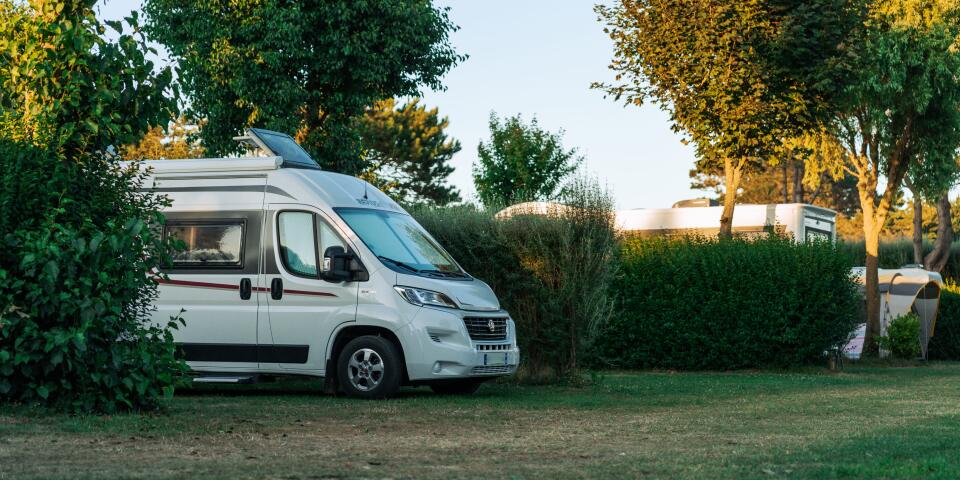
Before a long trip, it’s essential to inspect your recreational vehicle. Start by checking the main components:
- Fluid levels: engine oil, windshield washer fluid, power steering fluid, coolant, brake fluid,
- Tire pressure and condition according to the manufacturer’s manual,
- Seals,
- Brake and light checks (headlights, turn signals, reverse lights, etc.),
- The condition of the windshield wipers
- No leaks in the fuel tank.
Our tip: Before setting out, perform a complete “as-before-departure” check: refrigerator, hotplates, lights, outlets, heater, and gas systems, following the manufacturer’s recommendations.

Test the equipment as if it were a real stage
Is the mechanical setup ready? Now move on to the interior equipment. Before you leave, remember to:
- plug the vehicle into a 220 V outlet to charge the batteries;
- check for leaks around the openings;
- check the condition of the gas cylinders;
- test the refrigerator, stovetop, lights, outlets, heater, and electronic devices;
- fill the fresh water tank;
- Close the drain valve and empty the wastewater tank;
- inspect the fastenings on furniture and beds;
- check that the cabinets close properly.
The easiest way is to conduct a thorough test run as if you were already on the road. This will allow you to spot any potential problems before setting out. For gas systems and other equipment, always follow the manufacturer’s recommendations.
Tip #6: Travel Safely with Children

Traveling with children requires a few extra precautions. Pack a complete first-aid kit suitable for everyday minor injuries. For added peace of mind, equip your RV with a smoke detector and, if the model allows it, a detector designed for gas systems.
Choosing where to stay is just as important. Opt for well-lit, busy areas, and check reviews left by other travelers before setting up camp. If the spot doesn’t feel safe, move on to the backup option you planned during your preparations. These few precautions will help you end the day with greater peace of mind, without sacrificing the flexibility of your trip.
Tip #7: Be flexible and ready to improvise

Why choose a motorhome vacation? For the freedom to change your plans. So leave some room for the unexpected in what is often a very organized daily routine. A village you spot along the way, a landscape worth stopping to admire, or a stop that the whole family wants to linger at can take your trip in a different direction.
This flexibility also means knowing how to adapt your day. If blue skies give way to a storm, swap out your planned activity for board games or a quiet moment on board. A motorhome road trip isn’t just about the number of kilometers traveled. It’s also built around these breaks, when everyone can slow down and enjoy the journey at their own pace.
For those looking to discover a destination well-suited to this type of trip, the Hérault offers a beautiful variety of landscapes, from the coast to villages and natural areas. Check out our tips for planning your road trip in the Hérault
Planning a road trip in a motorhome involves choosing a suitable destination, defining a flexible itinerary, identifying overnight parking areas, checking the vehicle's condition, and preparing essential equipment. Simple planning allows for a stress-free journey while preserving the freedom inherent in motorhome travel.
It is advisable to allow between one and two weeks to organize a road trip in a motorhome. This timeframe allows you to plan your itinerary, anticipate key stops, and prepare your vehicle and equipment without stress, especially when traveling with family.
It's not mandatory to book all areas in advance, but securing certain stops is recommended, especially in tourist areas. Booking campsites or service areas on an ad-hoc basis provides more peace of mind while still allowing for spontaneity.
The budget for a road trip in a campervan depends on the duration, the distance traveled, and the desired level of comfort. You need to budget for fuel, tolls, campsites, food, and activities, with a contingency for unexpected expenses.
During a road trip in a motorhome, you can sleep at service areas, in equipped campsites, or in designated areas in the countryside. The choice depends on your desire for comfort, tranquility, and respect for local regulations.
Yes, travelling in a motorhome with young children is absolutely possible. By anticipating safety, comfort and break times, the journey becomes a gentle family adventure, paced and perfectly adapted to the needs of the little ones.
About the Author

Gwénaëlle
Brand Content Manager at Sunêlia • Destination Explorer
Passionate about travel and always eager to discover new places, Gwénaëlle explores Sunêlia’s destinations to find the experiences that make every stay unique. From must-visit spots and getaways to family activities and local treasures, she shares her tips and inspiration to help you plan a vacation full of discoveries and memories.