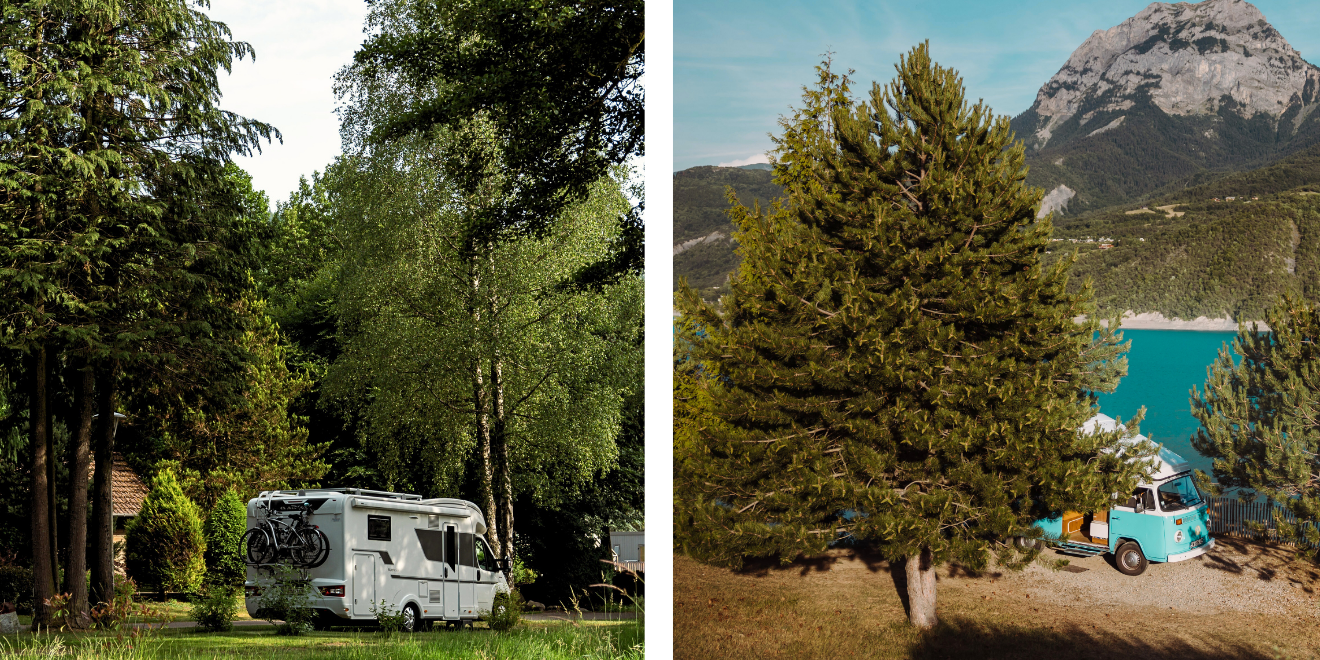
Are you planning a road trip in a campervan for your next vacation?
What a great idea! Increasingly popular with families, holidays in this house on wheels have everything to please: freedom, flexibility and shared moments.
Ready to hit the road? Buckle up, we're revealing 7 essential tips to avoid getting lost along the way. Planning a road trip in a motorhome means choosing a suitable destination, planning a flexible itinerary, identifying parking areas, checking the vehicle's condition, and preparing essential equipment. With simple organization, you can travel with peace of mind while maintaining the freedom inherent in motorhome holidays.
The 7 key tips to remember:
Tip #1: Select your dream destination
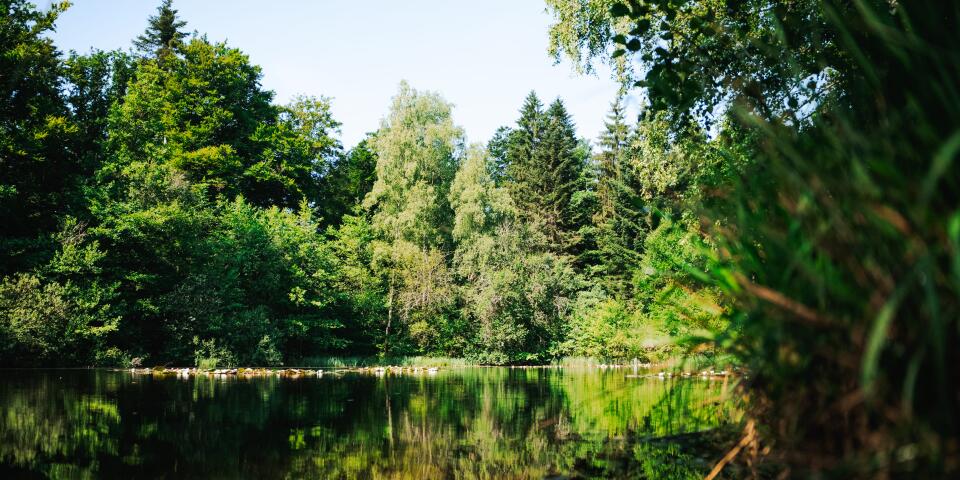
Where to go on a road trip according to your preferences?
Holiday mode activated… and with it this essential question: where to go on a road trip with your motorhome in France?
Before the big departure, take the time to gather the whole family to listen to everyone's wishes. After all, these holidays are meant to be experienced together, without sulking in the back of the vehicle.
Good news: France is full of destinations suitable for motorhomes, between sea, mountains and countryside.
Key points to remember when choosing your destination:
- Sea : easy stages, water sports, iodine-rich air.
- Mountains : scenic roads, lakes, family hikes.
- Countryside : villages, gentle nature, gourmet breaks.
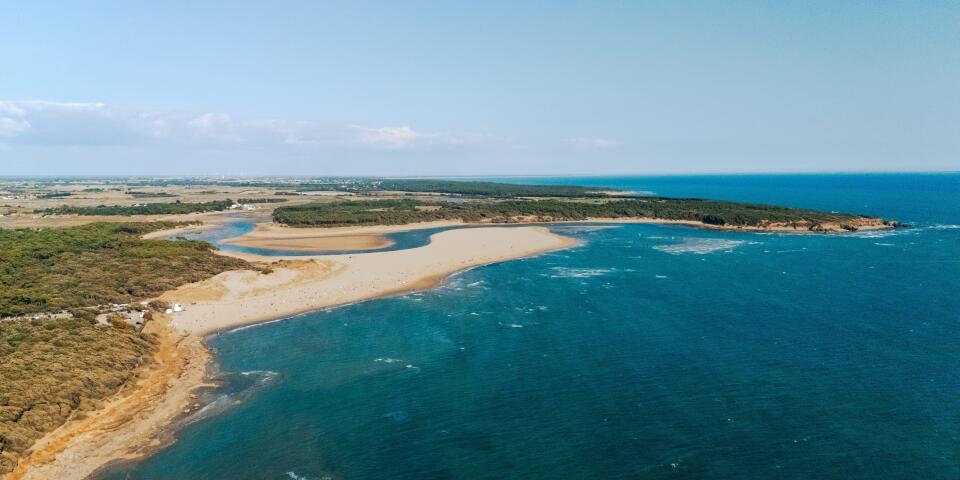
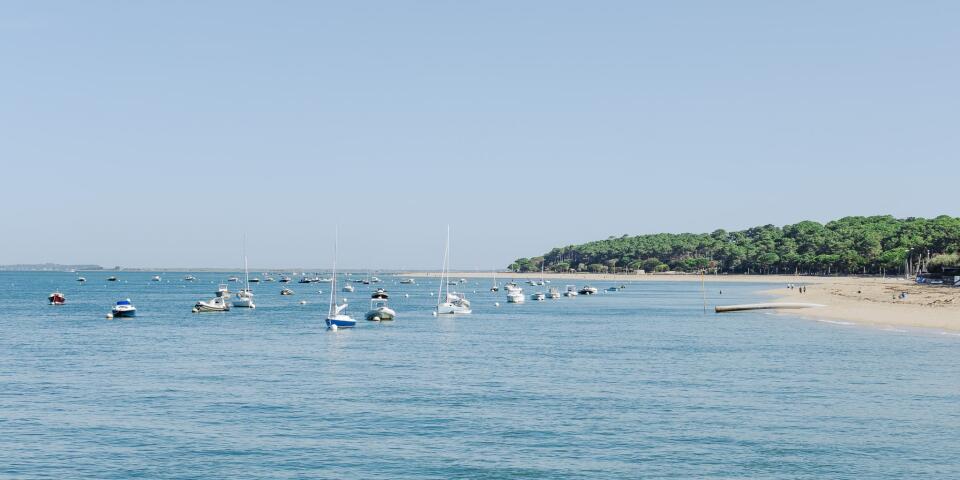
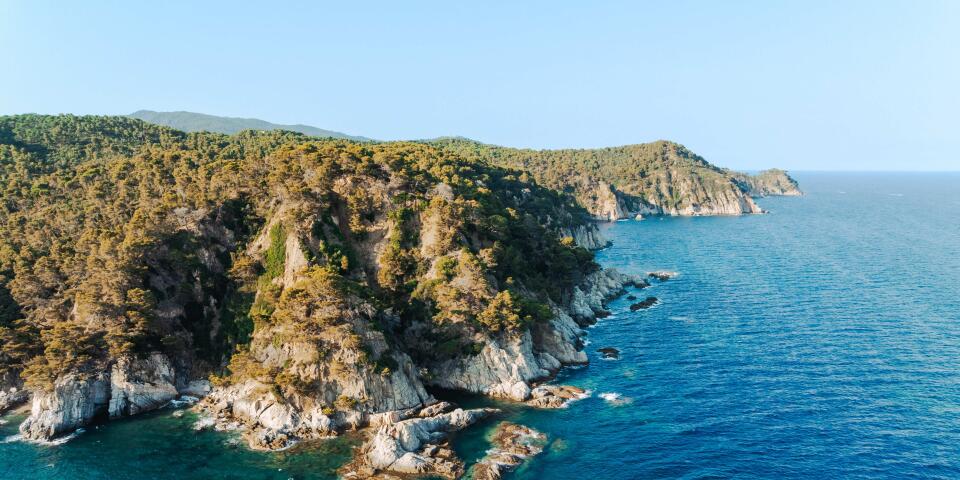
At the sea: wild Atlantic coast VS Mediterranean
Looking for a family seaside holiday? The Atlantic and the Mediterranean offer unforgettable experiences, each in its own way.
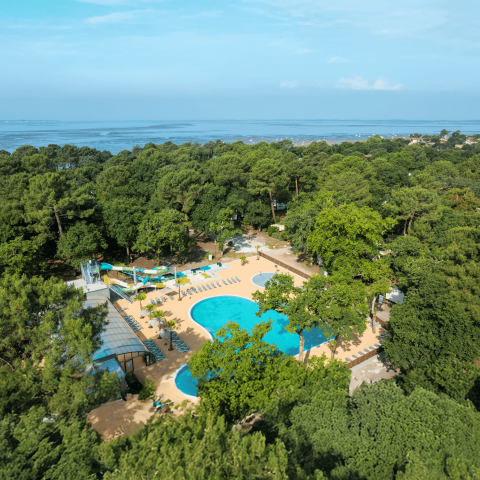
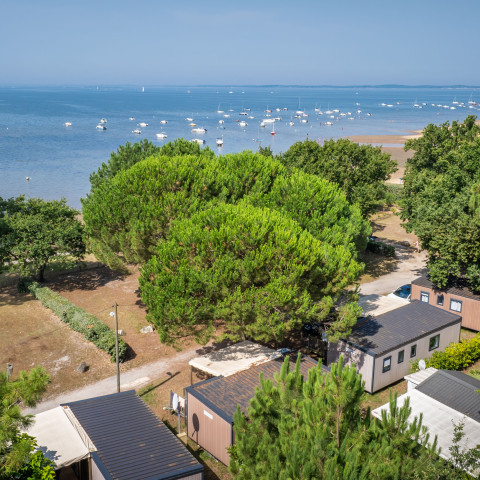
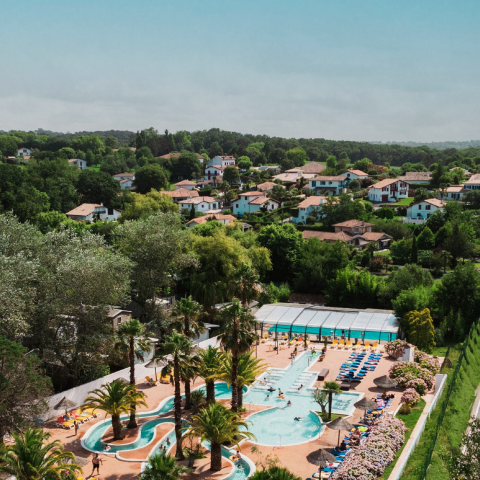
On the Atlantic side , start in Saint-Jean-de-Monts , then head towards the Arcachon Basin to breathe in the iodine air and change scenery.
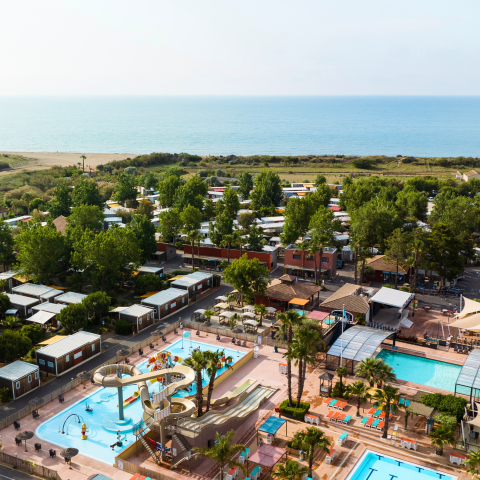
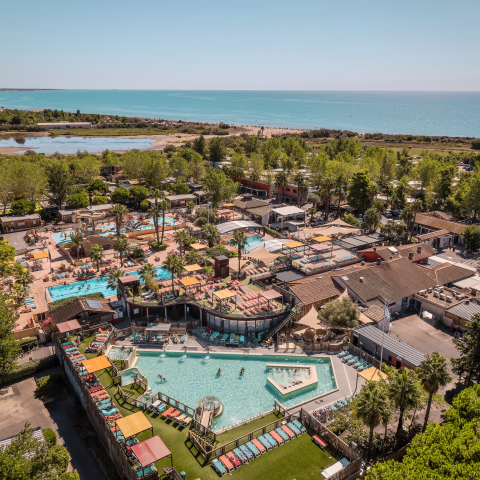
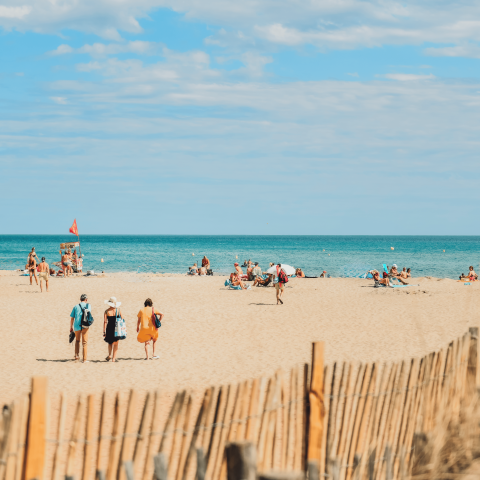
On the Mediterranean side , start in Saintes-Maries-de-la-Mer , in the heart of the Camargue, then finish in Portiragnes , when the sun gently descends on the dunes.
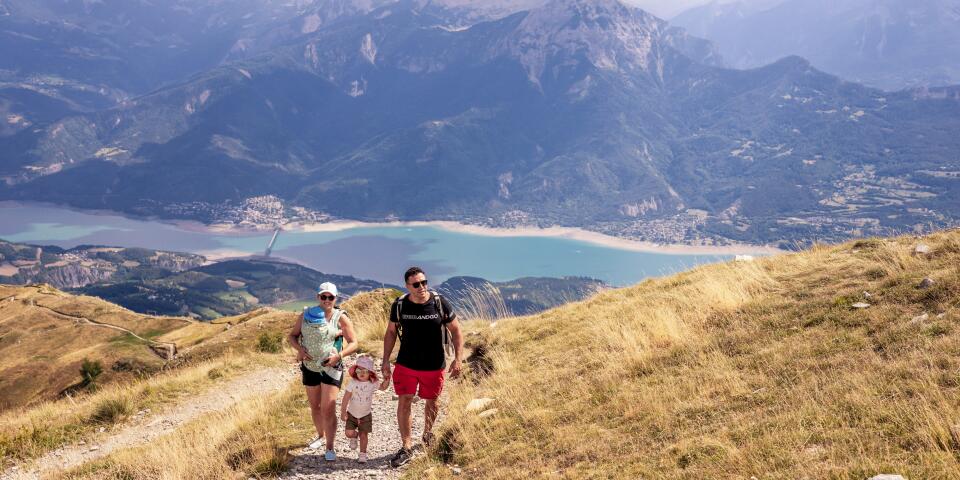
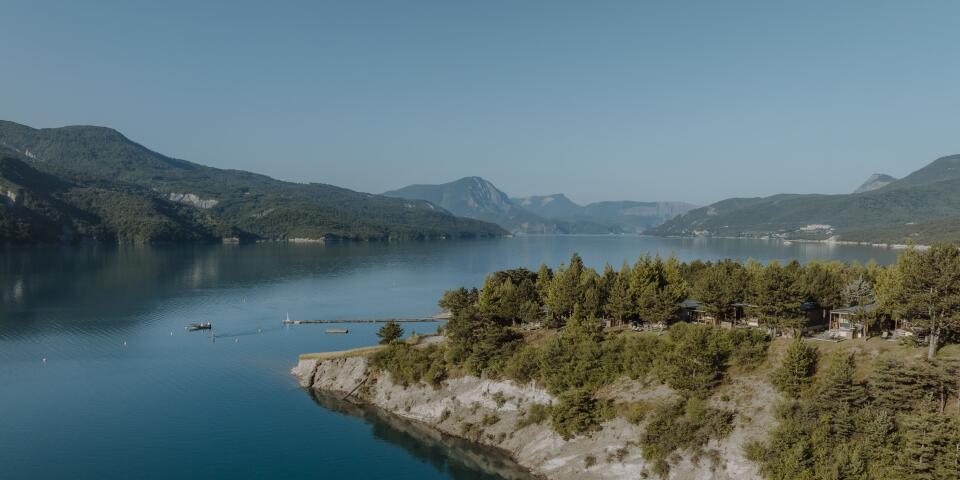
In the mountains: on the way to the most beautiful peaks
Have you ever dreamed of traveling along winding mountain roads , in search of breathtaking landscapes?
In the Alps , your journey begins with the incredible Serre-Ponçon lake . With its equipped beaches, paddleboarding or canoeing, the children have a blast.
In the Vosges Mountains , the route around Bussang remains our absolute favorite. Between ancient forests and mountain passes, this region is brimming with natural treasures.

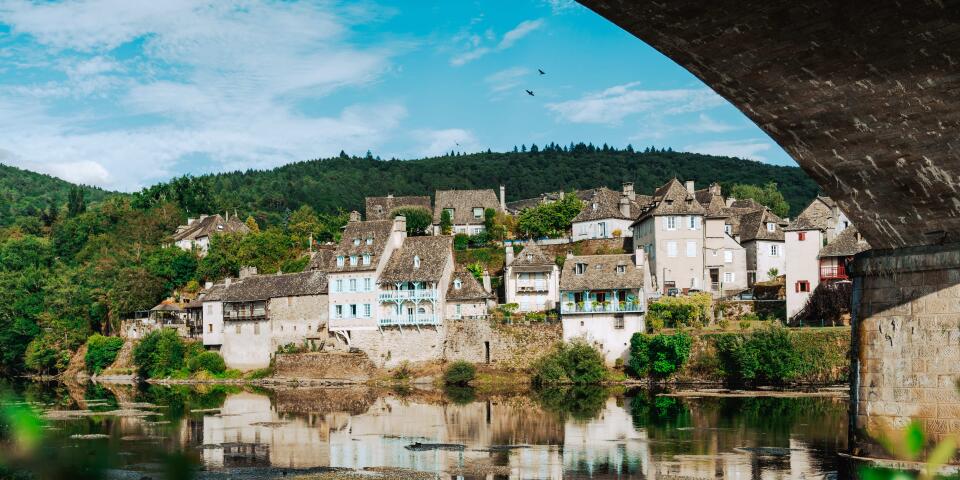
In the countryside: the charm of the hinterland
Ready to trade the city for a trip to the countryside ?
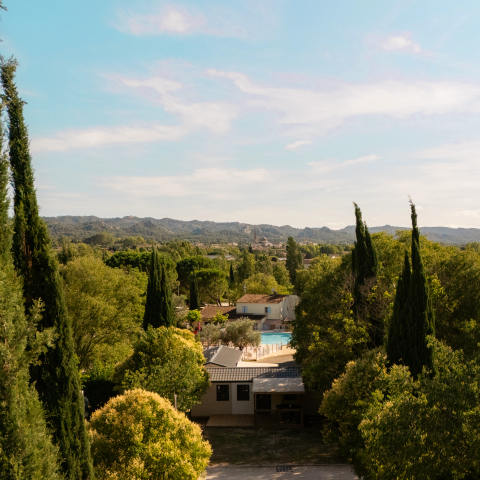
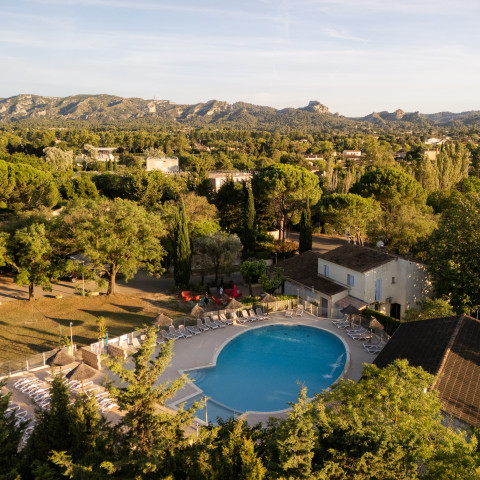
In Provence , begin your journey in Volonne, a charming little village located a stone's throw from the majestic Verdon Gorge . Here, you'll have the opportunity to take a pedal boat or kayak tour to discover these spectacular gorges.
Continue on to Saint-Rémy-de-Provence , where history and nature blend harmoniously. Family bike rides are interspersed with gourmet breaks to savor local specialties. Our favorite? Cavaillon melon ice cream. A delight for the taste buds.
In the Dordogne , head to the area near Payrac to explore this region where every street corner seems to have stepped out of a history book. Little adventurers will be thrilled to visit the prehistoric caves and the medieval castles perched high above the ground.
Where the ocean becomes the backdrop for your memories


Tip #2: Plan your motorhome itinerary
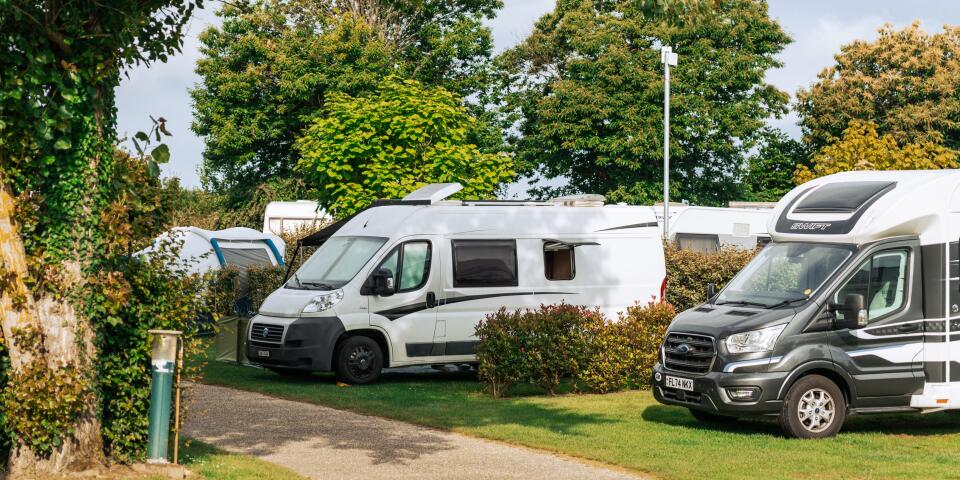
Has the whole family agreed on the holiday destination?
Now for our favorite part: planning your campervan route. Where to stop? Which city to visit? A wide range of choices awaits you.
A simple method for building your route:
- Choose a maximum of 3 to 5 steps .
- Limit travel to 2–3 hours per day with children.
- Plan for a “comfortable” night (camping) every 3–4 days.
- Keep one day free for improvisation.
At this stage, two schools of thought clash: total spontaneity or highly structured planning.
A successful road trip often hinges on striking the right balance between organization and freedom. By outlining the main stages of your trip, you can avoid unexpected issues related to accommodations… while keeping a close eye on your budget.
Fuel, tolls, parking, small extras: the bill can quickly add up if nothing is anticipated.
The beauty of a road trip in a campervan in France or Europe lies in changing course at the last minute, stopping at a secluded beach , or spending an evening under the stars . Remember, your roadmap is a guide, not a set of rules. So, give yourself the freedom to explore off the beaten track.
Testimonial from our vacationers: "With the campervan, we were able to explore at our own pace, without time constraints. This allowed us to truly enjoy each place, fully savoring moments as a family." Florian and Aurélia
Tip #3: Where to sleep during a road trip in a campervan?
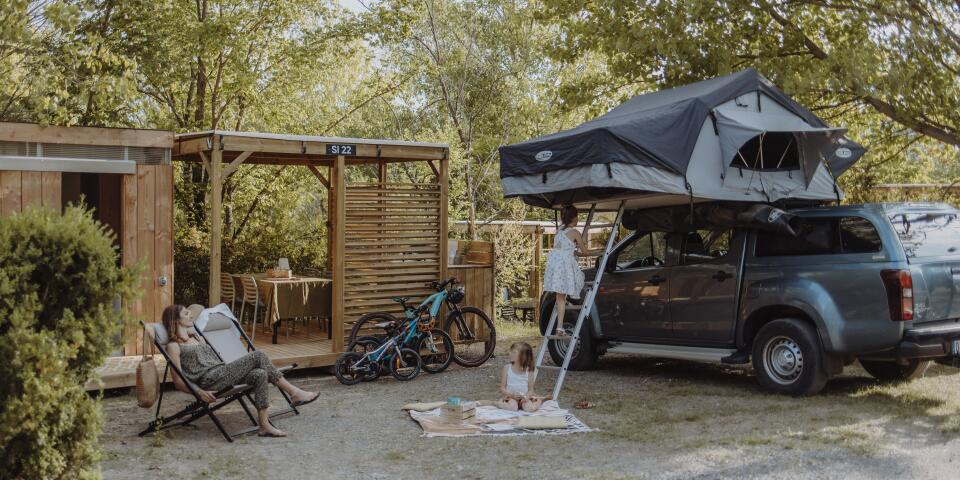
Do you prefer to sleep freely facing the sea or in a campsite near a lake ?
To ensure peaceful nights during your motorhome road trip, choosing the right campsite is essential. It's not just about comfort, but also practicality.
Locate service areas, authorized parking zones, and campsites equipped for filling up with water and emptying wastewater in advance . A less glamorous aspect, certainly, but essential every 3 to 4 days.
Alternating nights in the great outdoors with stops at campsites offers real comfort. Showers, electrical hookups, services… and a welcome break for the whole family.
Tip : In very touristy areas, book at least one out of every two stops. This will give you peace of mind while still leaving you free to explore the rest of your trip.
Whether you're planning to park in a city or in the countryside , be sure to check the local signs and regulations: they vary from one municipality to another. This will help you avoid unpleasant surprises and give you peace of mind.
Our advice: download apps like Park4night, Campercontact, or Caramaps to find convenient and friendly places.
Tip #4: What equipment should you bring for a road trip in a campervan?
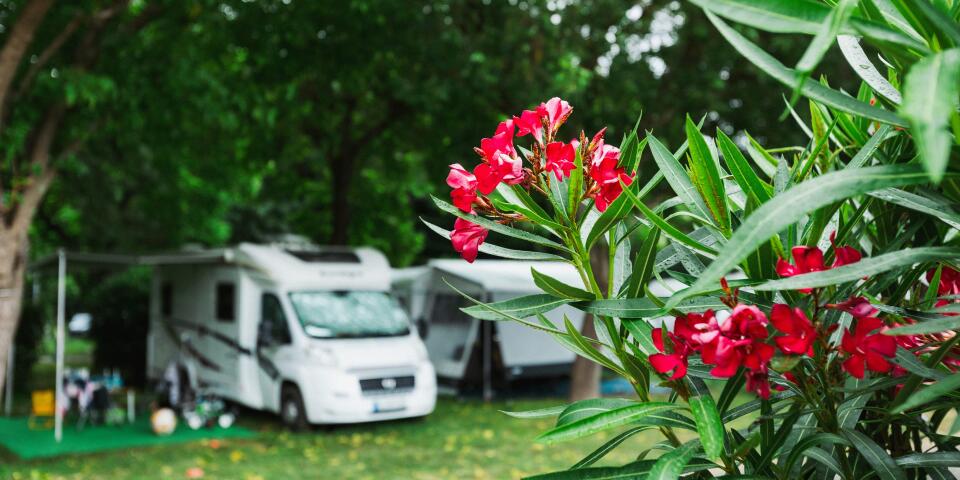

To become the undisputed master of Tetris
In a motorhome , every bit of storage counts. To travel light (and breathe easier on board), sort through your belongings before you leave and assign a fixed place to each item: you'll save time... and enjoy peace of mind every day.
However, the less unnecessary stuff you bring, the easier it will be for everyone to live together inside. Furthermore, each item needs its own designated place in this space, which is less spacious than a mobile home. Otherwise, you're likely to hear, more than once, "Mom, where's my book about animals?" "Dad, I don't know where my socks are?"
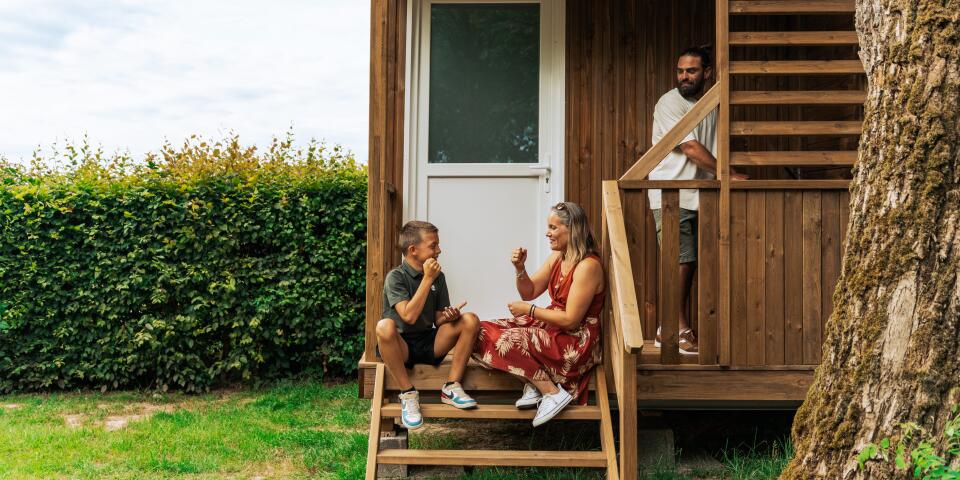

Checklist: Essential equipment for a family road trip
Are you wondering what to pack with you?
Here is a checklist of essentials to pack for a stress-free trip:
- Lightweight and unbreakable tableware
- Hose and water nozzles
- Extension cord + power strip
- Airtight food containers
- Toilet paper + baby wipes
- Toiletry bag + towels
- First aid kit
- Leveling blocks + gloves
- Toolbox (minimum)
- Documents: driver's license, insurance, vehicle registration certificate, ID
Our advice: the golden rule for motorhomes is to place heavy items at the bottom and distribute the weight evenly. So, pack your luggage across the entire floor of the vehicle.
Also pay attention to the payload of your motorhome (the total authorized weight minus the weight of the vehicle).
From less-traveled paths to the most beautiful discoveries



Tip #5: What checks should you do before setting off in a motorhome?

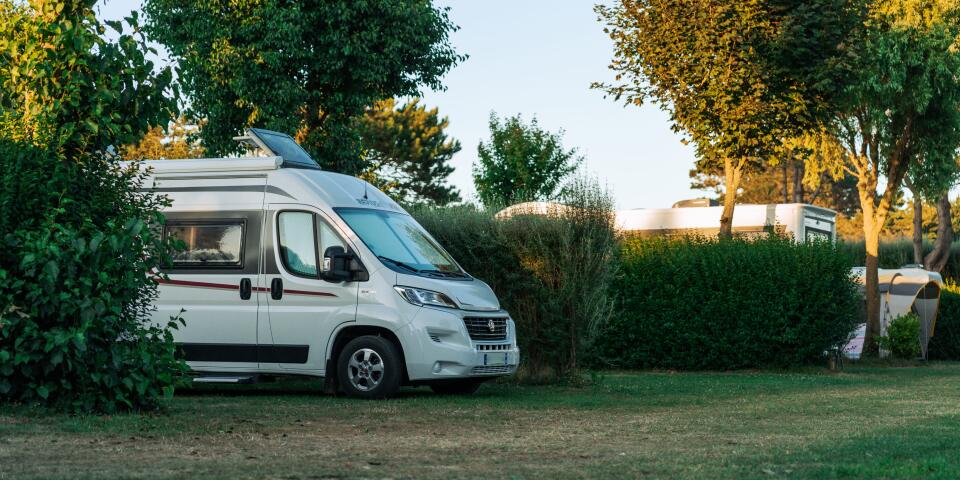
Mechanical inspection
Are you familiar with the expression "He who travels far spares his mount"?
As with any long journey, checking your recreational vehicle is an essential step. As an added bonus, a well-maintained motorhome consumes less fuel, thus reducing your fuel costs.
To set off with peace of mind and avoid breakdowns on the motorway , check certain mechanical points:
- Fluid levels: engine oil, windshield washer fluid, power steering fluid, coolant, brake fluid
- Tire pressure and condition according to the manufacturer's instructions.
- The seals,
- Control of the brakes and lights (headlights, indicators, reversing lights…),
- The good condition of the windshield wipers
- No leak in the fuel tank.
Our advice: before leaving, do a complete test “as at the stopover”: fridge, hobs, lights, sockets, heating and gas installations, according to the manufacturer’s recommendations.

Equipment check
Is the mechanics OK? Now check that all your internal equipment is working perfectly:
Plug your vehicle into a 220V outlet to ensure the batteries charge properly.
- Check for leaks around openings.
- Check the gas cylinders,
- Test the internal electrical systems (fridge, cooktop, etc.), including lights, outlets, heating, and electronic devices.
- Water tank: fill the tank with clean water, close the drain valve and drain the wastewater.
Inspect the fixings of interior equipment (furniture, beds, etc.) and the closing of cupboards.
Tip #6: Travel safely with children

Traveling in a campervan with children requires a few extra precautions. Start by packing a complete first-aid kit , suitable for minor everyday injuries.
For added peace of mind, equip yourself with smoke detectors and, if your model allows it, with a detector suitable for gas installations.
Also, consider parking in well-lit and busy areas. Finally, trust your instincts and check reviews from other travelers before settling in for the night. Traveling prepared also means traveling with peace of mind.
Planning a road trip in a motorhome involves choosing a suitable destination, defining a flexible itinerary, identifying overnight parking areas, checking the vehicle's condition, and preparing essential equipment. Simple planning allows for a stress-free journey while preserving the freedom inherent in motorhome travel.
It is advisable to allow between one and two weeks to organize a road trip in a motorhome. This timeframe allows you to plan your itinerary, anticipate key stops, and prepare your vehicle and equipment without stress, especially when traveling with family.
It's not mandatory to book all areas in advance, but securing certain stops is recommended, especially in tourist areas. Booking campsites or service areas on an ad-hoc basis provides more peace of mind while still allowing for spontaneity.
The budget for a road trip in a campervan depends on the duration, the distance traveled, and the desired level of comfort. You need to budget for fuel, tolls, campsites, food, and activities, with a contingency for unexpected expenses.
During a road trip in a motorhome, you can sleep at service areas, in equipped campsites, or in designated areas in the countryside. The choice depends on your desire for comfort, tranquility, and respect for local regulations.
Yes, travelling in a motorhome with young children is absolutely possible. By anticipating safety, comfort and break times, the journey becomes a gentle family adventure, paced and perfectly adapted to the needs of the little ones.