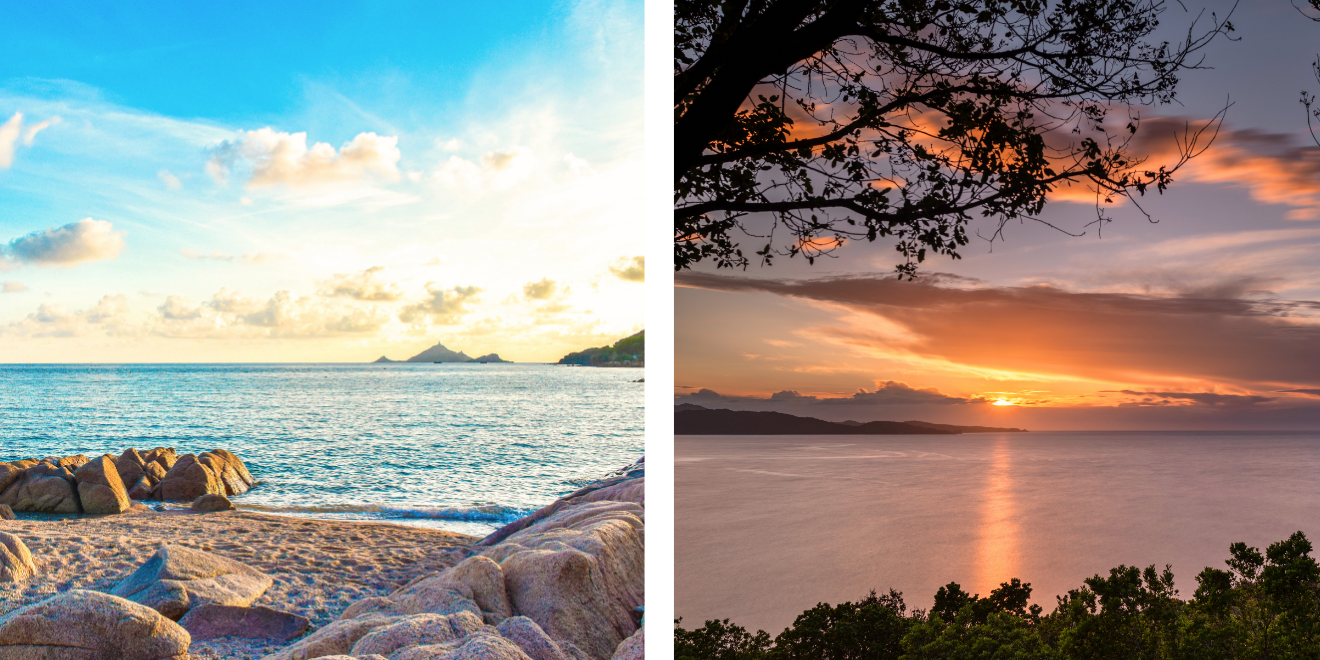
Towel slung over your shoulder, sunglasses perched on your nose: the Mediterranean is waiting just for you. The lapping of the water mingles with the song of the cicadas, the scent of the maquis wafts through the air, and, behind the pine trees, a turquoise clearing suddenly appears. Just a few more steps, and sand replaces the earth beneath your feet.
On the Isle of Beauty, however, every shoreline tells a different story. So, which Corsican beach should you choose for your vacation? From Palombaggia to Saleccia, via Rondinara, Santa Giulia, or the small coves of Bonifacio, set out to discover the most beautiful shores from one of our campsites in Corsica.
What are the most beautiful beaches in Corsica?
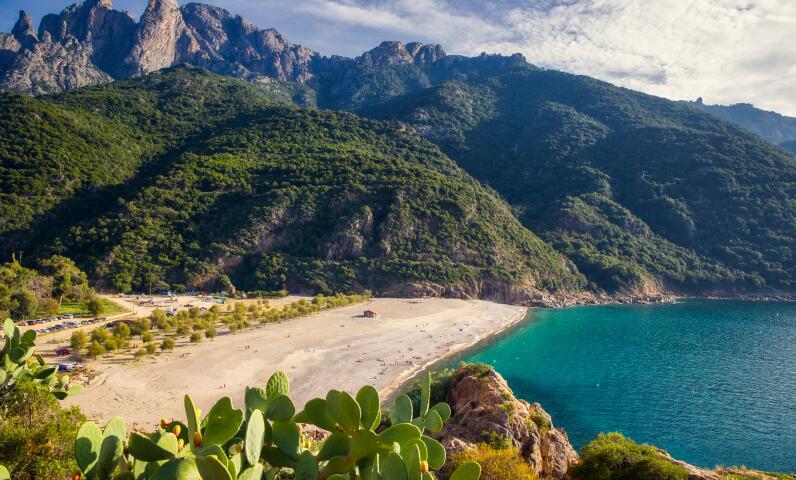
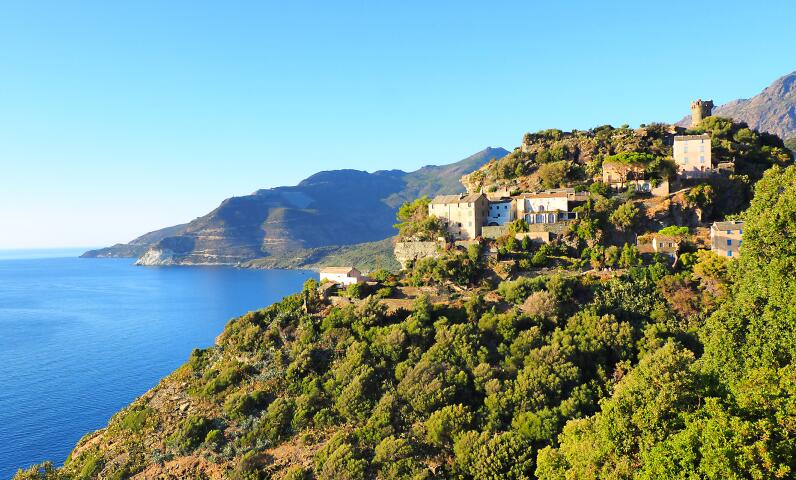
Crystal-clear water, white sand, umbrella pines, and wind-sculpted rocks: staying at a campground in southern Corsica brings you closer to some of the island’s most iconic seaside landscapes. Here, the most beautiful beach is simply the one that suits your mood for the day. Relaxing under the pine trees, paddleboarding on calm waters, or taking a short walk before your first dip: choose your setting.
Buckets, shovels, floats, goggles, towels, water bottles… With kids, a day at the beach can sometimes feel like a mini-expedition. So you might as well choose a shoreline that truly matches your family’s pace.
Discover the wild beaches where Corsica reveals a different side. Head north to areas where the maquis seems to be reclaiming its territory. Here, reaching the sea is part of the adventure. A trail, a boat ride, or a few kilometers on foot may separate your car from your first dip. But when the blue water finally comes into view, the thrill is all the greater.
Our campgrounds near Corsica's most beautiful beaches
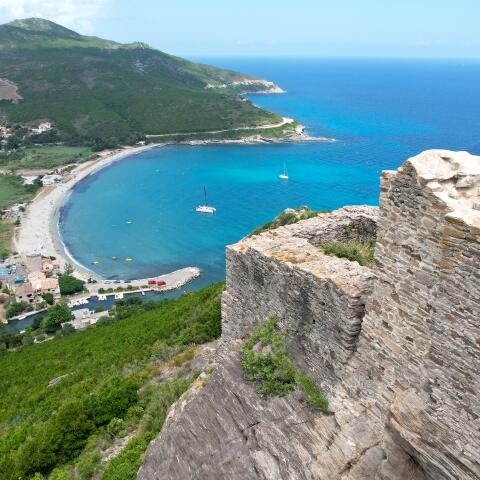
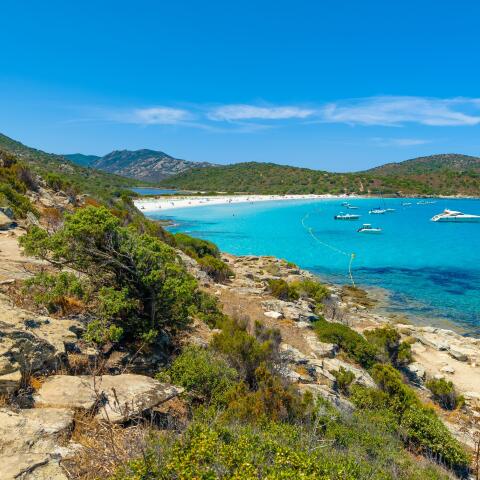
Palombaggia and Santa Giulia: Corsica's Lagoon Side
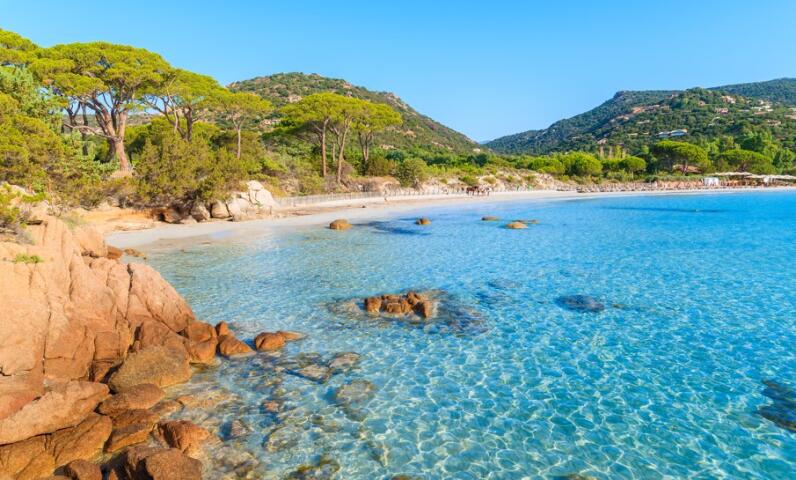
Palombaggia: Feet in a Postcard
You arrive early, just as the beach is gently coming to life. A few towels appear under the umbrella pines, the sea is still calm, and the Cerbicale Islands are visible on the horizon. In Palombaggia, near Porto-Vecchio, the setting seems almost too perfect to be real.
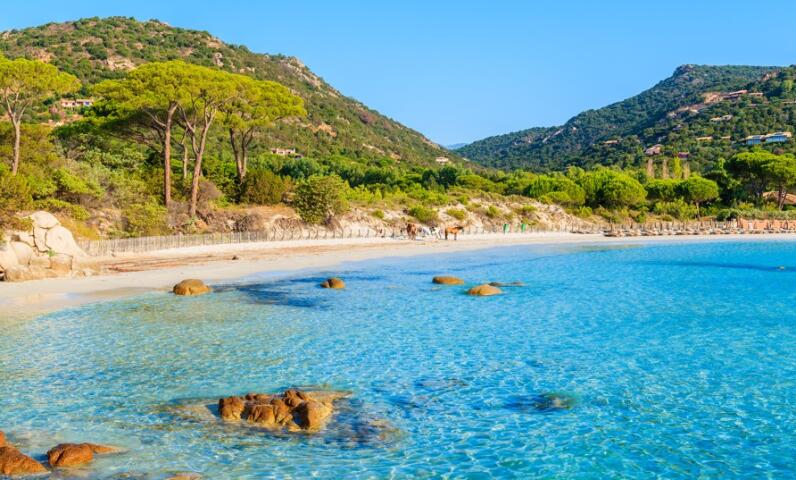
Near our seaside campgrounds, the light-colored sand meets crystal-clear water in shades of blue and green. On either side, the pink porphyry rocks add warmth to the landscape, while the pine trees provide that instantly recognizable Mediterranean touch.
But Palombaggia deserves more than just a photo. Step into the water, walk a few meters out, and turn around. From the sea, the beach reveals its full beauty: the blue of the water, the luminous sand, and the vegetation form three bands of color that are almost perfectly superimposed.
Our tip: Palombaggia is one of Corsica’s most famous beaches. To fully enjoy its atmosphere, visit during the quietest hours of the day and take the time to venture away from the main access points.
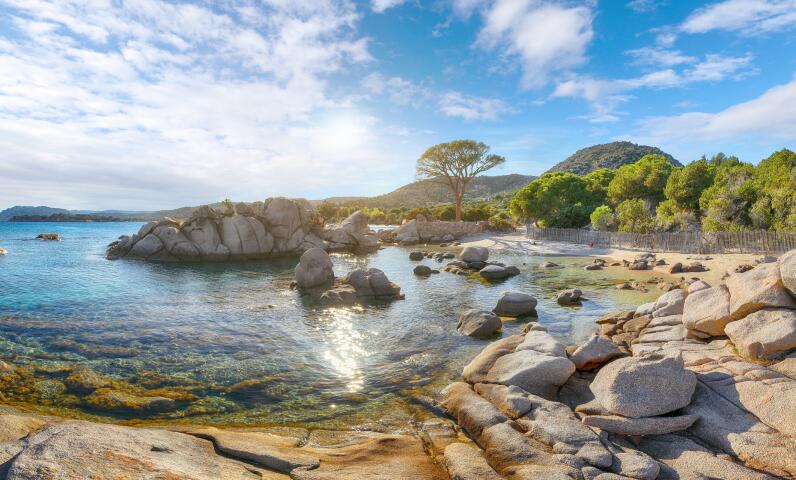
Santa Giulia, a huge natural pool
A few kilometers further south, the scenery changes. In Santa Giulia, the Mediterranean resembles a lagoon. The bay forms a long curve of light-colored sand bordered by shallow water. The hues shift from clear to turquoise and then to deep blue as your gaze moves away from the shore.
With its generally calm waters and shallow depths near the shore, Santa Giulia is particularly well-suited for family days out. While the little ones play in the water, the older kids can head out to sea on a paddleboard, in a kayak, or enjoy other water activities.
And when you’ve had enough of swimming? Head back to the sand, let the water droplets dry on your skin, and simply enjoy the scenery. Here, doing nothing becomes almost an activity in its own right.
Our vacationers’ favorite tip: extend your walk toward Tamaricciu and its neighboring coves. Sometimes just a few steps are enough to completely change the atmosphere and find a quieter spot.
Rondinara and Petit Sperone: two coves worth exploring
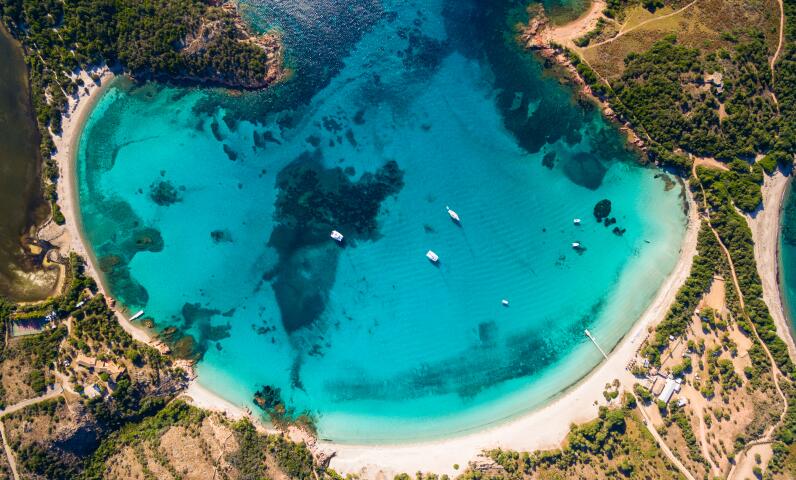
Rondinara, a bay drawn with a compass
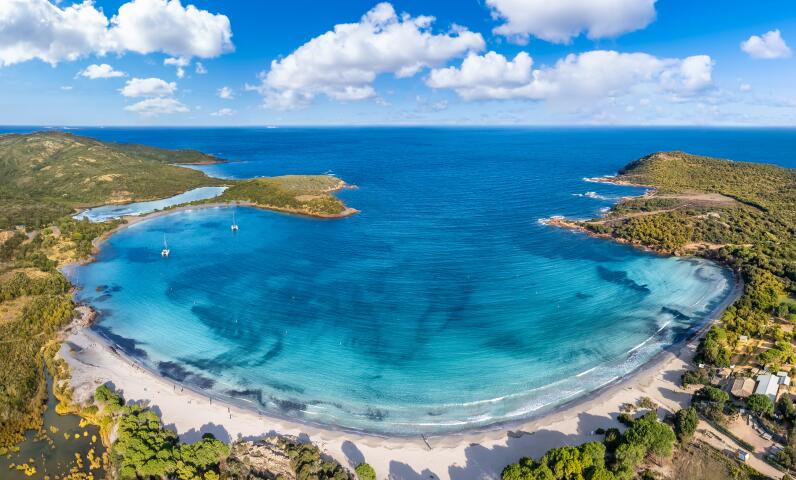
Between Porto-Vecchio and Bonifacio, the road gradually winds its way into the maquis. Then the sea comes back into view. Seen from above, Rondinara immediately catches the eye with its shape: two headlands stretch out toward the Mediterranean, forming an almost perfectly rounded bay. Down below, the spectacle continues.
From our seaside campground in Corsica, the calm water gently laps at the sand, and the gentle slope allows for an easy entry into the sea. Lay out your towel, then forget about it for a while: Rondinara makes you want to stay in the water. As a family, everyone quickly finds their own rhythm. The kids splash around near the shore while the more adventurous explore the rocky edges of the bay with a mask and snorkel.
Did you know? Rondinara Bay is part of the Bouches de Bonifacio Nature Reserve. That’s one more reason to explore this landscape with care and to stay on the marked trails during your walks.
Little Sperone: The Reward at the End of the Road
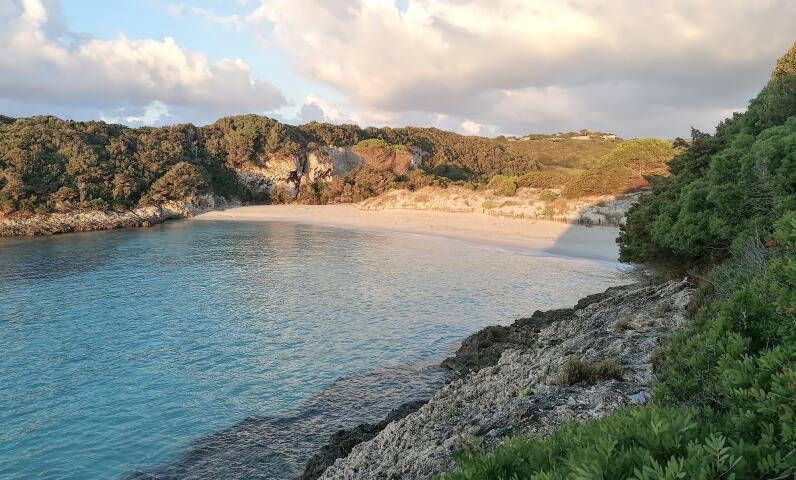
What if the adventure began even before you reached the sand? To get to Petit Sperone, near Bonifacio, gradually leave the road behind and continue on foot from the Piantarella area. The maquis accompanies your steps, the sea comes into view between two hills, and the urge to take off your shoes grows stronger and stronger.
Then the little cove reveals itself. Light-colored sand. Crystal-clear water. An intimate cove that stands in contrast to the long beaches of the island’s south. Part of the pleasure comes from this gradual approach. Petit Sperone isn’t just a place to lay out your towel—it’s a short hike that turns a swim into a reward.
Still in the mood to walk? Continue on to Grand Sperone to extend the experience and discover a new side of the coastline.
Our tip: Bring sturdy shoes to reach the coves, plenty of water, and travel light. On this type of beach, the less you carry, the more you’ll enjoy the journey.
Saleccia and the Lotus: The Adventure Begins Before the Swim
Saleccia, a beach that feels like the end of the world
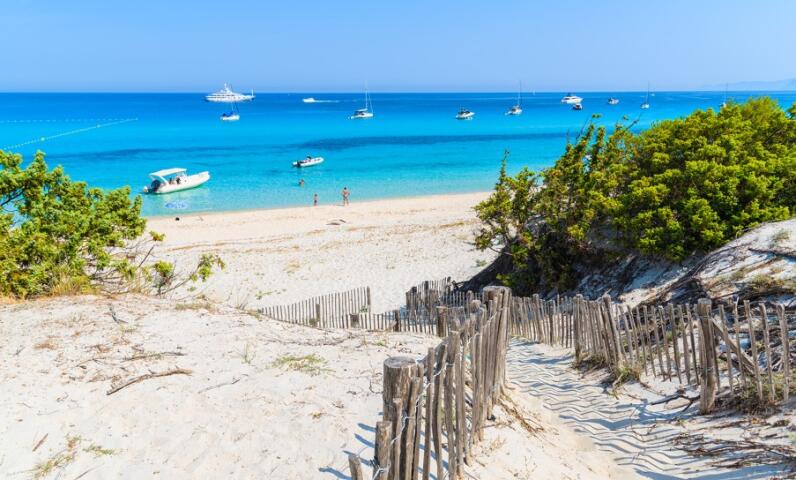
There are no major roads leading directly to the beach. To discover Saleccia, in the Agriate region, you have to be willing to slow down. Depending on the route you choose, you can get there on foot, by boat, or via authorized trails. And that’s precisely what makes the experience so unique.
Imagine this: after passing through a landscape of maquis, a long white line appears in the distance. Before you lies more than a kilometer of sand bordered by turquoise water. Behind you, a pine forest completes the scene.
Set down your bag. Take off your shoes. After the journey, that first swim takes on a whole new meaning. Saleccia reminds us of one thing above all: in Corsica, the journey can be just as much a part of the memory as the beach itself.
Did you know? Saleccia also hides a piece of history. In 1943, weapons destined for the Corsican Resistance were unloaded there from the submarine Casabianca. A few years later, the beach also served as a backdrop for the film *The Longest Day*.
Lotu Beach: Slow down a little more
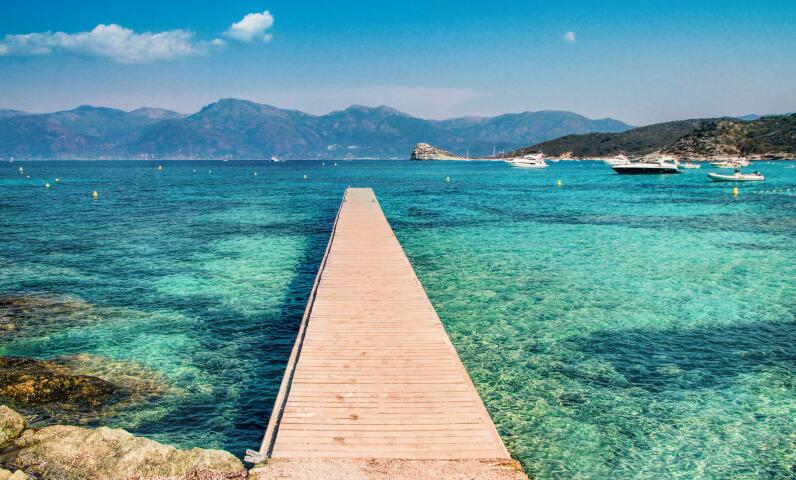
Just a few kilometers away, Lotu Beach extends this sense of disconnection.
Here, too, the Agriate sets the pace. The landscape remains rugged, open, and almost silent when there are fewer visitors. From our campground in Upper Corsica, there’s no need to fill every minute: walk, swim, take in the coastline, and simply let the day unfold.
For hikers, the coastal trail connecting Lotu and Saleccia, among other places, turns your exploration into a true getaway.
Perhaps that, after all, is the luxury of a day in Agriate: having a magnificent beach right before you and nothing else to do but enjoy it.
Which beach in Corsica should you choose for a family vacation?
Palombaggia
An iconic setting featuring pine trees, pink rocks, and turquoise water.
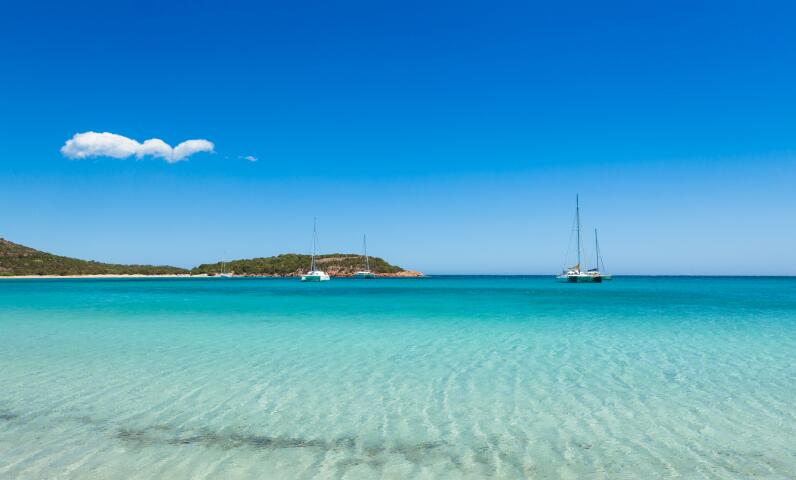
Santa Giulia
A family-friendly beach that we love for its shallow water and water activities.
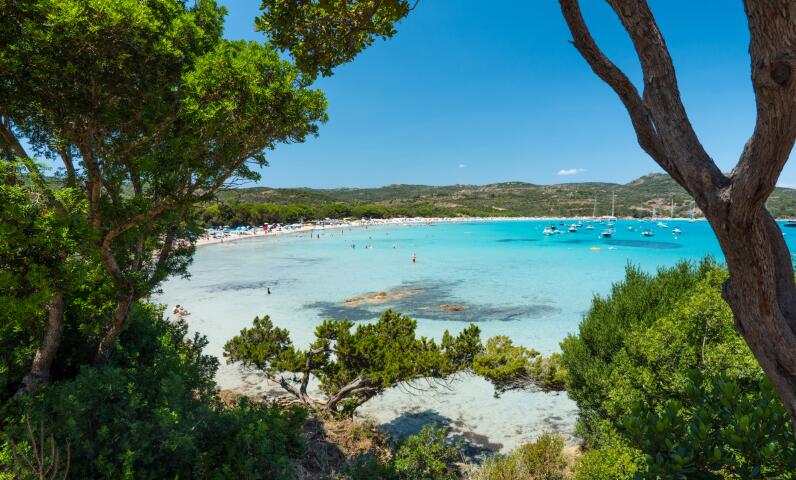
Rondinara
A peaceful cove prized for its striking shape and generally calm waters.
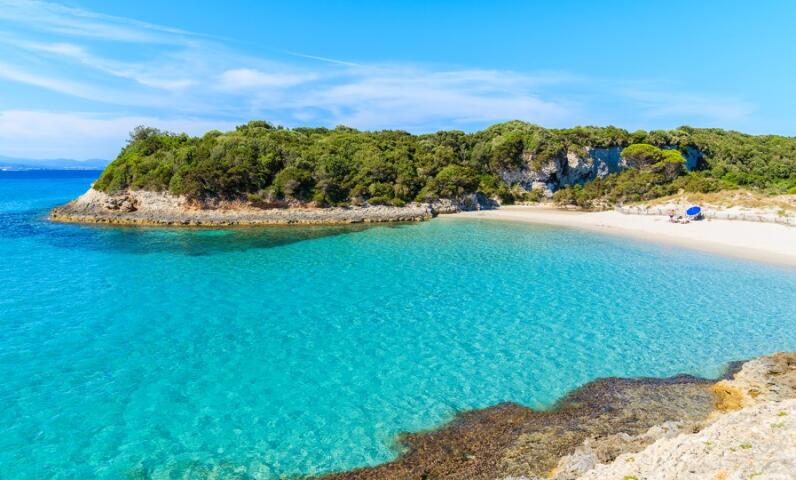
Little Sperone
A little adventure just for the fun of walking to the cove.
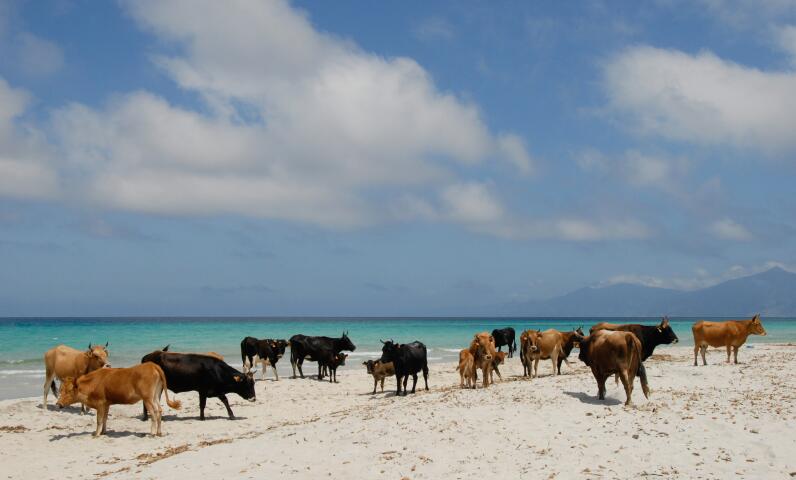
Saleccia
A true escape, thanks to its wild setting and more adventurous access.
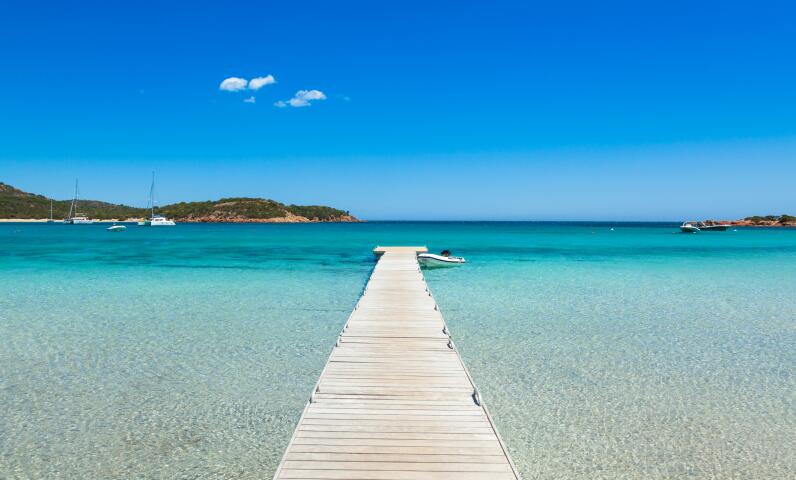
Lotu
Hiking + beach: combine a hike in Agriate with a swim.
Ostriconi and Roccapina: Beauty Without Artifice
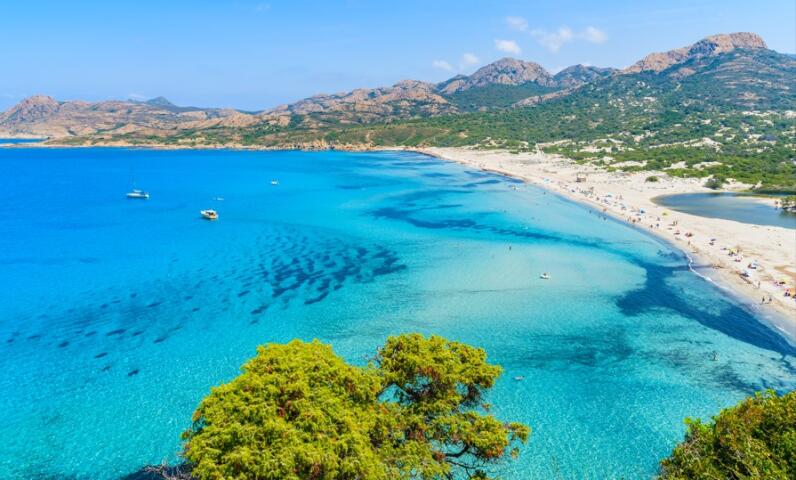
Ostriconi, between the river, the dunes, and the Mediterranean Sea
In Ostriconi, don’t look for rows of lounge chairs or a perfectly manicured setting. Instead, look around you. The river winds its way toward the sea. The dunes blend into the maquis. The rolling hills gradually frame the landscape. Before you, the Mediterranean stretches out in all its natural beauty.
Located at the gateway to Agriate, this beach offers a much more rugged side of Corsica. People come here to walk barefoot on the sand, listen to the waves, and rediscover that rare feeling of having vast open space before them. The atmosphere is completely different from the lagoons in the south. And that’s precisely what gives it its charm.
Our tip: Before swimming at an exposed beach like Ostriconi, always check the sea conditions and any posted guidelines on site. A sea that looks spectacular from the shore can be much rougher once you’re in the water.
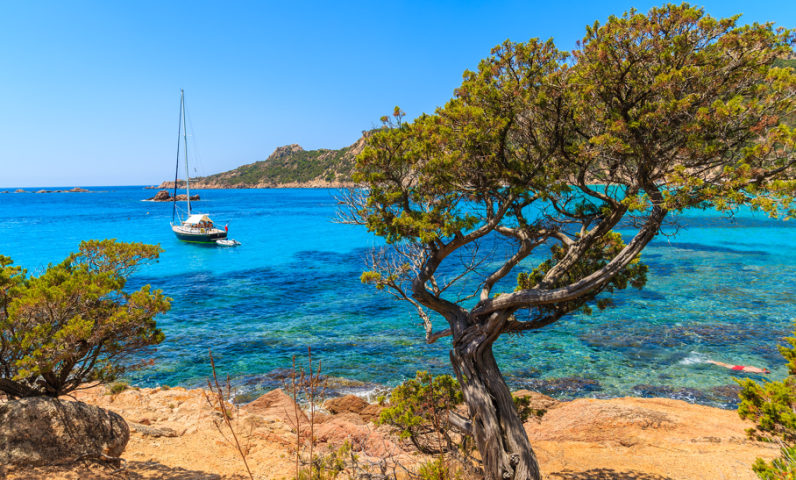
Roccapina, under the lion's gaze
Further south, between Sartène and Bonifacio, granite takes over. In Roccapina, the beach unfolds against a landscape where the rock seems to have been sculpted to tell stories. Above the bay, a natural formation resembles the silhouette of a lion lying with its face toward the Mediterranean: the famous Lion of Roccapina.
Below, the light-colored sand contrasts with the blue of the water and the warm hues of the granite.
Take a moment to look up before rushing toward the sea. Here, the spectacle isn’t limited to the water—it’s all around you.
That’s what makes Roccapina so unique. You won’t leave with just the memory of a swim, but with the memory of the Corsican landscape in all its grandeur.
Calm waters for the first swims
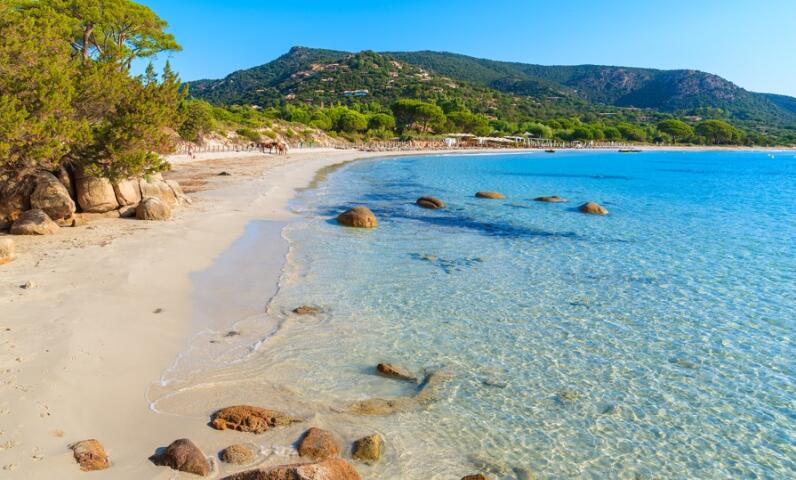
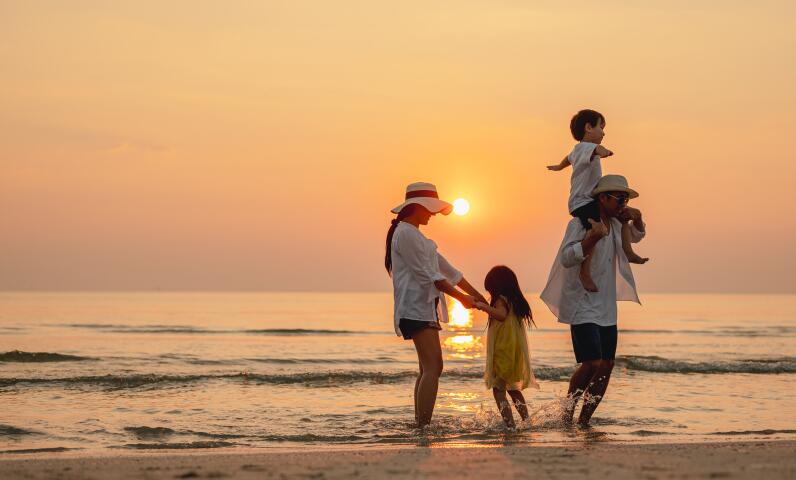
Santa Giulia: Splashing Around in a Lagoon-Like Setting
For families, Santa Giulia has a lot to offer. Its sheltered bay and shallow waters near the shore allow even the youngest children to gradually discover the joys of the Mediterranean.
With their feet in the water, the kids watch the little fish. A few meters further out, older kids can enjoy the water sportsactivities offered by your campground and hop on a paddleboard or kayak. Meanwhile, you can finally savor that special feeling: everyone is having fun, but no one has to do exactly the same thing.
That’s what family vacations are all about: sharing the same space while letting everyone do what they want.
Rondinara: A Day Spent at the Children's Pace
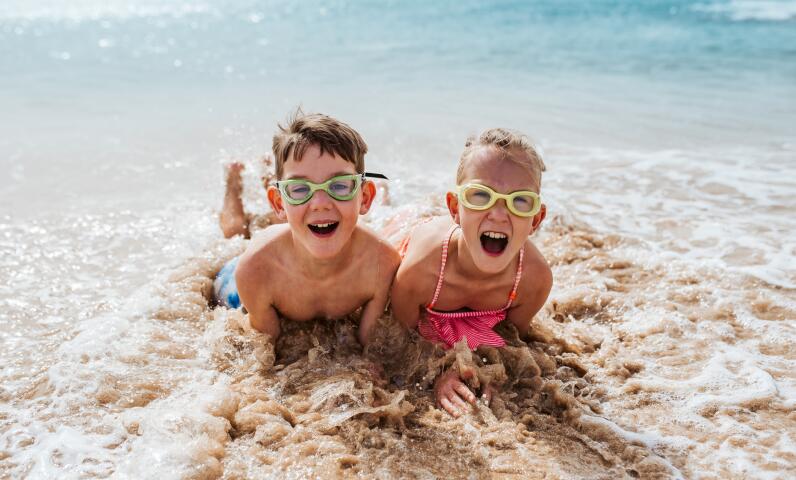
At Rondinara, the sheltered bay and the gentle slope into the water create a particularly pleasant atmosphere for a family day out.
Bring a picnic, spread out your towels, and let the day unfold naturally. A swim. A sandcastle. Exploring the rocks. A nap in the shade. Then another swim—because, let’s face it, no one can resist that turquoise water for long.
Our guests’ favorite tip: bring a child-sized snorkel mask. Spotting a few fish near the rocks can sometimes turn a simple swim into a first little underwater adventure.
The perfect beach also depends on your pace
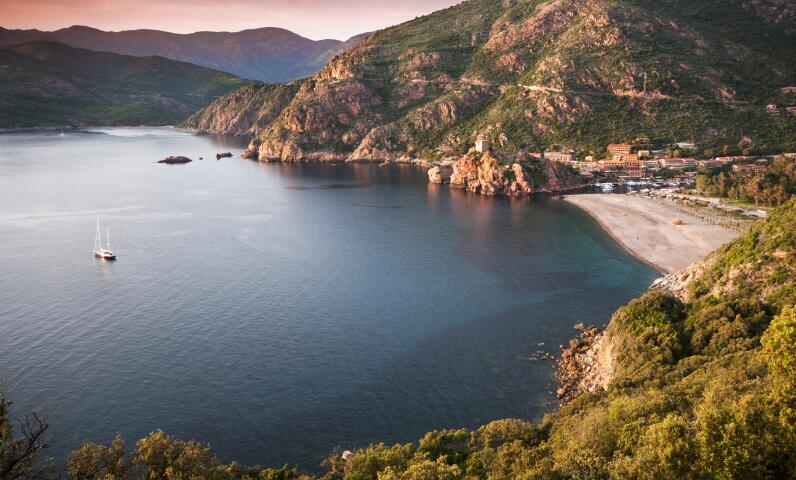
What if, just this once, you left your towel in your bag for a few more minutes? Ultimately, there isn’t just one “ideal” family-friendly beach in Corsica. Your best choice depends on the ages of your children, your preferences, and—above all—the kind of day you’re in the mood for.
Some Corsican beaches reveal their best side when you venture away from the sand. Put on your mask, adjust your snorkel, and glide gently into the water. The noise from the shore fades away. Beneath the surface, rocks, seagrass beds, and small fish create an entirely different landscape. Around our campground near Bonifacio, the experience sometimes begins even earlier. Before diving in, you have to walk.
Looking for the perfect spot to watch the sunset on a Corsican beach? The day is drawing to a close, but no one really wants to head back. The sand gradually loses its warmth. Fewer and fewer people remain on the beach, and the light transforms the landscape. The intense blue gives way to golden hues, then orange ones. It’s perhaps at this moment that Corsica becomes its quietest. To experience this moment, head to the island’s western coast.
Our tip: Don’t choose a beach just because it’s considered a “must-see.” When traveling with kids, a few details can make all the difference: how far you have to walk, available shade, sea conditions, nearby amenities, or how much gear you’ll need to carry. Check local conditions before you leave and tailor your plans to your family.
When a mask and snorkel completely change your day
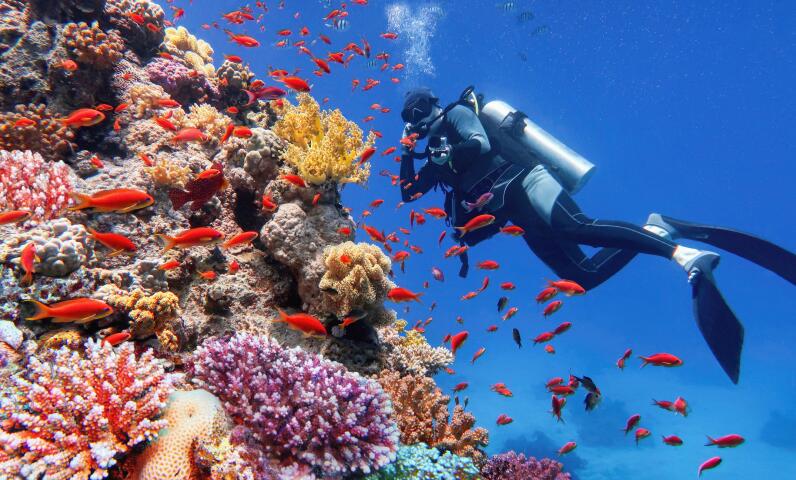
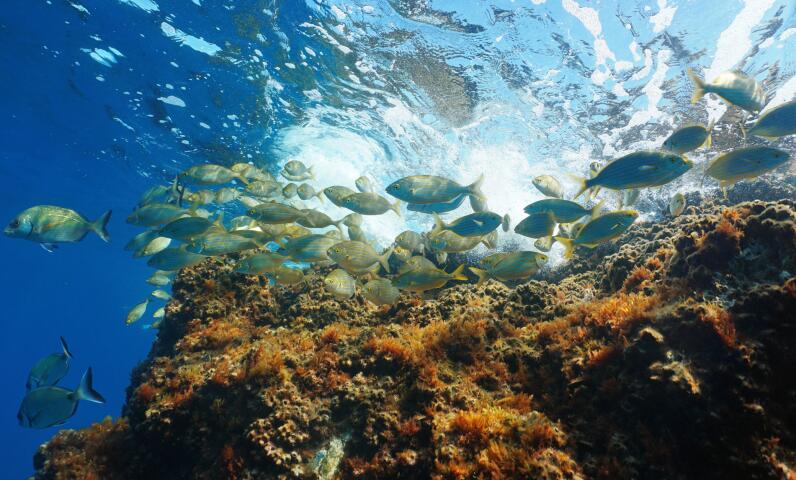
Explore the rocks instead of staying on the sand
You don't have to go very far to discover another side of a Corsican beach.
On beaches bordered by rocky areas, the best sights are often just a few meters from the shore. When the sea is calm and conditions are right, wade slowly into the water and look around.
The first little fish brings a smile to your face. The second makes you want to go a little further. Before you know it, twenty minutes have flown by.
With children who are comfortable enough in the water, this exploration becomes an activity in its own right. You compare what each of you has seen, try to identify the species, and go back to check one last time before heading out.
The little extra? Alternate between snorkeling and exploring the shoreline. A rocky cove often holds just as many surprises above the surface as below.
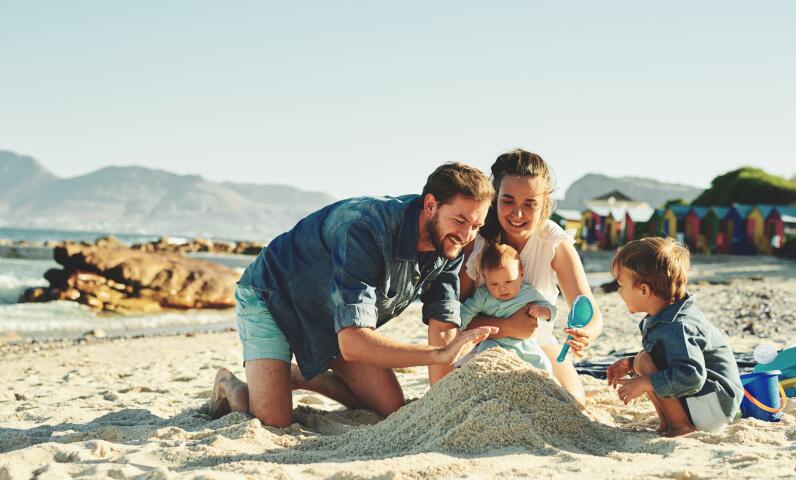
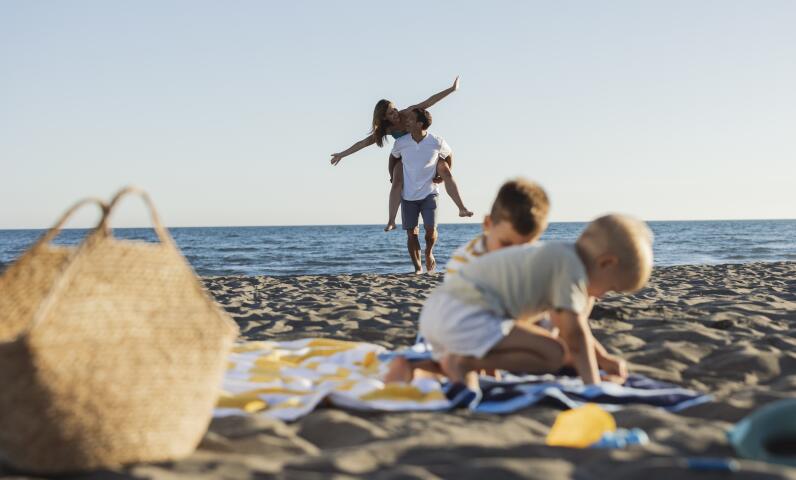
Everything you need to set out on an adventure with ease
From our Corsican campground on the west coast, there’s no need to turn your backpack into a suitcase. Just a few essentials are all you need to fully enjoy a day exploring coves and snorkeling.
In protected natural areas, observe but don’t take anything. Shells, plants, rocks, and marine life belong where you found them. Your best souvenir fits easily into a photo… or simply in your memory.
Capo di Feno: Wait until the light turns golden
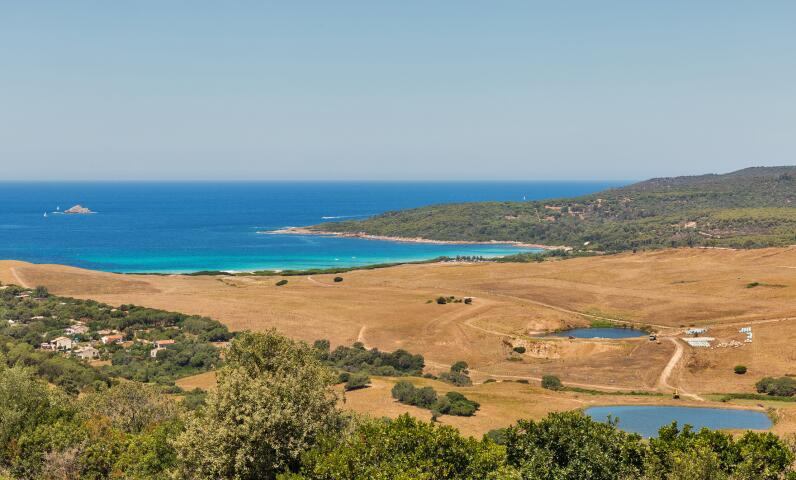
A beach whose atmosphere changes as the day comes to a close
Just a few kilometers from our campground near Ajaccio, Capo di Feno offers a very different landscape from the lagoons in the south. Here, the beach opens up more toward the sea. The landscape seems more expansive, more rugged. The waves can add depth to the horizon, and the atmosphere invites you just as much to gaze at the ocean as to swim in it when conditions allow.
Then the sun begins to set. Conversations slow down, towels are folded up, and those who remain naturally turn their gaze toward the horizon. There’s no need to plan this moment any further. Just sit in the sand and wait.
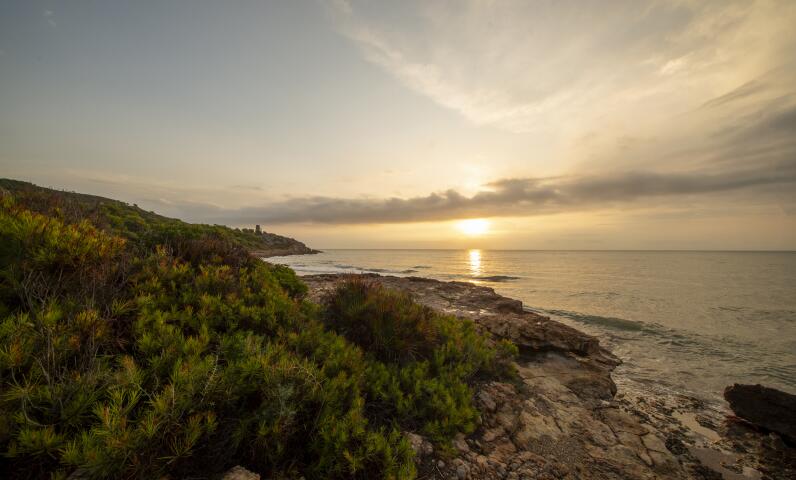
Extend the day until the last rays of light
Sunset isn’t necessarily a sign that it’s time to leave. Stay a few more minutes. It’s often right after sunset that the landscape takes on its softest hues. The sky shifts from gold to pink, then to deep blue, while the beach gradually returns to calm.
Our guests’ favorite tip: pack a simple picnic and extend your day by the sea. A few Corsican specialties, fresh fruit, and a beautiful view are all it takes to turn your meal into a lasting vacation memory.
Ajaccio and the West Coast: When the Sea Glows in the Golden Hour
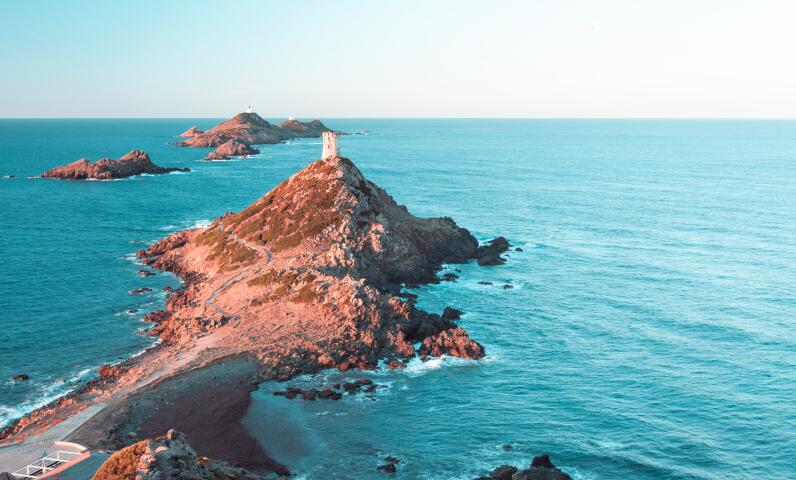
The beaches along the Route des Sanguinaires
From Ajaccio, the road that runs along the coast toward Pointe de la Parata offers a succession of beaches and scenic overlooks facing west. It’s another way to enjoy your beachfront campingvacation in Corsica: rather than spending the whole day in one place, follow the coastline and choose where to stop based on your mood.
A swim here. A stroll a little further on. Then one last stop as the sun begins to set behind the Sanguinaires Islands. You’ve found your perfect itinerary.
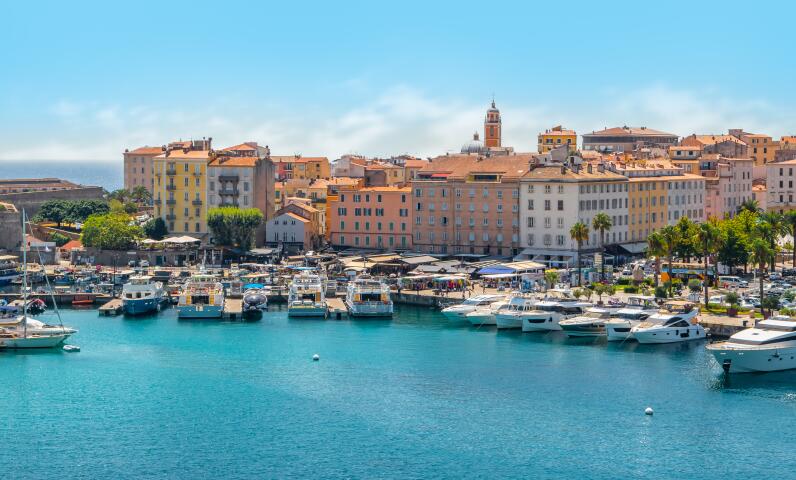
The luxury of not having to watch the clock
During vacation, some memories are made precisely when the schedule comes to a halt. Were you supposed to head home? Wait a little longer.
The kids play one last time near the shore. Someone pulls out a camera. The others just sit there, gazing out at the sea.
Did you know? The Pointe de la Parata and the Sanguinaires Islands form one of the Gulf of Ajaccio’s most iconic landscapes. From the coast, their silhouette becomes particularly photogenic as the light fades. Here, your only dilemma is ultimately deciding where to look.
Preserving Corsica's beaches without sacrificing enjoyment
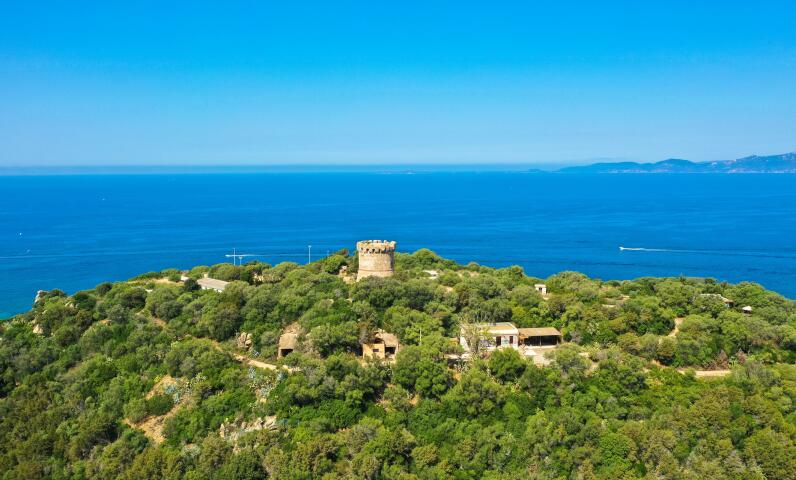
Keep the decor intact
Enjoy nature without leaving a trace.
- Take your trash with you.
- Stay on the existing trails.
- Observe the flora and fauna without touching them.
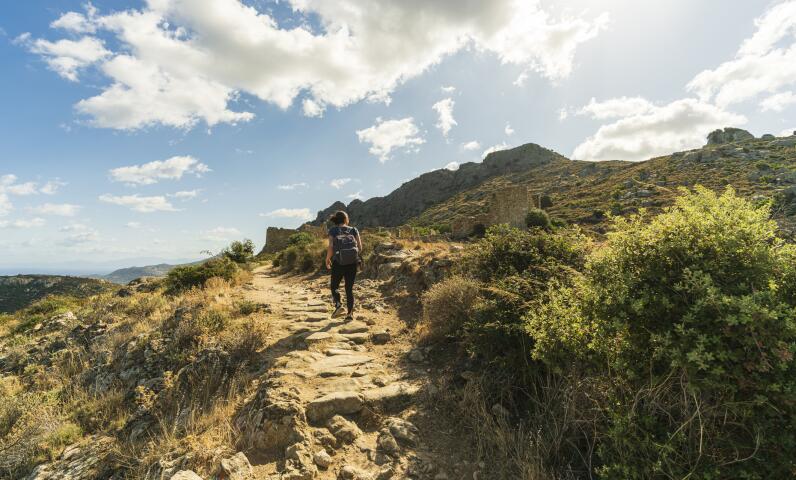
Explore in a Different Way
Slow down to better explore the coastline.
- Walk whenever possible.
- Travel light and pack a picnic.
- Take the time to look around and get away from the crowded spots.
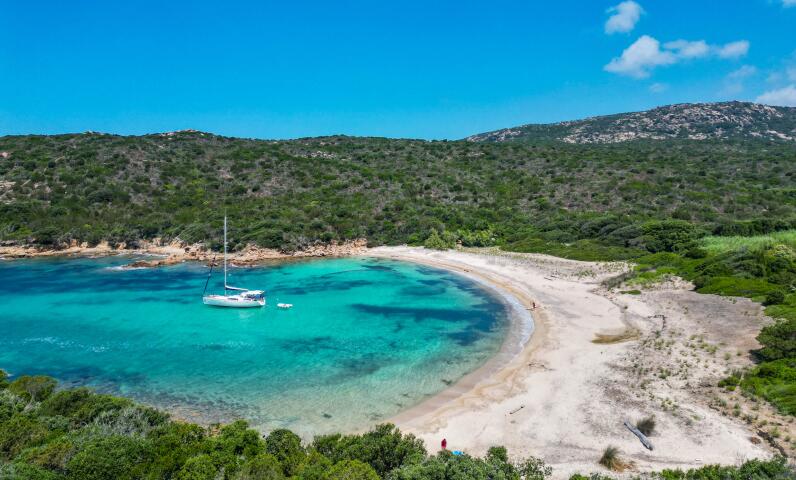
Plan Your Getaway in Advance
Just a few quick checks before you leave.
- Check access, the weather, and swimming conditions.
- Bring water and appropriate footwear.
- Adjust your plans to the conditions of the day.
About the Author
Gwénaëlle
Brand Content Manager at Sunêlia • Destination Explorer
Passionate about travel and always eager to discover new places, Gwénaëlle explores Sunêlia’s destinations to find the experiences that make every stay unique. From must-visit spots and getaways to family activities and local treasures, she shares her tips and inspiration to help you plan a vacation full of discoveries and memories.
FAQ: The Most Beautiful Beaches in Corsica
Santa Giulia and Rondinara are among the best beaches in Corsica for swimming. Santa Giulia offers generally calm, shallow water near the shore, ideal for gradually entering the sea. Rondinara also stands out for its sheltered bay and gentle slope into the water. For an iconic setting, Palombaggia combines crystal-clear water, light-colored sand, and umbrella pines.
Corsica’s most iconic beaches with turquoise waters are found primarily in the south of the island and in the Agriate region:
- Santa Giulia, known for its crystal-clear water and lagoon-like setting;
- Palombaggia, known for its turquoise waters bordered by light-colored sand and pink rocks;
- Rondinara, for its rounded bay with generally calm waters;
- Saleccia, for its turquoise waters set amid unspoiled wilderness.
Santa Giulia and Rondinara are particularly well-suited for a day at the beach with children. At Santa Giulia, the water is shallow near the shore, and older children can try stand-up paddleboarding or kayaking. Rondinara offers a gradual entry into the water and a generally calm bay. Before you go, also consider the swimming conditions, beach access, available shade, and the distance you’ll need to walk with the kids.
To explore wilder landscapes, Saleccia, Lotu, and Ostriconi are among the beaches you won’t want to miss. Saleccia combines a long stretch of sand with turquoise waters and a pine forest. Le Lotu lets you combine swimming with hiking in the Agriate. Ostriconi offers a different landscape, where dunes, a river, scrubland, and the Mediterranean Sea come together. Getting to these beaches sometimes requires a bit more planning than reaching a beach directly accessible by road.
Corsica’s most beautiful beaches can be found in both the north and the south, but the landscapes differ. The south is renowned for Palombaggia, Santa Giulia, and Rondinara, with their turquoise waters, light-colored sand, and lagoon-like scenery. In the north, Saleccia, Le Lotu, and Ostriconi offer a wilder atmosphere, set amid maquis, dunes, and wide-open spaces. The south is therefore better suited for those seeking coves and lagoons, while the north will appeal more to lovers of natural, unspoiled landscapes.