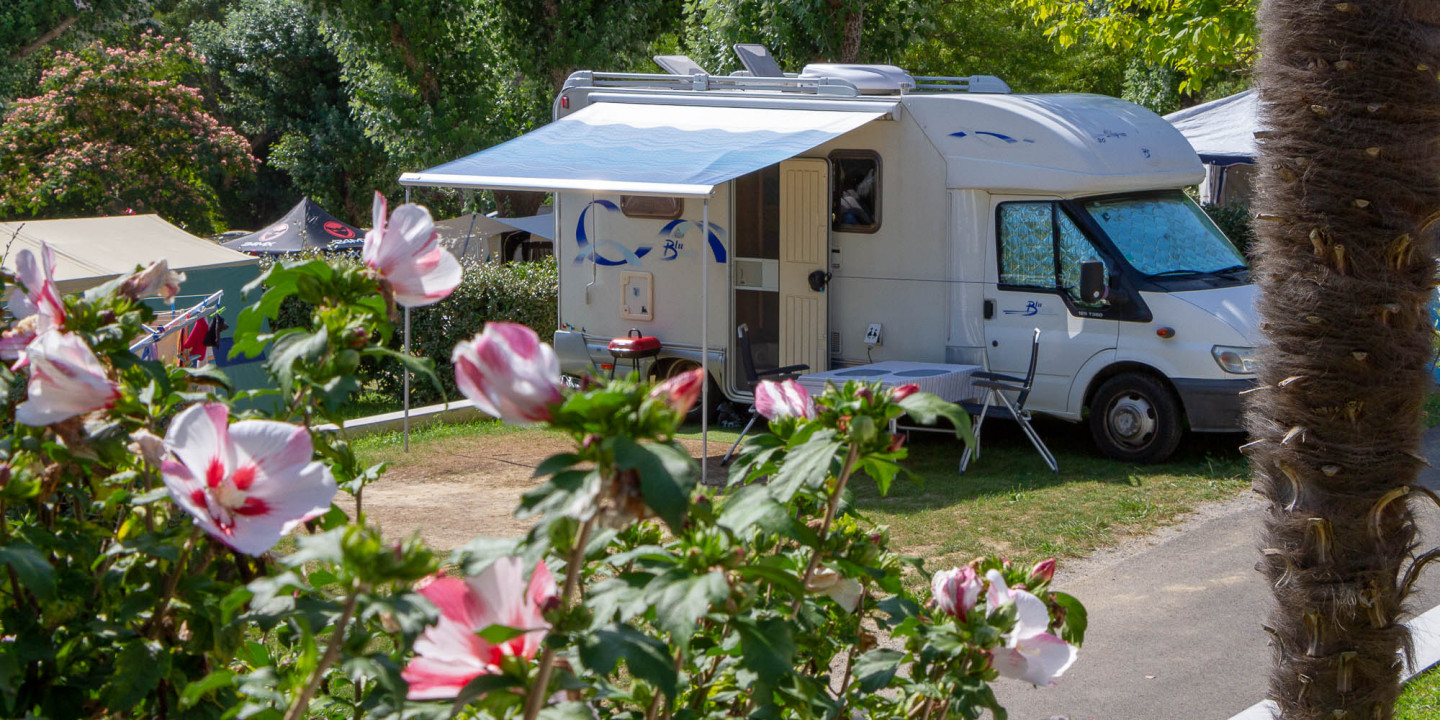
Vacation is just around the corner, and you have one thing on your mind: hitting the road, getting out into the great outdoors, and sharing wonderful moments with your family! But before you settle in at the campground, you have one small task ahead of you: packing. Tent, sleeping bag, cooking gear, clothes… It’s not always easy to think of everything! At Sunêlia, we’re here to help with this comprehensive camping checklist so you can make the most of your vacation—whether you’re staying in a tent, a RV, or a mobile home.
Table of Contents
- Why Make a Camping Checklist Before You Leave?
- Essentials for setting up camp and getting a good night’s sleep
- What camping gear should you bring for cooking?
- Hygiene, health, clothing, and documents to bring
- Tailoring Your List to Your Tent, RV, or Trailer Home
- How to pack your luggage without overloading the vehicle?
- FAQ: Camping Checklist
Why should you make a camping checklist before you leave?

Can you already picture your first swims, meals on the patio, and evenings outdoors? A camping checklist helps you avoid those little oversights that make setting up camp a hassle—like leaving your mallet at home, bringing a pump without the right attachment, or arriving with a dead flashlight. It also helps you divide up your gear among your whole family.
Start by checking the campground’s amenities and the accommodation description. A grocery store, a communal barbecue, a laundry facility, or a refrigerator rental can help lighten your luggage. On the other hand, a site without electricity or a late arrival will require you to be more self-sufficient. So the best packing list isn’t the longest one, but the one that’s tailored precisely to your trip.
Essentials for Setting Up Camp and Getting a Good Night's Sleep
Tents, Setup, and Sleeping Arrangements
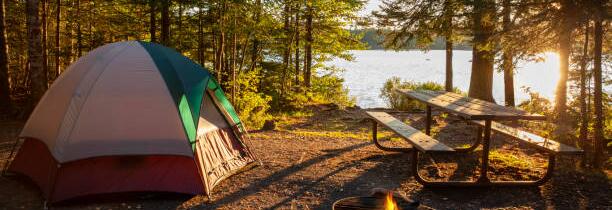
For a camping trip, choose a tent that’s suitable for the number of people and provides enough space for luggage. Campgrounds with tent sites usually specify the dimensions of the plots and the available hookups. Set up the tent once before you leave: this will let you check its condition, identify any missing parts, and save time upon arrival.
Place the following in the “setup” bin:
- a tent with poles, a rain fly, and a groundsheet;
- tent stakes suitable for the terrain, a few spare stakes, and guy lines;
- a tent mallet—never a rock, which could damage the equipment;
- a tarp or groundsheet the size of the tent;
- a small broom and a shovel to keep the area clean.
For the night, pack a sleeping bag suitable for the expected temperatures, an inflatable or self-inflating mattress, a compatible pump, and a compact pillow. Add a blanket for cool evenings and earplugs if you’re a light sleeper. When camping in the wilderness, a headlamp makes it easier to get around after dark while keeping your hands free.
Furniture, Lighting, and Electricity
A sturdy table and folding chairs are all you need to create a comfortable space. Depending on the pitch’s exposure, bring an awning, a shade cloth, or a securely anchored umbrella. A clothesline with a few clothespins works well for both towels and wet clothes.
For lighting and small appliances, gather the following:
- a rechargeable lantern for the table;
- one headlamp per adult and a child-safe lamp;
- a power bank and the necessary cables;
- an extension cord, outlets, and an adapter designed foroutdoor use and compatible with the campground’s outlets;
- if necessary, a power strip specifically designed foroutdoor use.
Use only electrical equipment designed for outdoor use. Unroll the extension cord completely, keep connections away from damp areas, and never use an indoor power strip on your campsite. Check the campground’s outlet specifications with the campground staff before purchasing an adapter. Solar string lights provide soft lighting, but they are no substitute for a reliable lamp for cooking or moving around safely.
What camping gear should you bring for cooking?

Things to do on those warm summer evenings
Part of the fun of camping is spending the evenings outdoors with friends or family and enjoying the simple way of life. Take a pack of cards, games and books to read and forget the lure of technology for a while. This is a time to chill and get back to nature without the everyday distractions of modern life.
Make your own entertainment
Whilst you can watch the campsite entertainment, when you stay at a Sunêlia 4 or 5-star campsite, why not set up your own musical evening in your camping area or on the beach. If anyone in your group plays the guitar this is the ideal opportunity to have a singsong under the stars.
Don´t forget your outdoor fun equipment
If you’re camping by the sea with the kids, buckets and spades and beach balls are essential for your camping checklist. You may also want to take any water sports equipment you have such as a surfboard if you’re camping near the French Atlantic. Lakeside camping offers plenty of water activities too, and it’s probably easier to hire a canoe or kayak rather than taking your own.
Water, provisions, and the first few meals
Plan two or three meals before you leave, then buy fresh ingredients as you go. Pasta, rice, couscous, lentils, canned goods, fruit compotes, dried fruit, and condiments make for a stock of ingredients that’s easy to cook with. For the first evening, choose a quick meal that doesn’t require setting up a full kitchen or lengthy preparation.
Bring one water bottle per person and a separate container for drinking water. A container with a spout makes cooking and handwashing easier at the campsite. The campground’s water fountains are still your best bet: a portable filter does not automatically make water safe to drink if its quality is unknown.
Hygiene, Health, Clothing, and Documents to Bring

Toiletries and First Aid Kit
Your toiletries bag can be compact: toothbrush, toothpaste, soap, shampoo, deodorant, toilet paper, quick-dry towels, and a bag for wet laundry. It’s handy to have a pair of sandals just for the communal showers. For more privacy and to keep your belongings close at hand, some campers choose a campground with private restrooms on each site.
Pack a first-aid kit with:
- bandages, sterile gauze pads, and antiseptic;
- tweezers, small scissors, and saline solution;
- regular medications and a prescription if necessary;
- travel-friendly pain relievers;
- sunscreen, after-sun lotion, and lip balm;
- insect repellent and a soothing product for insect bites.
Keep medications in their original packaging and follow the storage instructions. Before engaging in a specific activity, supplement your first-aid kit according to the advice of a healthcare professional.
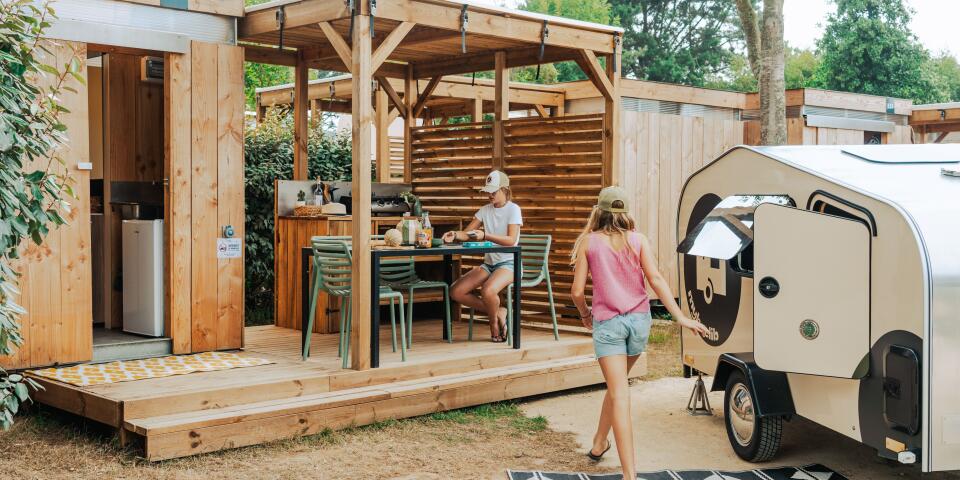
Clothing appropriate for the weather and destination
Choose clothes that are easy to layer: breathable tops, a lightweight fleece, comfortable pants, and a waterproof jacket. Pack a change of clothes that’s easily accessible during the trip, walking shoes you’ve already broken in, and sandals. A hat, sunglasses, and a swimsuit are essential no matter how long your trip is.
Your destination will help narrow down the list. For camping on the Atlantic Coast, pack a windbreaker and a dry outfit for after water activities. A camping trip in the countryside calls for closed-toe shoes and pants for hiking trails. At the beach, a waterproof bag, a lightweight towel, and a securely anchored beach umbrella will make your days on the sand more enjoyable.
Paper, tools, and handy accessories
Gather your documents in a secure envelope: identification documents, driver’s license, Vitale card, health insurance certificate, reservation confirmation, and the campground’s contact information. For the vehicle, include the required documents, the accident report form, and a spare set of keys to be given to another adult. A secure digital copy can supplement the originals without replacing them.
A multi-tool, repair tape, a few zip ties, and a short piece of rope can help resolve many unexpected issues. Also keep within reach a water bottle, a backpack, compact games, a book, and the essentials for your planned activities. The goal is to enjoy your stay, not to carry every item that might come in handy.
Tailor your packing list to your tent, RV, or trailer home
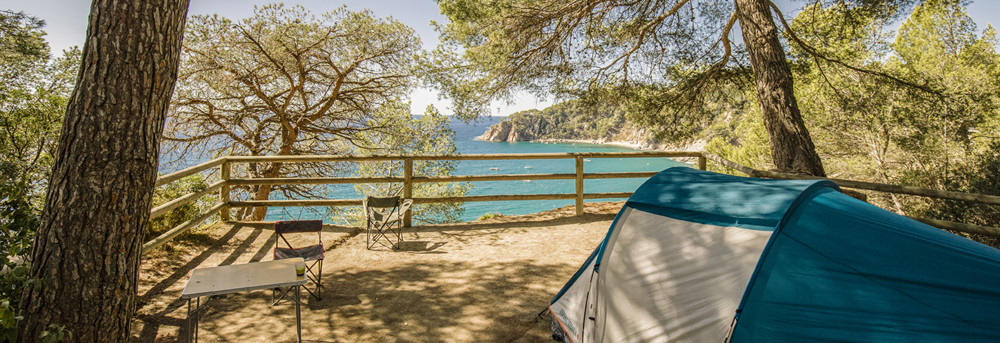
What else do you need to bring for camping in a tent?
When camping in a tent, self-sufficiency mainly involves sleeping arrangements, cooking, and protection from the weather. Bring a doormat, waterproof bags, a dustpan, and a sealed container for food. At a beach campground, tent stakes designed for soft ground and a sealed container to keep your belongings free of sand are particularly useful. Finally, avoid storing open food in the sleeping area and follow the campground’s rules regarding pets and trash.
If rain is forecast, make a few adjustments: retighten the guy lines, keep the vents clear, and store sensitive items in sealed containers. Remember that a tarp hanging over the edge of the tent can collect water instead of protecting the ground.
What checklist should you prepare for a motorhome?
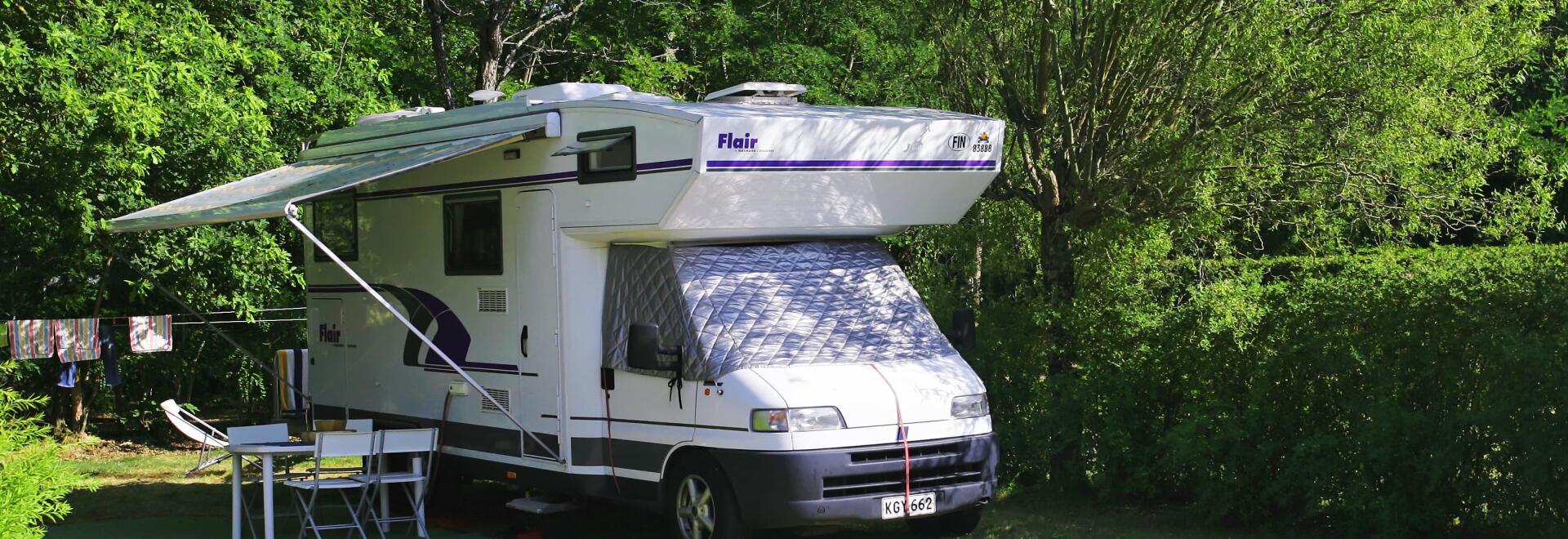
Before arriving at a campground with RV sites, check the vehicle’s fluid levels, tires, battery, gas, and safety equipment. Also verify the maximum allowed length for the site and the available services for water, electricity, and wastewater disposal.
Round out the list with leveling chocks, a hose fordrinking water, compatible connectors, a suitable electrical extension cord, gloves for technical tasks, and the necessary equipment for wastewater disposal. Put these items away before each trip, close the cabinets, and secure the gas cylinders according to the vehicle’s instructions.
What should you bring when renting a mobile home?
A mobile home rental already includes furniture, a kitchen, and some tableware. However, check the inventory before packing: sheets, towels, cleaning supplies, a coffee maker, a grill, or a high chair may be included, offered as options, or required to be brought along, depending on the accommodation.
The list should therefore focus on personal items, food for the first night, toiletries, medications, and activities. A few clothespins, a power strip suitable for indoor use, and flexible storage bins are always useful—but there’s no need to bring enough supplies to furnish a second home.
How can you pack your luggage without overloading the car?
Sort, Test, and Pack Your Gear
We’ve all heard that little phrase before leaving: “Let’s take it, just in case!” The result? The trunk is overflowing! To travel lighter, start your checklist one to two weeks before departure, sort your belongings by purpose, and check them off as you pack them. Test the flashlights, recharge the batteries, and make sure the pump fits the valves on the air mattresses.
Place heavy gear as low as possible and secure the loads in the vehicle according to the manufacturer’s recommendations. Keep essentials for when you arrive within easy reach: reservation confirmation, flashlight, tent pegs, tent, water, snacks, and rain gear. This way, you’ll avoid having to empty the entire trunk just to set up camp.
Organize by category and perform final checks
Soft bags or bins labeled “sleeping,” “kitchen,” “hygiene,” and “leisure” make setting up camp easier. Transparent containers make it easier to find items; waterproof bags keep damp laundry separate. In a small space, every item should have a designated spot so you don’t have to search for it multiple times a day.
The day before departure, check the weather, the route, the arrival time, and the campground’s guidelines. Pack perishable items at the last minute, fill your water bottles, and take photos of essential items if multiple vehicles are sharing luggage. Your only task upon arrival? Set up what’s necessary, then enjoy yourself.
FAQ: Camping Checklist
Essential gear includes a complete shelter with its stakes, a mattress and a sleeping bag suitable for the temperatures, drinking water, cooking supplies, a flashlight, and appropriate clothing. Be sure to include a first-aid kit, hygiene supplies, and travel documents. Before you leave, set up the tent, test your equipment, and check your list against the items already provided by the campground or lodging facility.
Bring an approved camping stove, a pot, a skillet, a few versatile utensils, dishes, a cooler, and a jug of drinking water. Add cleaning supplies and check the rules regarding fires and barbecues before using any cooking equipment on the campsite.
For a week in a mobile home, be sure to pack clothing, toiletries, medications, important documents, groceries for your arrival, and recreational gear. Check the inventory to see if sheets, towels, cleaning supplies, and baby gear are included or available as optional extras.
For your first trip in a motorhome, check the tire pressure, fluid levels, battery, gas, documents, and safety equipment. Be sure to pack leveling chocks, an outdoor power cord with compatible connectors, a hose fordrinking water, waste disposal supplies, and gloves. Finally, check the weight limit, the dimensions of your campsite, and that all cabinets are securely closed before each trip.
About the Author

Gwénaëlle
Brand Content Manager at Sunêlia • Destination Explorer
Passionate about travel and always eager to discover new places, Gwénaëlle explores Sunêlia’s destinations to find the experiences that make every stay unique. From must-visit spots and getaways to family activities and local treasures, she shares her tips and inspiration to help you plan a vacation full of discoveries and memories.