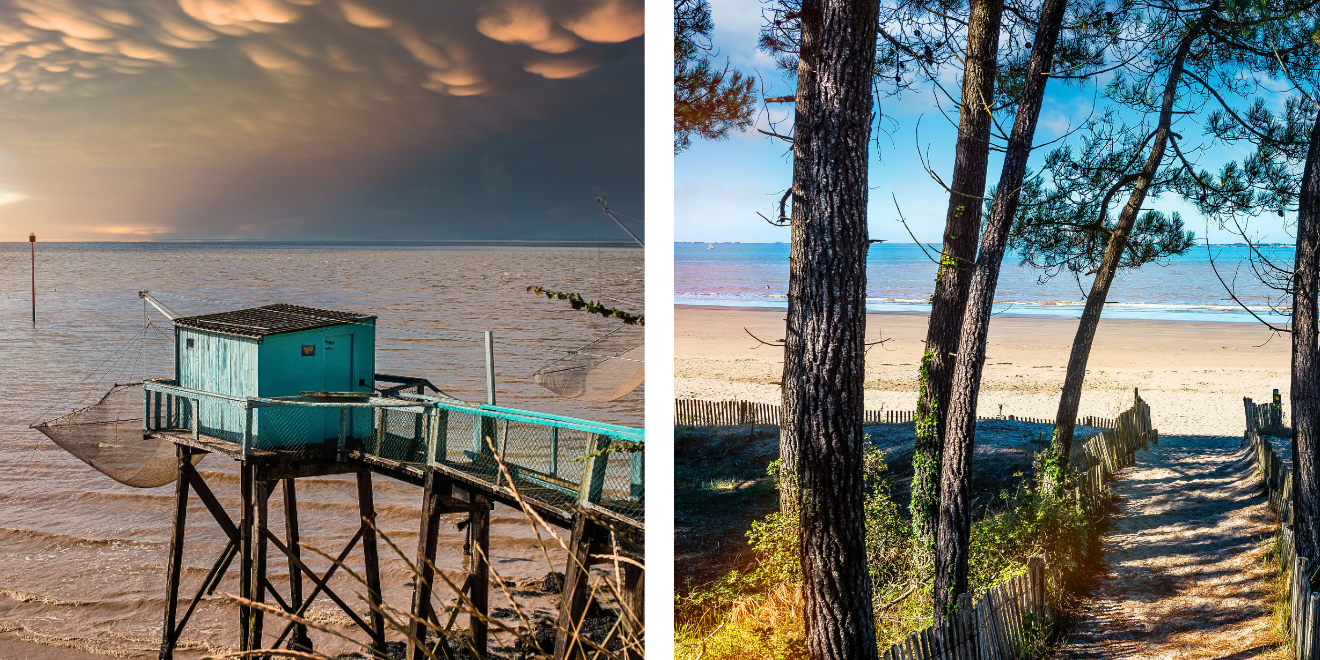
The first breath of sea air takes you by surprise as soon as you arrive. Here, the sea spray carries a faint scent of iodine, seagulls follow the fishing boats as they slowly leave the harbors, and the tides create a new landscape every day. Charente-Maritime possesses that rare gift: the ability to slow down time.
With its long beaches of fine sand, oyster-farming villages, wild marshes, unspoiled islands, and exceptional maritime heritage, every day becomes an invitation to explore.
From our seaside campground, let us be your guide: here’s our favorite itinerary for exploring Charente-Maritime in a different way, taking the time to savor every moment.
Why is Charente-Maritime so appealing to travelers?
A coastline where the ocean sets the pace
Charente-Maritime is more than just a few famous beaches. Here, the ocean shapes the landscape as much as it does the daily lives of those who live here. Twice a day, the tides reshape the harbors, reveal the oyster beds, and offer a different spectacle depending on the light. The atmosphere is peaceful, almost silent. You’ll naturally alternate between a bike ride through the pine forests, an oyster tasting overlooking the ocean, a boat trip to Fort Boyard, or a stroll through the cobblestone streets of a historic village along our campground on the Atlantic coast.
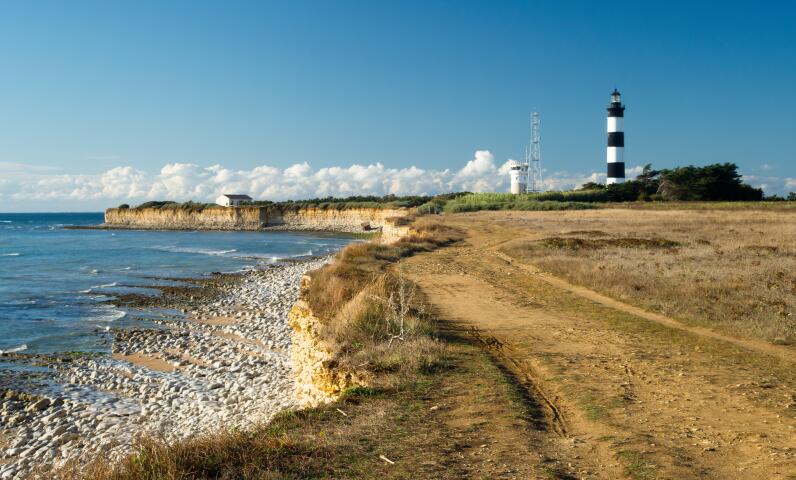
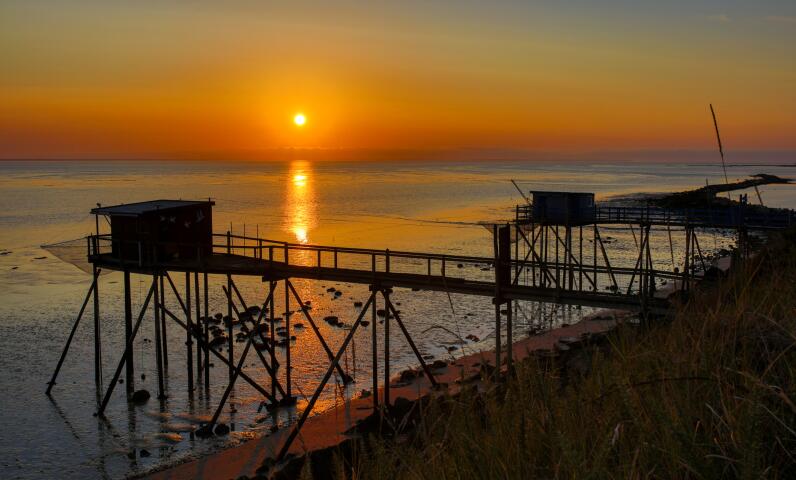
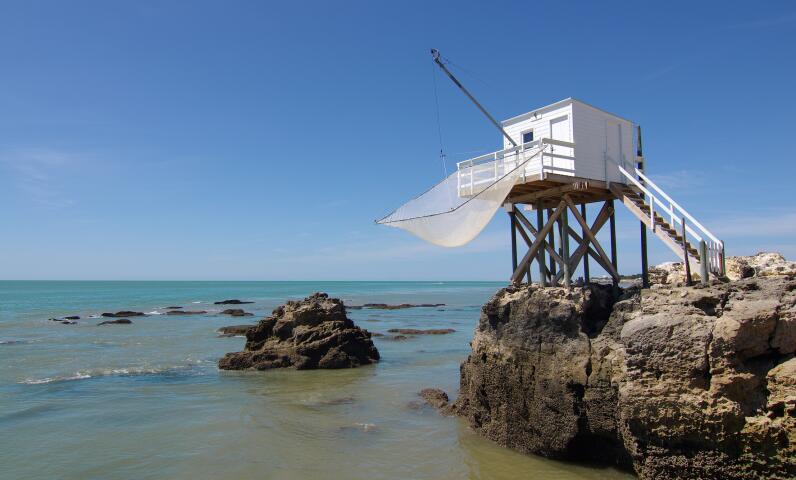
At sunrise, the fishing huts stand out against the horizon like silhouettes suspended above the water. Fishermen prepare their nets while the first cyclists take the trails running alongside the marshes. A few kilometers further on, seaside resorts sit alongside secluded coves. In a single day, you can stroll through a bustling harbor, watch storks in the marshes, have lunch at an oyster shack, and then end the evening watching the sunset on a vast beach. It’s precisely this variety of settings that makes every stay unique.
Our guests’ favorite: take a bike path early in the morning between the Brouage marshes and the oyster-farming villages. When dew still covers the reeds, the landscapes take on the air of an Impressionist painting.
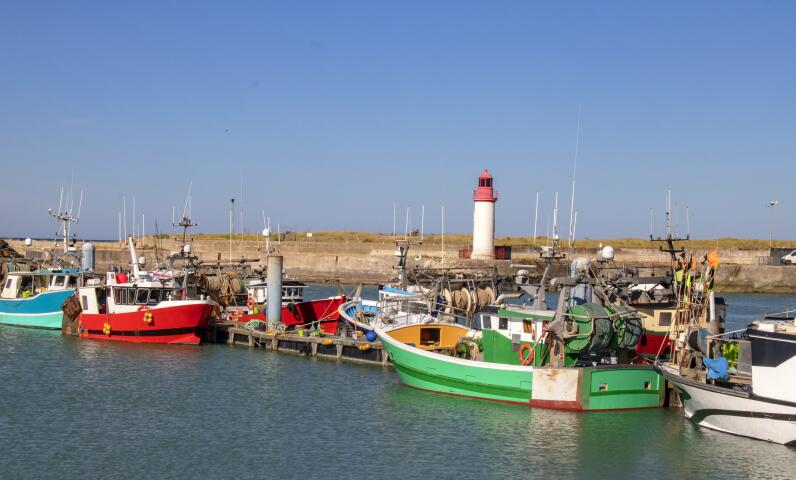
A destination where every detour holds a surprise
From our campground in Charente-Maritime— —discover this remarkably diverse heritage. Behind every church steeple lies a story; behind every small port, a maritime tradition that’sstill very much alive.
- History buffs will appreciate the ancient citadels just as much as the fortifications designed by Vauban.
- Food lovers linger at the markets.
- The most curious visitors step inside artisans’ workshops.
The region also invites you to slow down. You don’t need to rush from one monument to the next: the most beautiful memories often come from a simple coffee on a terrace, a sunset over a harbor, or an impromptu stroll through a village in full bloom. This relaxed way of life is an integral part of the Charente identity.
Did you know? With over 460 kilometers of coastline, Charente-Maritime boasts one of the longest coastlines in France. Between beaches, estuaries, marshes, and islands, the landscapes constantly change with the tides.
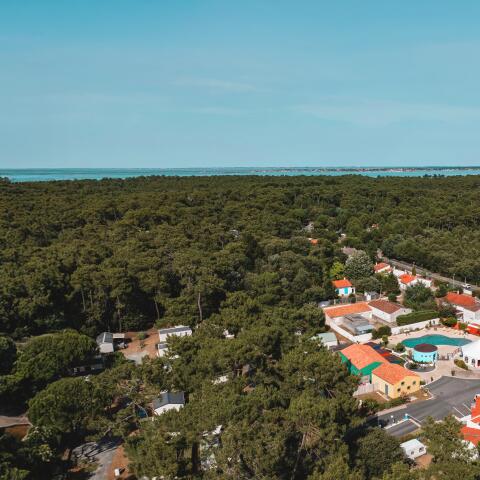
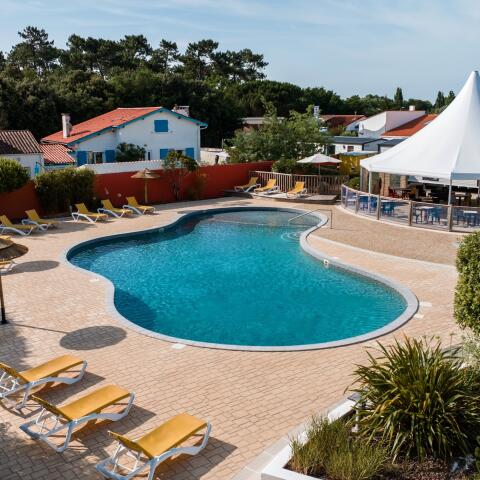
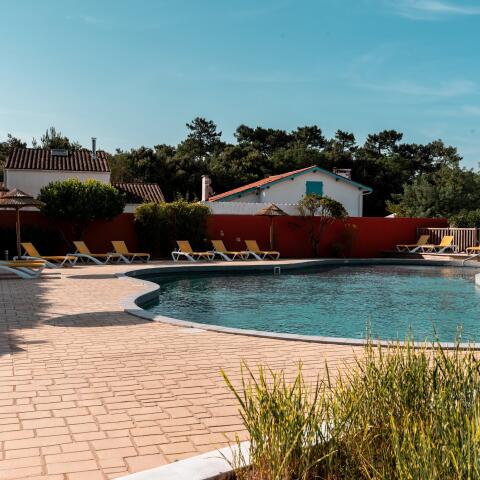
Our Top Picks for Settling Down in Charente-Maritime
What are the must-see tourist attractions in Charente-Maritime?
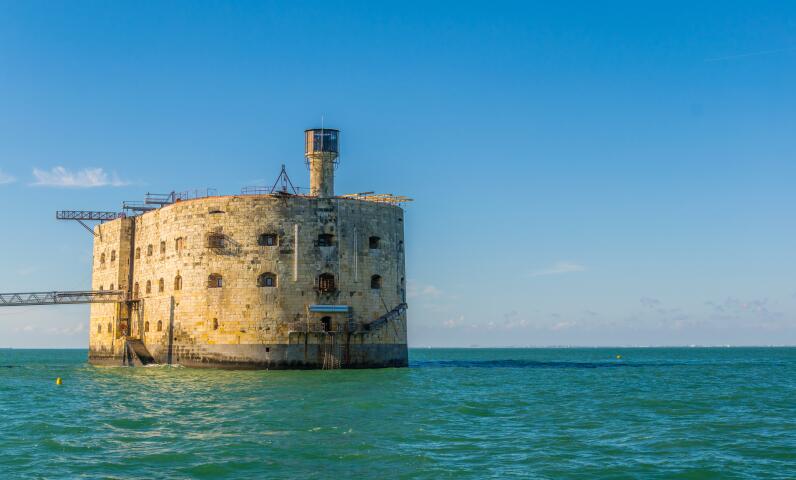
Fort Boyard, the landmark that captivates people of all ages
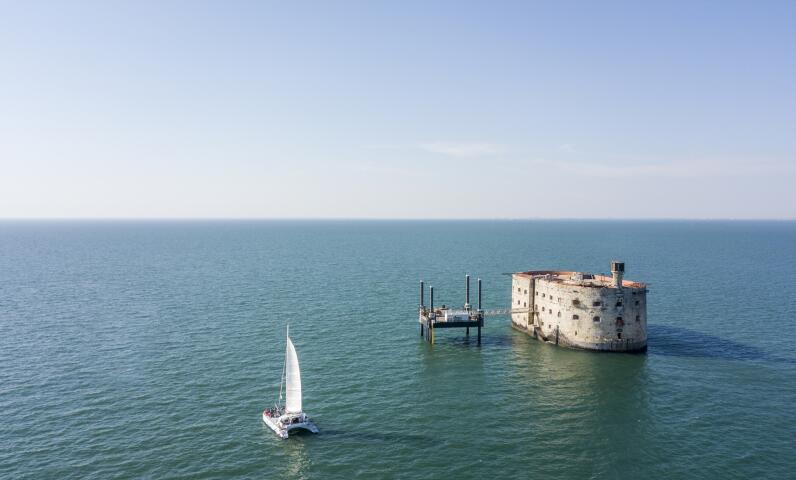
It’s impossible to talk about the major tourist attractions of Charente-Maritime without thinking of Fort Boyard. Standing between Île d’Aix and Île d’Oléron, this impressive stone structure intrigues as much as it amazes. Before becoming the setting for one of French television’s most famous shows, Fort Boyard was first and foremost a military structure designed to protect the Rochefort arsenal. Its construction, which was particularly complex, spanned several decades, as sea conditions made the project extremely difficult.
Today, while the interior of the fort is not open to visitors, several companies offer tours that allow you to get as close as possible. From the deck of a boat, you can appreciate the full majesty of this fortress perched amid the waves.
Some cruises even extend the tour around Île d’Aix or along the coast of Île d’Oléron, offering a different perspective on the Charente’s maritime heritage.
Our guests’ top tip: book a tour in the late afternoon. The golden light of the “Golden Hour” transforms Fort Boyard into a picture-perfect scene and provides ideal conditions for taking stunning photos.
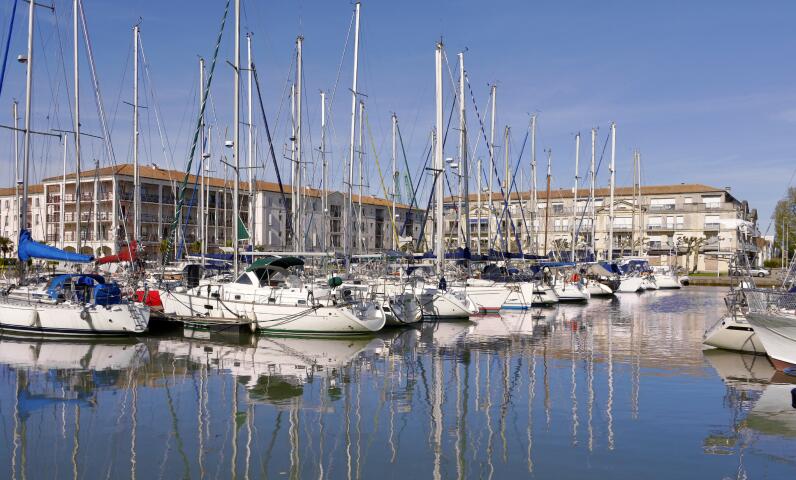
Rochefort and the Cité de l'Huître: A Journey Through Maritime History
Just a few kilometers from the ocean, Rochefort reveals another side of Charente-Maritime. Founded during the reign of Louis XIV, this City of Art and History boasts an exceptional heritage linked to the royal navy.
The majestic Corderie Royale is impressive in its sheer size. Nearly 400 meters long, it was once used to manufacture the kilometers of rope essential to the kingdom’s largest ships. Even today, a stroll through its immense galleries is enough to imagine the bustling activity that once filled the place.
Just a short walk away, the Hermione commemorates the incredible adventure of rebuilding the famous frigate that carried La Fayette to the United States. It’s a tour that fascinates adults and children alike. Next, continue your exploration toward the Marennes marshes, where the Cité de l’Huître immerses you in the daily lives of oyster farmers. You’ll observe the ponds where the oysters slowly mature, listen to stories about the tides that dictate the farmers’ work, and naturally round out the visit with a tasting right in front of the oyster beds.
Our tip: —take the time to chat with the oyster farmers. Many are happy to share their tips on how to recognize an oyster that’s been matured in a “claire,” understand the differences between varieties, and discover the best pairings with local wines.
What is there to do on Oléron Island?
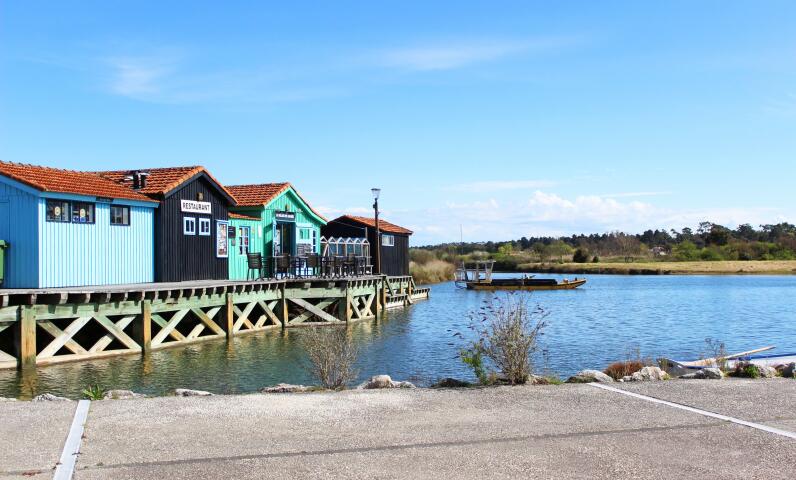
Villages That Capture the Spirit of the Island
Nicknamed “the Luminous One, ”Île d’Oléron truly lives up to its name. Here, the light is constantly changing. Each village has its own unique character. It is this diversity that gives Île d’Oléron its charm. From our campground on Île d’Oléron, Château-d’Oléron immediately catches the eye with its citadel—which you can explore on a guided tour—and its bustling harbor. But it’s the old oyster huts that are particularly charming. Restored by artists, they now house painters, ceramicists, sculptors, and jewelry designers. Behind every colorful door lies a studio where you can enjoy chatting with the artisans for a few minutes.
Further south, Saint-Trojan-les-Bains exudes an elegant and peaceful atmosphere. Its Belle Époque villas bear witness to the success of the early seaside resorts. The towering maritime pines offer welcome shade on sunny days, while the little tourist train slowly winds its way through the forest to the most secluded beaches. To the northeast, Boyardville moves to the rhythm of the boats heading out to Fort Boyard. The café terraces gradually come to life as sailboats glide across the calm waters of the channel.
The further you venture into the island, the more you’ll discover a succession of small harbors, flower-lined alleys, and shaded squares where time seems to stand still.
Our vacationers’ favorite: take a stroll through the artists’ studios in Château-d’Oléron at the end of the day. When there are fewer visitors, the artisans are happy to take the time to explain their craft and the history of their studios.
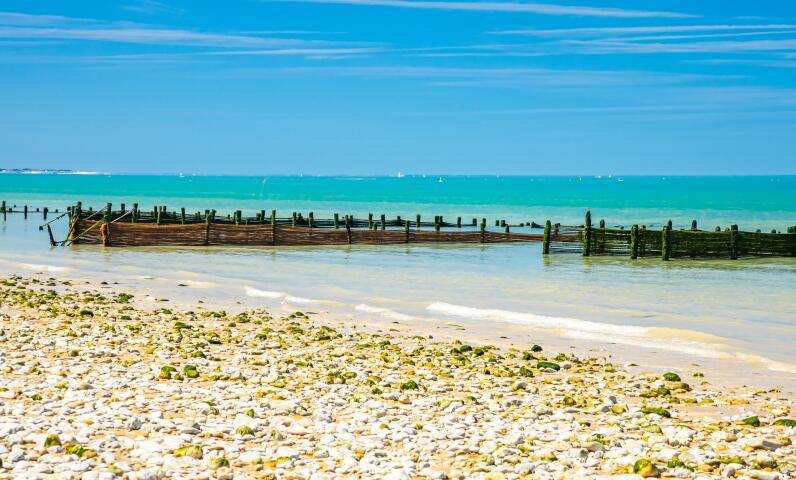
From pristine beaches to forests and bike paths
With more than 160 kilometers of bike paths, Île d’Oléron is a true paradise for cycling enthusiasts. The scenery along the route is constantly changing. A pine forest gives way to salt marshes, then to a beach lined with dunes, before reaching the channels where oyster farmers work. Families particularly appreciate how easy it is to get around. The routes are mostly flat and allow you to explore several villages with ease.
The beaches also offer very different atmospheres. Gatseau Beach charms visitors with its tranquility and pine forest, while Les Huttes Beach attracts surfers with its beautiful waves. Less crowded, Vert Bois Beach offers an incomparable sense of freedom with its vast stretch of sand. It’s also impossible to visit the island without sampling its oysters. Many huts offer tastings right in front of the oyster beds. A few wooden tables, a dozen freshly shucked oysters… it’s hard to imagine a more authentic experience.
Our tip: Get up a little earlier than usual. Between 8 a.m. and 9 a.m., the bike paths are almost deserted. The low-angle sunlight makes the marshes look stunning, the birds are particularly active, and the island regains its peaceful atmosphere.
Why is Île d'Aix a timeless retreat?
A car-free island where every stroll becomes an experience
A mere twenty-minute boat ride is all it takes to find yourself in a completely different world. As soon as you arrive onÎle d’Aix, one thing immediately catches your attention: the silence. There are no cars here. Only a few bicycles, horse-drawn carriages, and the footsteps of walkers accompany you as you explore. This small island, barely three kilometers long, naturally invites you to slow down.
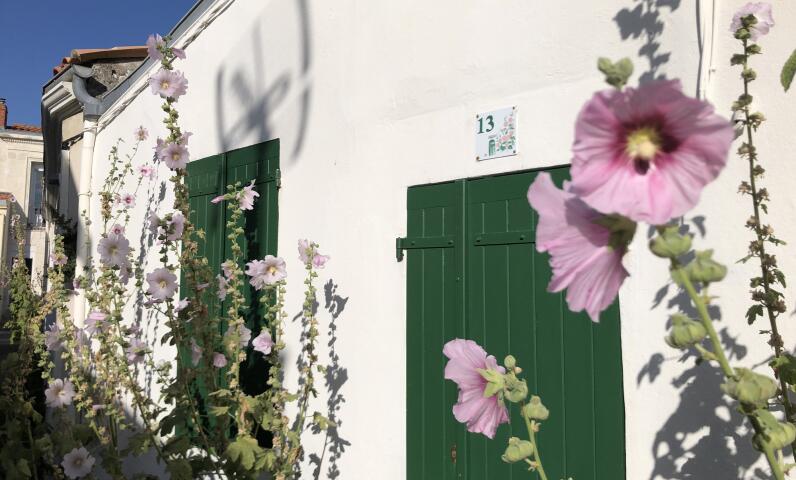
Île d’Aix is best explored entirely on foot or by bike. That’s precisely what gives it its charm. The paths wind their way between low-lying houses with colorful shutters, flower-filled gardens, and ancient fortifications. The scents of fig trees, hollyhocks, and sea spray accompany your stroll.
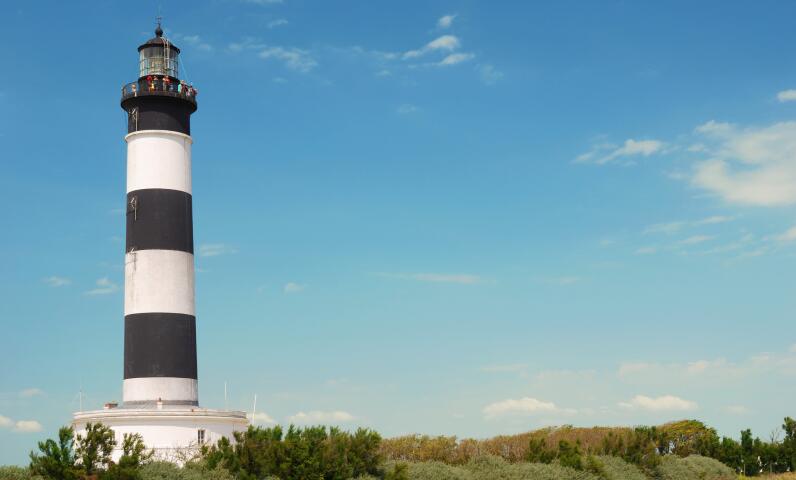
Coves alternate with small pebble beaches where the exceptionally clear water invites you to take a refreshing dip. At every turn, a new panorama unfolds before you: an old military battery, a lighthouse, a secluded beach, or a spectacular view of Fort Boyard. This feeling of being cut off from the world explains why so many visitors fall under the island’s spell.
Did you know? Île d’Aix is the only French island municipality where motor vehicle traffic is prohibited for visitors. Here, life moves at the pace of walking and biking.
Napoleon, Fort Boyard, and breathtaking views
The Île d'Aix is also deeply connected to French history. It was here that Napoleon Bonaparte spent his final days on French soil before his departure for Saint Helena. His house, which has been turned into a museum, offers insight into this particularly moving chapter of history. But the real spectacle is often found outdoors.
From the southern tip of the island, Fort Boyard appears closer than ever. Photographers particularly appreciate this unique vantage point, where the fort seems to float between sky and sea. As you continue your walk to the lighthouse, you’ll also discover one of the most beautiful panoramic views of the Charente coast. When the tide goes out, some beaches reveal rocks where crabs, shrimp, and small fish come to take refuge. Children love observing this miniature marine life.
Our guests’ favorite tip: pack a picnic and settle in facing Fort Boyard at the end of the day. With the sound of the waves as your only background noise, the moment becomes simply magical.
Where can you have the best family experiences in Charente-Maritime?

Observing Nature in the Charente Marshes
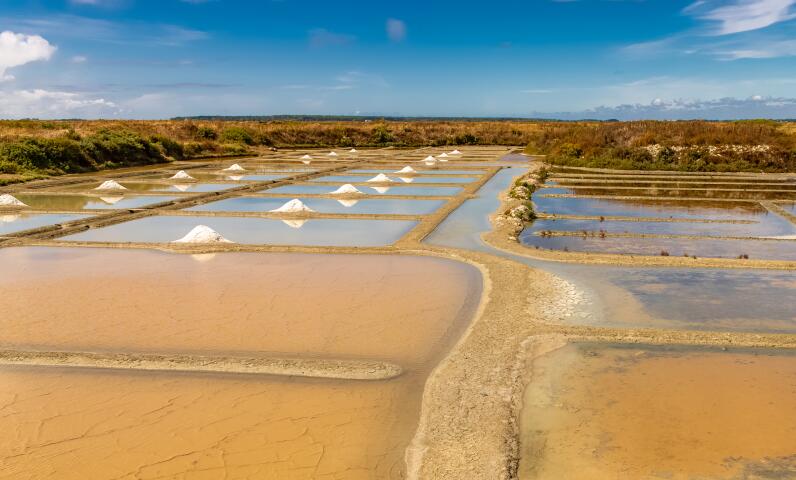
Beyond its beaches, Charente-Maritime is home to natural areas of exceptional richness. The marshes serve as a true haven for biodiversity and offer walks that are as soothing as they are fascinating. From the early hours of the day, the landscape gently comes to life. Reeds sway in the breeze, white egrets take flight silently, and storks come to forage in the wet meadows.
Whether on foot, by bike, or in a traditional rowboat, these areas invite you to slow down and see nature in a new light. Children love searching for animal tracks, listening to birdsong, or identifying different species of aquatic plants.
Did you know? The Brouage Marshes are one of France’s premier sites for observing migratory birds. More than 250 species are recorded there throughout the seasons.
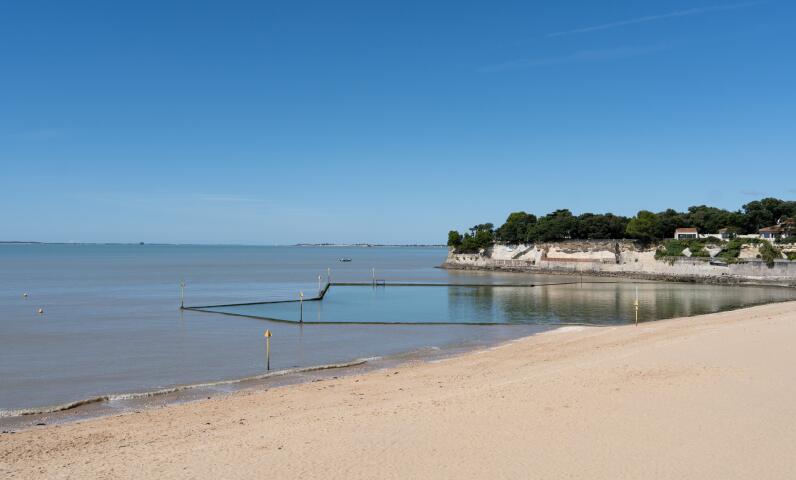
Set out for a day exploring the sea and local heritage
The sea is naturally one of the most beautiful adventures to experience in Charente-Maritime.
Boat tours let you get up close to Fort Boyard and also explore the coasts of Île d’Oléron and Île d’Aix in a whole new way. From the deck of a boat, the scenery takes on a whole new dimension.
Active travelers can try their hand at sea kayaking or stand-up paddleboarding in the oyster channels. The calm waters offer ideal conditions for a first-time experience.
Families also enjoy trips on historic sailing ships. Aboard these traditional vessels, everyone helps with the maneuvers and learns the techniques of sailors from days gone by. These experiences offer a deeper understanding of the strong bond that unites the locals with the ocean.
Our vacationers’ favorite: treat yourself to a sunset cruise. Watching the last rays of sunlight illuminate Fort Boyard and the surrounding islands remains one of the most memorable moments of a stay in Charente-Maritime.
Which villages in Charente-Maritime are must-see destinations?
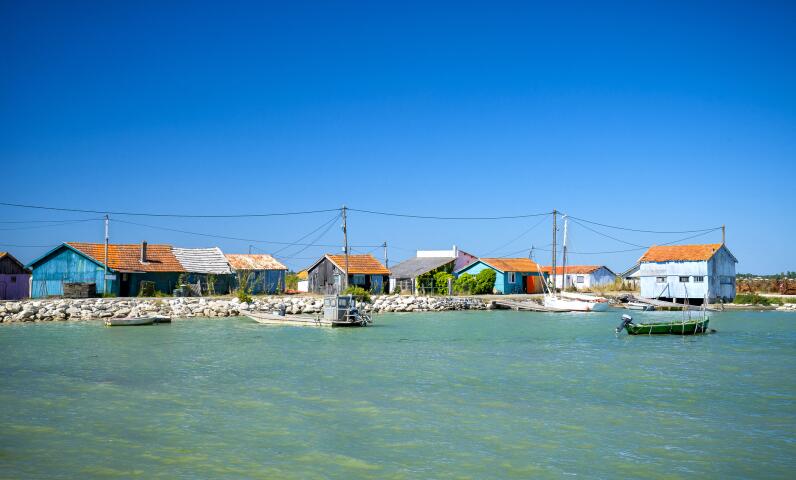
Charming villages where it's a pleasure to stroll
No visit to Charente-Maritime is complete without taking the time to explore some of its most beautiful villages. Brouage, an ancient fortified town surrounded by marshes, impresses with its perfectly preserved ramparts. As you stroll through the cobblestone streets, you’ll travel back several centuries in history to the era when the salt trade brought wealth to the region.
A little further south, Mornac-sur-Seudre immediately charms visitors with its authenticity. Listed among the Most Beautiful Villages of France, it harmoniously blends oyster huts, small harbors, artisan workshops, and traditional houses with colorful shutters.
Finally, Talmont-sur-Gironde, perched on its rocky promontory, offers an exceptional view of the estuary. Its Romanesque church seems to have been watching over the waters for nearly nine centuries.
Our tip: arrive in the late afternoon. The tour groups have left, the light softens, and the atmosphere regains all its charm.
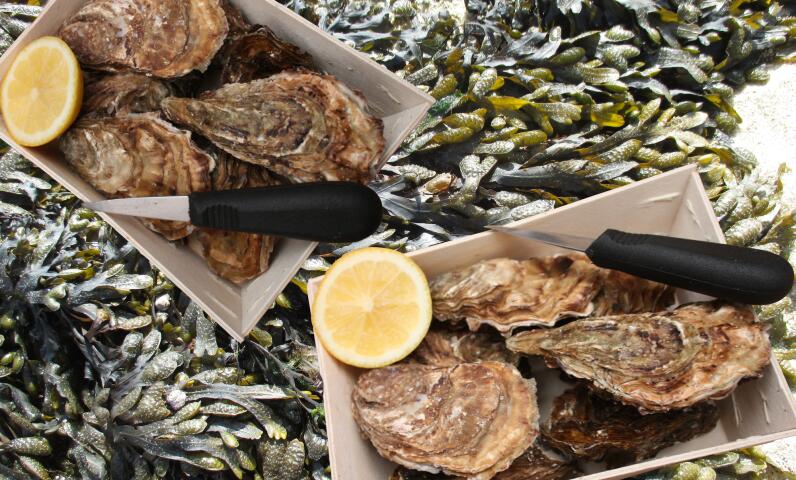
Flavors That Take You on a Journey
Exploring Charente-Maritime also means discovering its culinary heritage.
The markets in La Rochelle, Royan, Rochefort, and Marennes are brimming with local products. Among the colorful stalls, producers are happy to share their tasting tips and talk passionately about their craft. The oysters from Marennes-Oléron are, of course, a must-try. Matured in the famous claires, they develop a delicate flavor that has earned them a reputation far beyond the region.
Don’t miss the bouchot mussels, imperial shrimp, salicornia, or the Charente-style galette—perfect for a gourmet break.
For an authentic experience, head straight to an oyster farmer’s place. A few wooden tables, a view of the maturation ponds… the scene is set.
Our guests’ favorite: ordering a dozen oysters shucked to order, served with a simple slice of country bread and lightly salted butter. Simplicity often brings out the finest flavors.
Charente-Maritime: A Destination That Makes You Want to Come Back
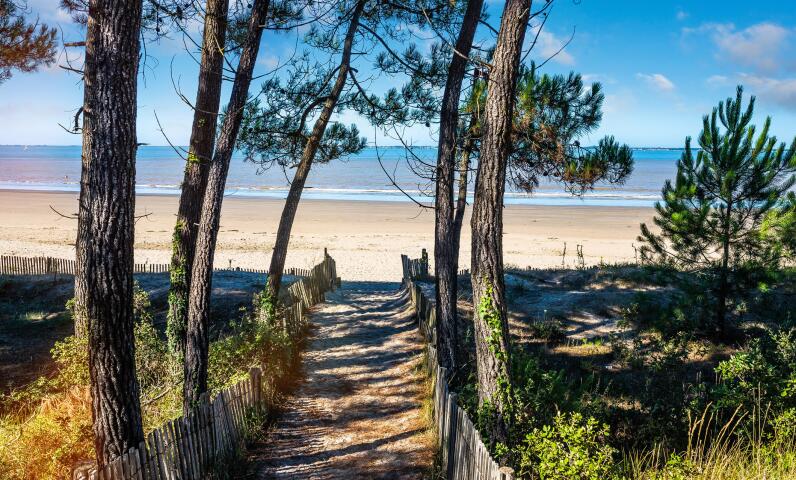
Wondering what to do in Charente-Maritime to make the most of your stay? There are destinations you visit just once. And then there are those you leave with only one thought in mind: to come back.
From Fort Boyard to the Cité de l’Huître,Île d’Oléron,Île d’Aix, charming villages, and countless natural areas, everyone can tailor their vacation in Charente-Maritime to suit their own tastes.
Want to extend the experience? Discover our seaside campgrounds in Charente-Maritime , and enjoy an ideal starting point for exploring the most beautiful treasures of the Atlantic coast.
FAQ – What to Do in Charente-Maritime?
Les incontournables de la Charente-Maritime sont Fort Boyard, l'Île d'Oléron, l'Île d'Aix, Rochefort et la Cité de l'Huître, à découvrir à votre rythme.
Plan to spend at least a week visiting Charente-Maritime to fully enjoy its islands, villages, beaches, and tourist attractions.
It is not possible to visit Fort Boyard, but there are several boat tours that allow you to get as close as possible and admire this iconic landmark.
The Île d'Oléron captivates visitors with its diversity, while the Île d'Aix charms them with its tranquility. Both offer complementary experiences.
Brouage, Mornac-sur-Seudre, Talmont-sur-Gironde, and Le Château-d'Oléron are among the most beautiful villages to visit in Charente-Maritime.
About the Author
Gwénaëlle
Brand Content Manager at Sunêlia • Destination Explorer
Passionate about travel and always eager to discover new places, Gwénaëlle explores Sunêlia’s destinations to find the experiences that make every stay unique. From must-visit spots and getaways to family activities and local treasures, she shares her tips and inspiration to help you plan a vacation full of discoveries and memories.