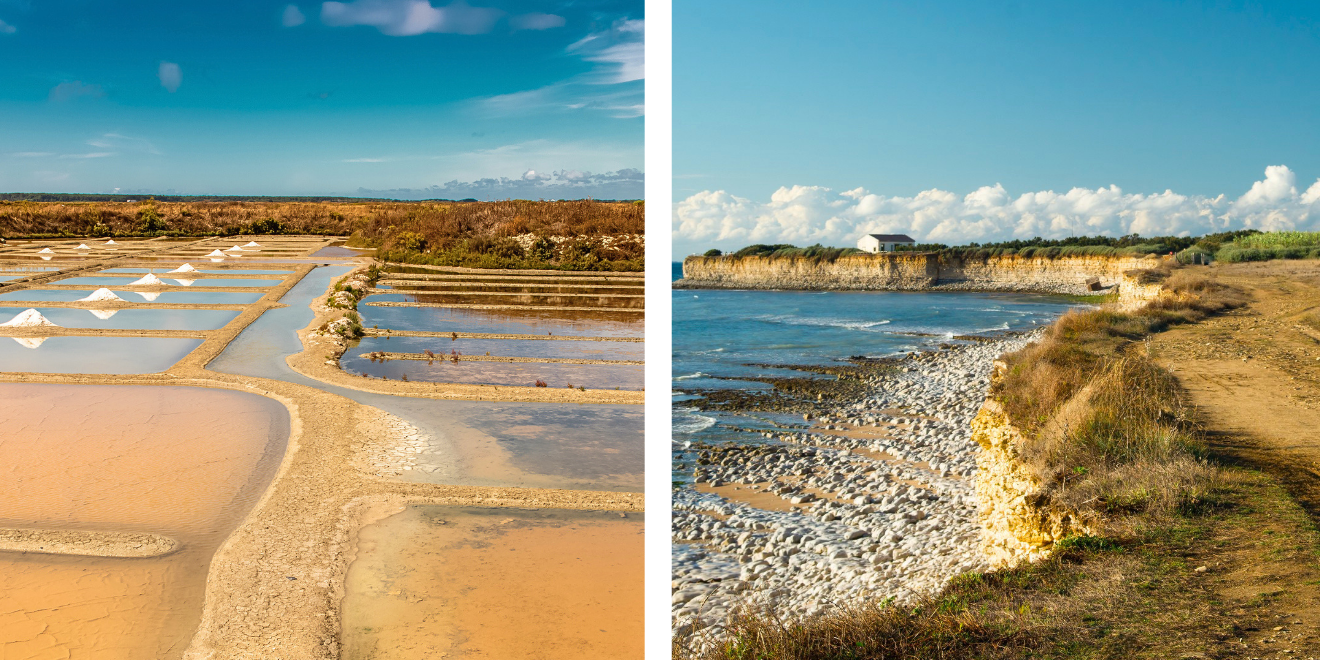
There are destinations that can be visited. And then there are those that must be experienced. As soon as you arrive at our campsite on the Ile d'Oléron, something changes. The air is filled with sea spray. The maritime pines spread their warm perfume. Bicycle paths wind between ocean, forest and white villages with colorful shutters.
Nicknamed "l'île lumineuse", the island of Oleron reveals a subtle blend of wild nature, maritime heritage and the gentle way of life. Follow us as we explore the island's finest treasures.
Why does the island of Oleron appeal so much to travelers?
An island of a thousand landscapes between ocean, forest and marshes
What often surprises on a first visit to the island of Oleron is the diversity of its landscapes. From the mythical Chassiron lighthouse to salt marshes, oyster-farming villages and water sports on long, sandy beaches, every turn offers a new surprise.
In the morning, you drive along an immense beach on the Ile d'Oléron under the pine trees of a fragrant state forest. Then, suddenly, the scenery changes again. Before you lie the salt marshes, where the water reflects the sky like a mirror. While the west coast unveils its wide, wild beaches and wind-sculpted dunes, the island's interior reveals its authentic villages where time seems suspended.
Did you know? With over 160 kilometers of cycle paths, the island of Oleron is one of France's most pleasant destinations to discover by bike.
A deeply rooted maritime identity
Here, the sea is never far away. It shapes the landscape, nourishes the people and has inspired local traditions for generations. Here, you're not just visiting an area. From your seaside campsite, you'll discover a true art of living turned towards the ocean.
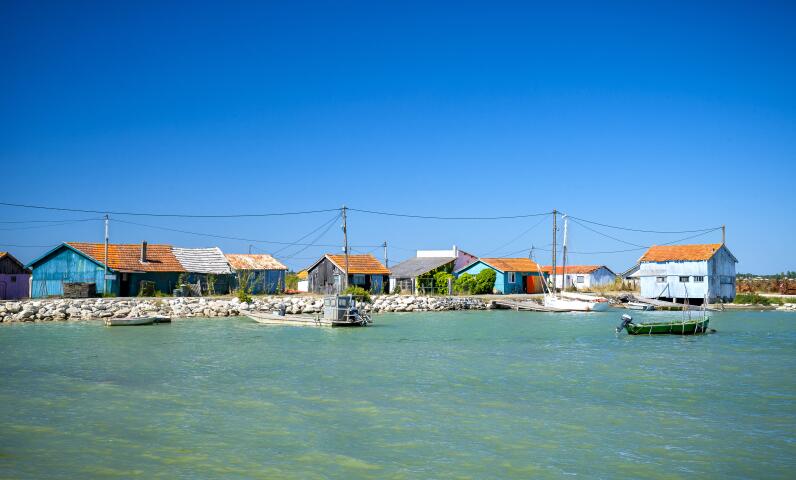
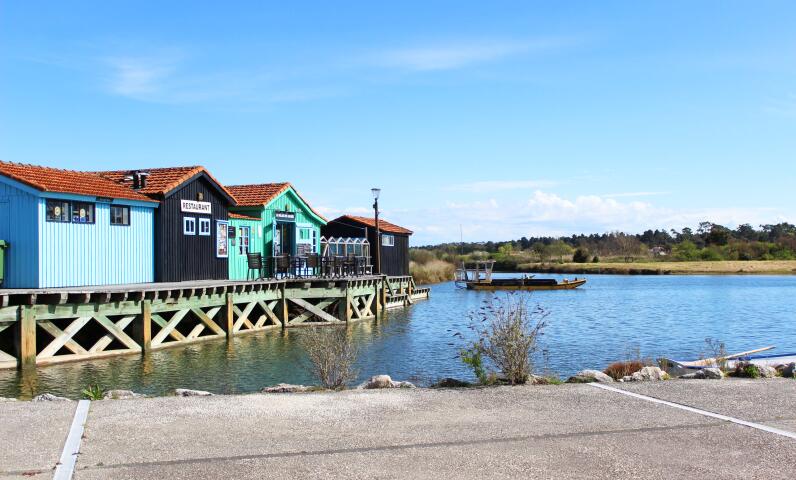
As you turn a bend in the channel, you'll catch a glimpse of a brightly-colored oyster hut. Market stalls abound with oysters from the Marennes Oléron basin, renowned throughout France. This authenticity is undoubtedly one of the island's greatest assets.
How many days should I allow to visit the island of Oleron?
To discover the must-sees on the island of Oléron, three days is the minimum.
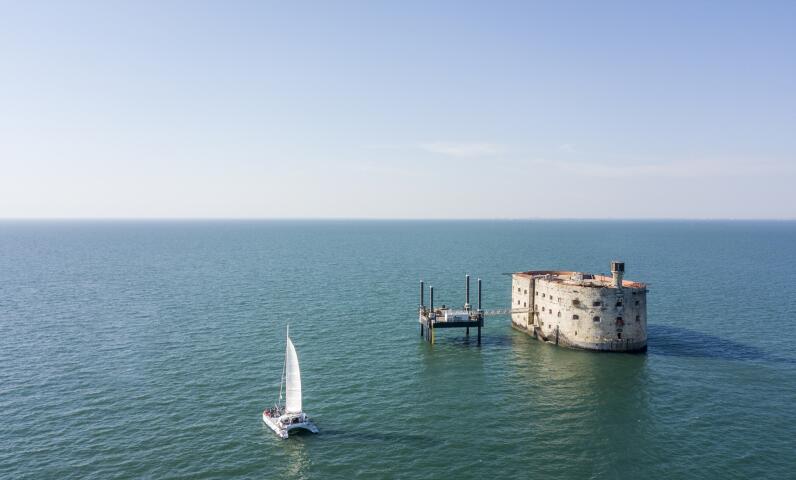
You can explore the Chassiron lighthouse, Château d'Oléron, Saint-Pierre-d'Oléron, La Cotinière and Saint-Trojan-les-Bains.
But to fully experience the spirit of the place, a week is ideal. You'll have plenty of time to alternate discoveries, bike rides, swimming and local tastings. The island will reveal all its richness.
Ile d'Oléron - Lodging in the heart of La Lumineuse
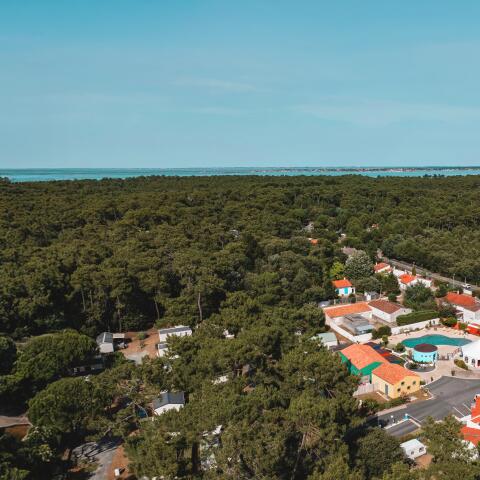
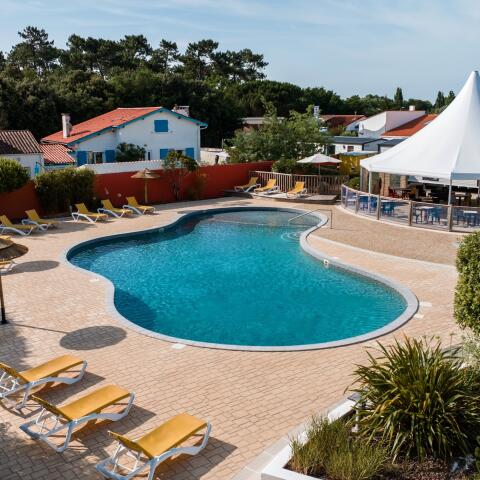
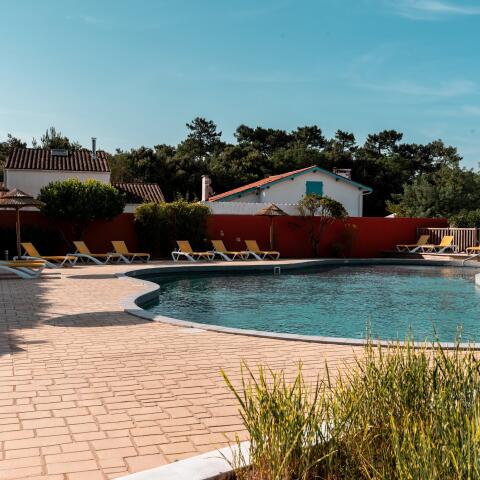
What's on offer in the north of Oleron?
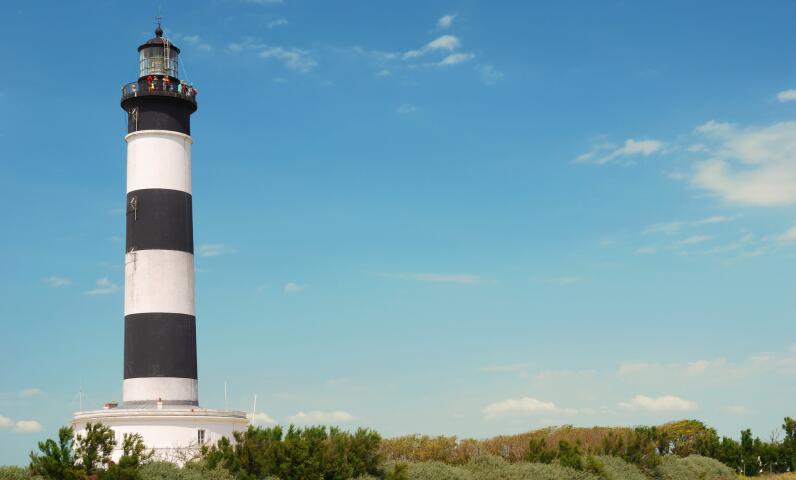
Climb the 224 steps of the Chassiron lighthouse
At the northern tip of the island of Oleron stands one of its most emblematic symbols: the Chassiron lighthouse. Recognizable by its black and white stripes, it has stood watch over the ocean for almost two centuries. You climb the 224 steps of the Chassiron lighthouse one by one. The ascent is gradual.
Then, suddenly, the panorama unfolds and the view is breathtaking. On one side, the immensity of the Atlantic Ocean. On the other, the island's villages, marshes and beaches stretching to the horizon. On a clear day, some visitors can even make out the island of Ré.
Our holidaymakers' favourite: Arrive as soon as it opens. The morning light sublimates the cliffs and offers ideal conditions for admiring the scenery without the crowds.
Stroll through the narrow streets of Saint-Georges-d'Oléron
After the wide-open spaces of the coast, take the time to discover Saint-Georges-d'Oléron. This commune is the largest on the island and boasts typical Oléron charm. Stroll between white houses with colorful shutters. Hollyhocks line the facades. In the central square, the market livens up the mornings in a friendly atmosphere where producers and locals exchange ideas with simplicity.
This is often the way to discover the most beautiful details: a shady little square, an old market hall, a flower-filled alleyway or the church steeple overlooking the village rooftops.
Saint-Georges-d'Oléron perfectly embodies the island's gentle way of life.
Which villages to discover to feel the soul of the Ile d'Oléron?
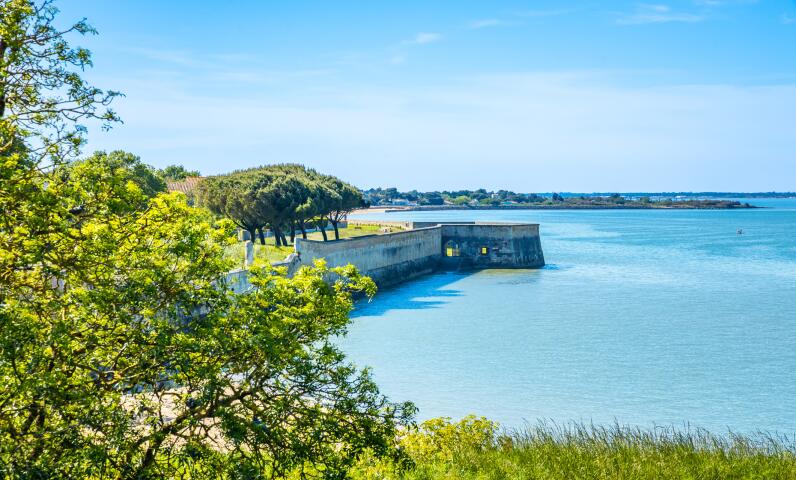
Château d'Oléron and its colorful citadel
It's impossible to visit the island of Oléron without stopping off at Château d'Oléron. As soon as you arrive at your seaside campsite on the Ile d'Oléron, the imposing ramparts of the citadel catch your eye. Built at the instigation of Vauban, this fortification tells the story of several centuries of maritime and military history.
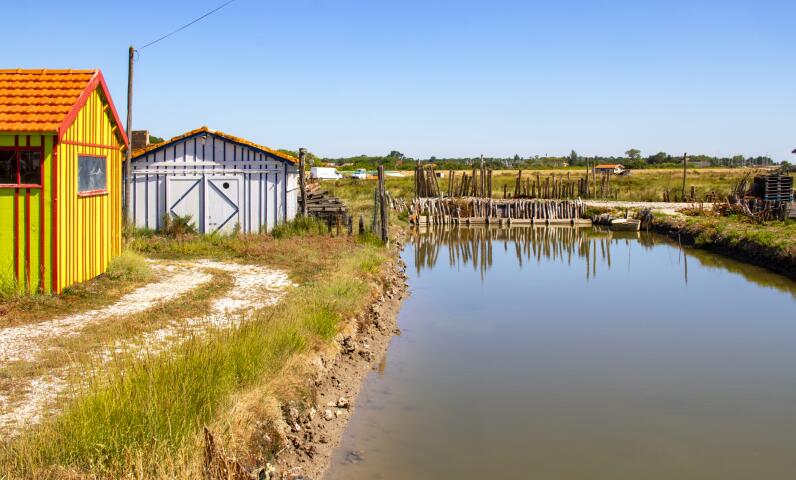
Along the channels, the old oyster huts have found a new lease of life. Craftsmen, painters, ceramists and designers exhibit their work in a particularly inspiring atmosphere.
Did you know? The colorful huts of Château d'Oléron are now one of the largest arts and crafts villages in Charente-Maritime.
Saint-Pierre-d'Oléron, the beating heart of the island
At the center of the island, Saint-Pierre-d'Oléron plays the role of local capital. Vibrant all year round, the commune is home to shops, restaurants, markets and cultural events.
Do you enjoy observing local life? This is where the island reveals its daily life.
The covered market is particularly popular for its regional produce. Oysters, pineau, sea salt, freshly landed fish and specialties from the Charente make up a veritable concentrate of Oleron flavors.
Our advice: Take the time to sit down on a café terrace in the late morning. You'll see the island's life flash by in a simple, warm atmosphere.
Where can you discover Oleron's oyster-farming traditions?
Oyster huts along the oyster route
If there's one place that sums up the soul of the Ile d'Oléron, it's the oyster route. Between Boyardville and Château d'Oléron, the channels wind their way through a landscape shaped by man and the ocean over several centuries. Here, oyster huts color the banks in blue, red or green.
You walk along the edge of the refining basins. The lapping of the water accompanies your stroll. In the distance, an oyster farmer busies himself in front of his pens. The smell of salt mingles with that of sun-warmed wood.
Our holidaymakers' favorite: Sit down at the end of the day facing the channels. When the sun goes down, the golden reflections transform the landscape into a veritable tableau vivant.
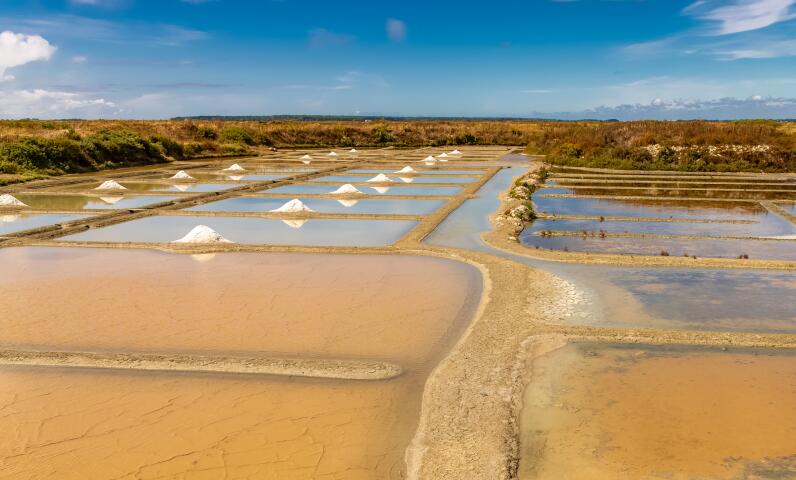
Salt marshes, the island's living treasures
Just a few kilometers from the ocean beaches, another world awaits you.
That of the salt marshes. Silent and soothing, they form one of the most emblematic landscapes on the Ile d'Oléron. Here, time seems to slow down. The ponds reflect the clouds. Migratory birds find refuge in this unspoilt environment.
As you stroll along the paths, you'll discover the meticulous work of the sauniers. Each basin plays a specific role in the harvesting of the precious sea salt.
Did you know? A salt marsh is a veritable ecosystem. It's home to many species of birds, including elegant avocets and white stilts.
What are the most beautiful stages in the south of the island?
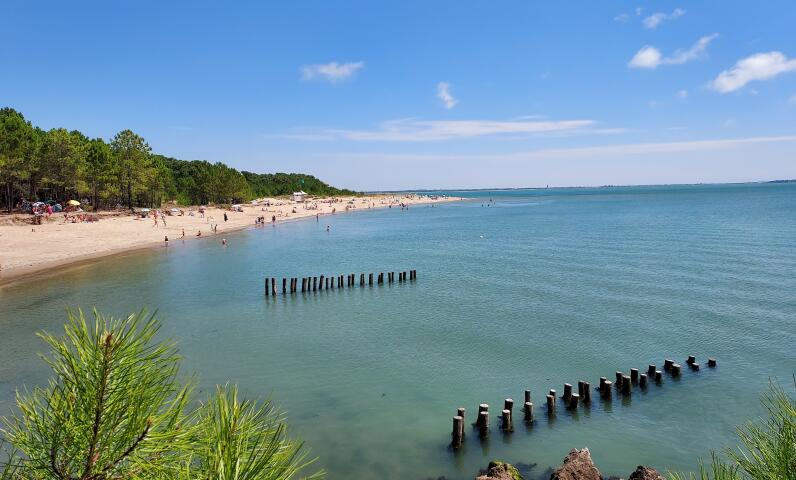
Saint-Trojan-les-Bains, elegance and gentle living
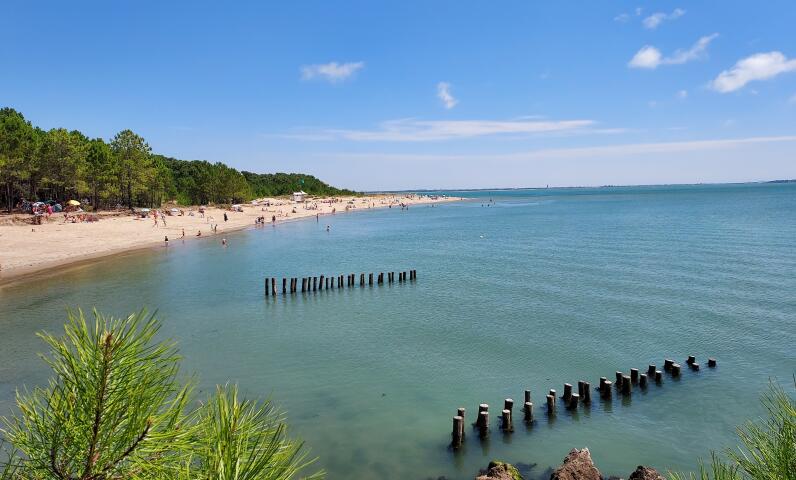
Head for the south of the island. As you approach Saint-Trojan-les-Bains, the landscape changes once again. A vast pine forest lines the beaches. Belle Époque villas recall the first sea baths of the 19th century. Here, the atmosphere is different. More hushed. More elegant.
Stroll along the seafront. The terraces slowly come to life. The colorful shutters of the old mansions tell of the resort's seaside history.
Then comes the beach, bordered by dunes and forest. This is undoubtedly one of the most beautiful places to fully experience the feeling of freedom so typical of the Ile d'Oléron.
Our holidaymakers' favorite: Rent a bike and ride through the national forest in the early hours of the morning, when the sun's rays filter through the pine trees.
Boarding the Train de Saint-Trojan
The Train de Saint-Trojan is one of the most original experiences on the island. From your campsite on the Ile d'Oléron with swimming pool, join this little tourist train. Crossing the wild landscapes of the south of the island, your journey begins in the heart of Saint-Trojan-les-Bains. Little by little, the houses disappear. The forest gains ground. Dunes appear. Then the ocean appears.
The train then skirts some of the most unspoilt beaches on the Ile d'Oléron, only accessible on foot or by this historic line. You'll discover landscapes that have remained virtually unchanged for decades.
Did you know? Every year, the Train de Saint-Trojan transports tens of thousands of visitors through the national forest and wild beaches of the south of the island.
How to enjoy the most beautiful ports on the island of Oleron?
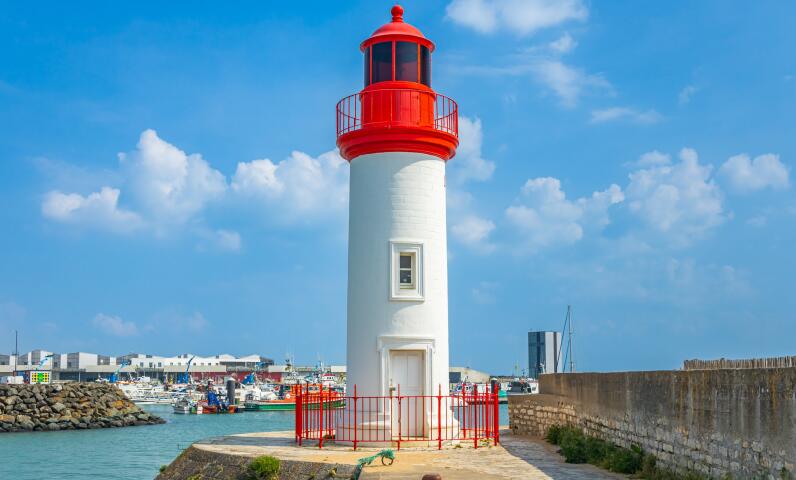
The port of La Cotinière, the maritime heart of Oléron
It's impossible to visit the island of Oleron without stopping off at the port of La Cotinière. Colorful boats sway gently in the basin. Seagulls circle over the quays. Sailors prepare for their next outing, while visitors stroll along the pontoons.
As Charente-Maritime's leading fishing port, La Cotinière lives to the rhythm of the ocean. It's here that soles, sea bass, crab, langoustines and other Atlantic treasures are unloaded every day. To take full advantage of the spectacle, head for the late afternoon when the boats return to port. That's when activity is at its peak.
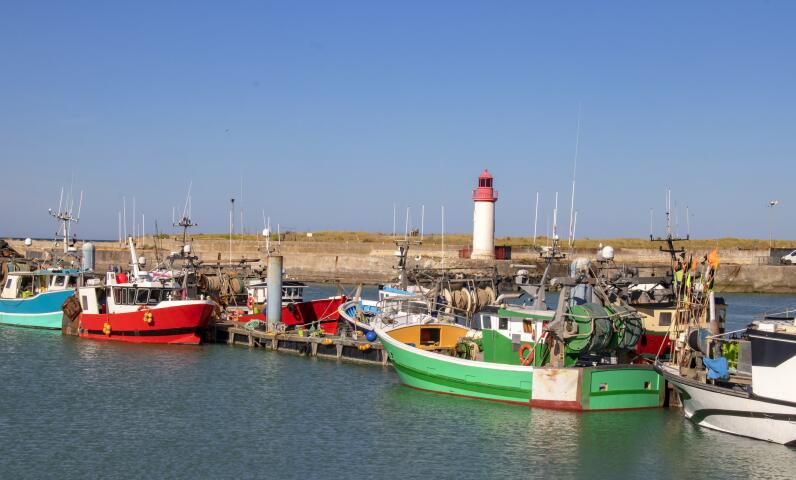
Observe local life at the rhythm of the tides
There's much more toLa Cotinière than fishing. It's also one of the best places to observe daily life on the island. Take a seat on the terrace. Order some seafood. Watch the boats come in and out of port.
You'll soon understand why so many visitors fall in love with this place. Here, the island of Oleron reveals its most authentic face.
Our tip: to feel the full energy of the port, visit the quays early in the morning or when the fishermen are returning.
What unusual places are worth a visit?

Brée-les-Bains, a beach village with discreet charm
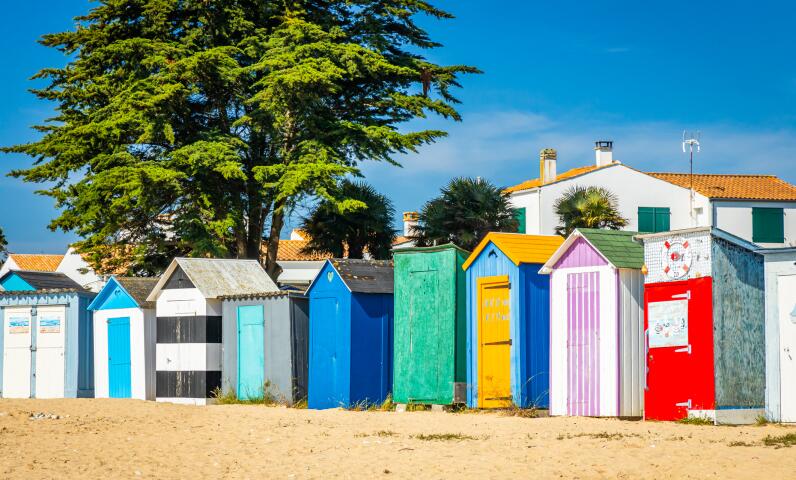
Less well known than other seaside resorts on the island, Brée-les-Bains nonetheless has an irresistible charm and a peaceful, family atmosphere. White bathing cabins line the sand. Children play at low tide. Cyclists ride through the hollyhock-lined lanes. Time seems to pass more slowly. Brée-les-Bains perfectly embodies the gentle way of life that so many holidaymakers on the Ile d'Oléron seek.
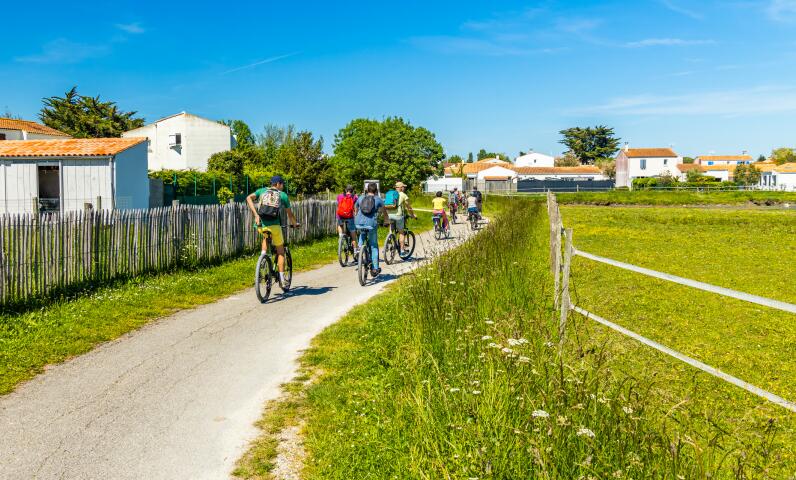
Take part in guided tours to discover the island in a different way
Think you know the island after visiting its main sites? Today, a wide range of guided tours allow you to discover the island from a whole new angle.
Nature walks in the salt marshes, discovering the oyster-farming heritage, ornithological outings or historical tours of the Château d'Oléron: each excursion reveals a different facet of the territory.
Did you know? Some guided tours are organized at sunrise or dusk, offering exceptional conditions for observing wildlife and landscapes.
Our tips for exploring the island like a local
On the island of Oleron, the best discoveries often come from an unexpected detour. So get on your bike whenever you can. Stop off at an oyster shack with no specific agenda. Stroll through a local market. Watch the tides change the landscape hour by hour.
Let yourself be surprised. This is often how the most beautiful memories are made. Because visiting the island of Oleron isn't just about ticking off a list of must-see sites.
It's about adopting a different rhythm for a few days. A gentler pace. Simpler. Freer.
FAQ - Visiting the island of Oleron
The best time to visit the island of Oleron is from spring to autumn. Temperatures are pleasant, landscapes bright and outdoor activities particularly popular.
A day on the island of Oleron includes a visit to the Chassiron lighthouse, a stroll around the port of La Cotinière, a visit to an oyster farm and a final stroll to Saint-Trojan-les-Bains.
The island of Oleron is nicknamed the "luminous island" thanks to its abundance of sunshine and the exceptional quality of its light, which enhances the maritime landscapes all year round.
The salt marshes are mainly found around Château d'Oléron, Grand-Village-Plage and Saint-Pierre-d'Oléron. Guided tours explain how they work.
Saint-Georges-d'Oléron and Brée-les-Bains are particularly appealing to families thanks to their accessible beaches, lively markets and peaceful atmosphere.
The best oyster tasting is to be found in the oyster huts dotted along the channels of the Marennes-Oleron basin, particularly near Château d'Oléron.
About the Author
Gwénaëlle
Brand Content Manager at Sunêlia • Destination Explorer
Passionate about travel and always eager to discover new places, Gwénaëlle explores Sunêlia’s destinations to find the experiences that make every stay unique. From must-visit spots and getaways to family activities and local treasures, she shares her tips and inspiration to help you plan a vacation full of discoveries and memories.