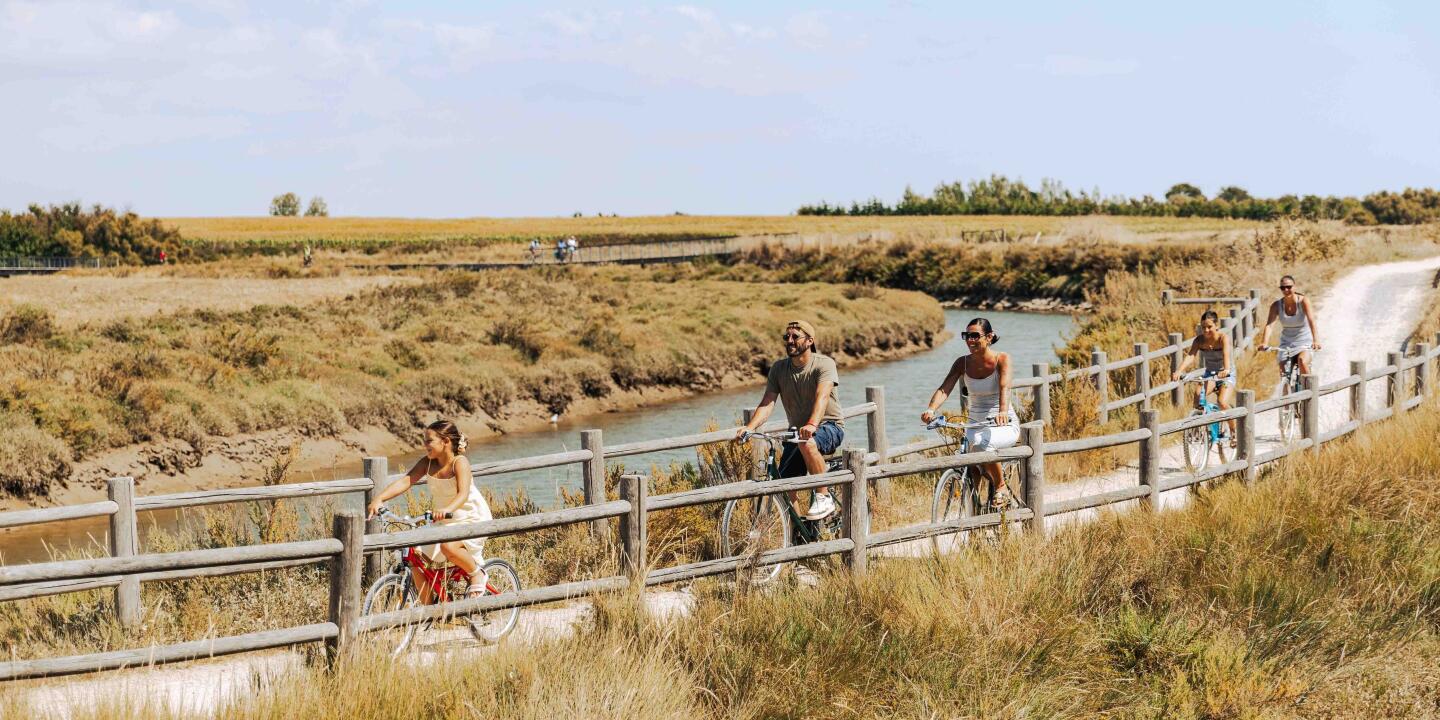
Walking along a coastal trail, stopping by a local producer’s shop, staying several days in the same village: slow tourism puts time back at the service of discovery. Here are 10 French destinations where you can slow down, prioritize sustainable transportation, and better appreciate the landscapes, heritage, and local craftsmanship.
Table of Contents
- What Is Slow Tourism?
- Why choose slow tourism for your vacation?
- 10 Destinations in France for Slow Tourism
- How to Plan a Slow Tourism Vacation?
- FAQ: Slow Tourism
What is slow tourism?
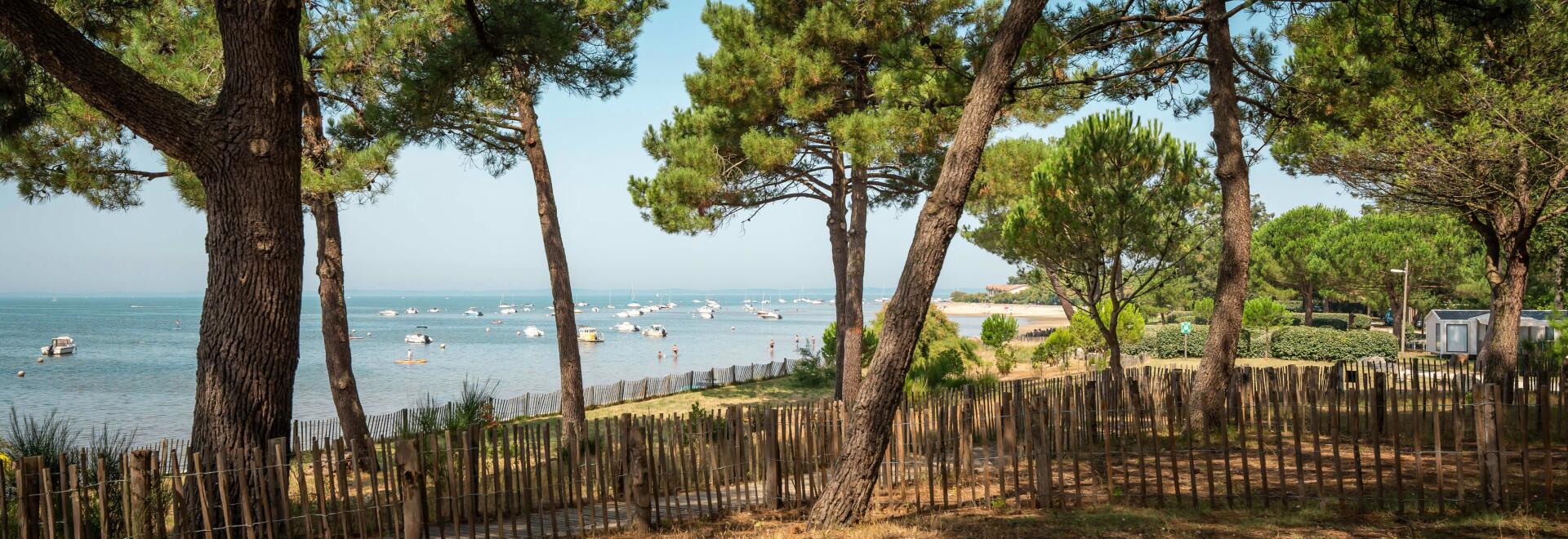
Slow tourism involves traveling while taking more time to discover a region, its people, and its customs. The trip allows for detours, interactions, and observation, with stops chosen for their interest rather than their number.
This approach is inspired by the “slow” movement, which originated around the concept of local, seasonally-conscious eating. Applied to travel, it encourages itineraries on foot or by bike, travel by train when the route allows, and local activities. A morning at the market or a visit to a workshop become highlights in their own right.
Traveling slowly doesn’t mean sacrificing comfort or walking long distances. It’s mainly about choosing fewer stops and staying open to whatever comes your way.
Why Choose Slow Tourism for Your Vacation?
Slowing down simplifies the itinerary. With a stable base and a few well-chosen outings, a swim can last longer, a visit can be extended, and the weather can be factored in more easily. This freedom suits couples and families alike.
Slow tourism also helps you gain a deeper understanding of a destination. By returning to the same market or chatting with a guide, you notice details that you’d miss during a quick visit. Spending money with local producers, restaurant owners, artisans, and tour guides creates a more direct connection to the local economy.
This alternative way of traveling can support sustainable tourism when trains, bicycles, or walking replace certain motorized trips. The two concepts are not synonymous: sustainable tourism assesses environmental, social, and economic impacts, while slow tourism primarily describes a pace.
10 Destinations in France for Slow Tourism
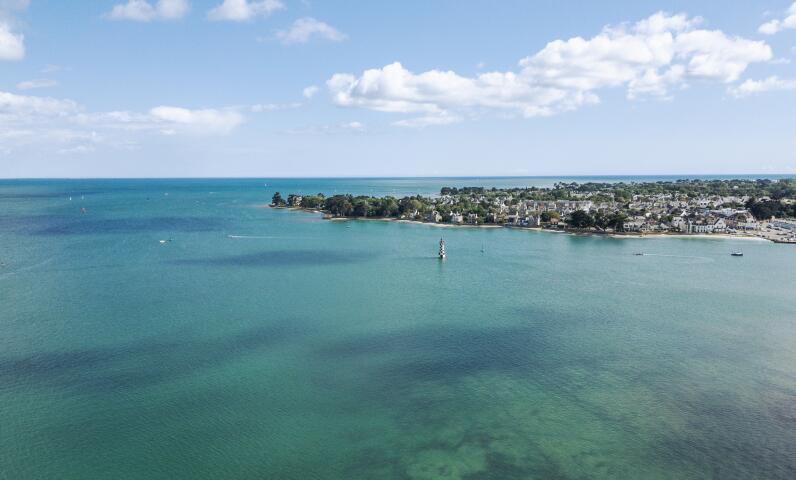
Brittany: Explore the Coastline at Your Own Pace
In Brittany, choose a section of the GR®34—reserved for hikers—around the Crozon Peninsula or the Erquy and Fréhel headlands. Half a day is enough to explore the coves and harbors.
By bike, follow the regional greenways, particularly the Ille-et-Rance Canal. A visit to a market or an artisan’s workshop rounds out the day’s journey. Staying at a campground in Brittany makes it easy to plan a hub-and-spoke itinerary.
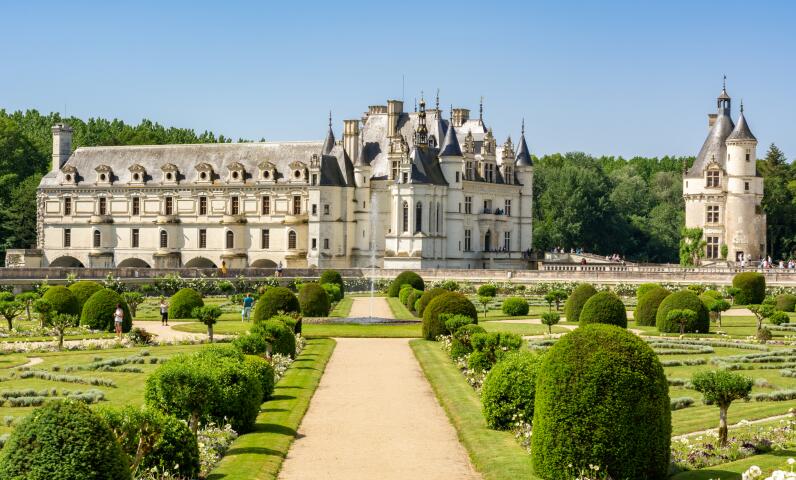
The Loire Valley: Explore the castles and villages by bike
The Loire Valley combines cultural heritage, riverside landscapes, and marked cycling routes. On the “La Loire à Vélo” route, plan a stop between Tours, Villandry, or Amboise, then visit a single castle and the nearby town. Taking the train allows you to adjust the distance or return to your starting point. A campground in the Loire Valley serves as a base from which to explore the area without changing accommodations. Alternate between biking, strolling along the banks of the Loire, and meeting local producers.
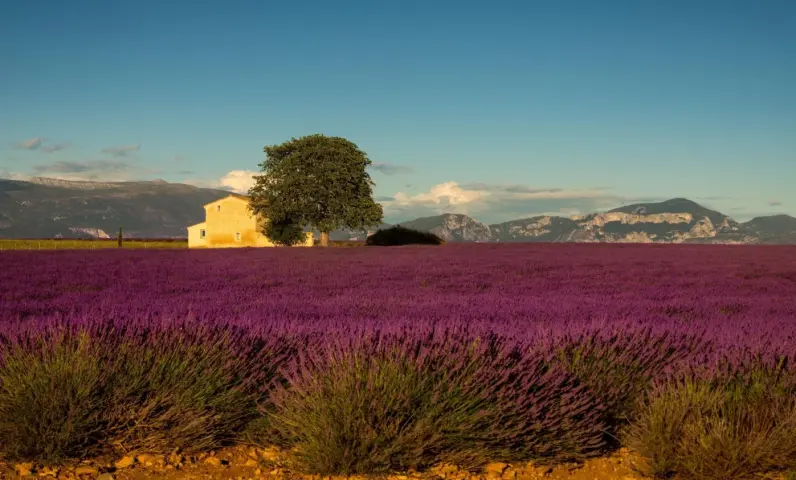
Provence: Enjoy the markets and natural landscapes
In the morning, the markets in Apt or L'Isle-sur-la-Sorgue showcase local produce and the changing seasons. Continue on to a village in the Luberon or a trail in the Dentelles de Montmirail, choosing a loop that’s suitable for the heat and your fitness level.
Spend each day exploring a nearby area. In the summer, set out early and check the access conditions for the mountain ranges, which may change depending on the risk of wildfires. Spend the late afternoon along the banks of the Sorgue River to extend your exploration without a long drive.
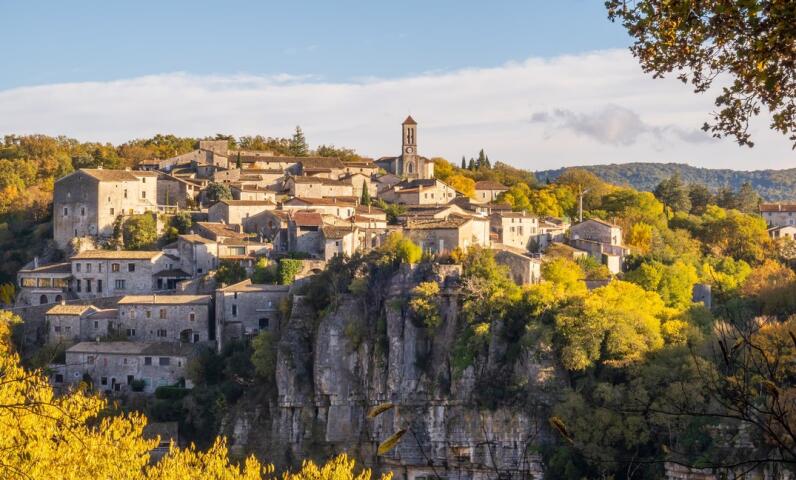
The Ardèche: A Place to Recharge by the River
La Dolce Via follows an old railroad track through the Eyrieux Valley. Accessible on foot, by hybrid bike, or by e-bike, it connects Les Ollières-sur-Eyrieux, Le Cheylard, and Saint-Martin-de-Valamas. Choose a section to cycle, have lunch in a village, and take in the terraced slopes. The rivers also invite you to slow down: go for a swim at a designated spot, take a guided canoe trip, or rest in the shade.

The Vosges: A Place to Slow Down Amid Forests and Lakes
From the Les Nids du Lac campground, Lake Bouzey offers a chance to slow down without having to make too many trips. The approximately 7-km walking loop takes about 1 hour and 30 minutes to complete, though it may take longer if you take the time to stop and rest. A detour to the peat bog at Étang de la Comtesse extends the walk through a sensitive natural area, ideal for observing birds, water lilies, and frogs.
You can also explore the lake by bike. The Natur’O Vélo Bouzey bike rental center offers rentals from May through September, according to its operating schedule. Round out the day with a canoe, pedal boat, or sailing outing, then enjoy the developed beaches with supervised swimming in the summer, during the hours posted on-site. A camping trip in the Vosges thus allows you to alternate between walks, water activities, and quiet time all around the same body of water.
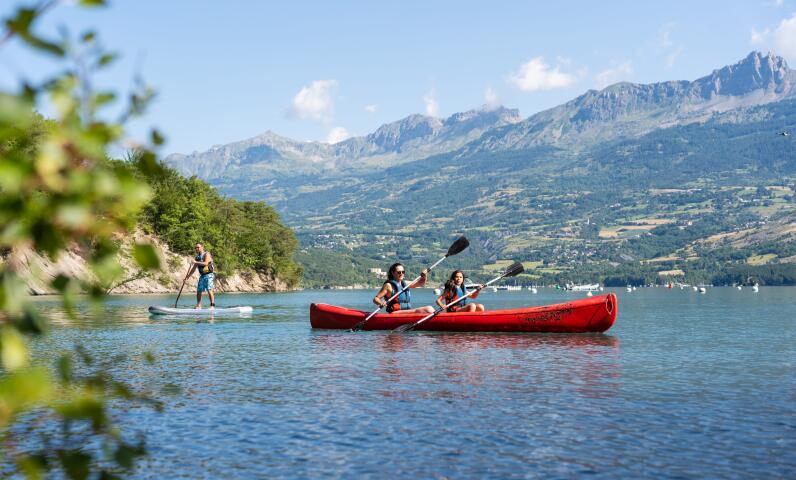
The Alps: The Perfect Destination for Hiking and the Great Outdoors
In the Southern Alps, Lake Serre-Ponçon offers water sports, charming villages, and hiking trails all in one area. Start with the walking trail around Embrun Lake, then spend another day swimming at a supervised beach, kayaking, or strolling along the lake’s promenades. The markets in Embrun and the narrow streets of Savines-le-Lac offer peaceful stops between outings.
At the gateway to the Écrins National Park, the hamlet of Les Gourniers, above Réallon, offers access to family-friendly hikes and wildlife viewing. Choose a trail based on its duration and elevation gain, then check with the tourist office or a park visitor center for information on snow conditions and trail status. For a relaxing mountain vacation, plan a lighter day after a strenuous hike.
You can spend this relaxing day visiting a cheese farm, exploring a village’s historic sites, or simply enjoying the lakefront.

The Basque Country: Discover the villages and local traditions
Just a few kilometers from the coast, Espelette, Ainhoa, and Sare invite you to stroll among Labourd-style houses, town squares, and frontons. After the market, continue on a marked trail or take a workshop. On the coast, the train and local transit lines make it easy to go on excursions.
Focus your trip on a single region. Spend one day exploring the villages, another walking along the coast, and then meet a producer of chili peppers, cheese, or Basque cake.
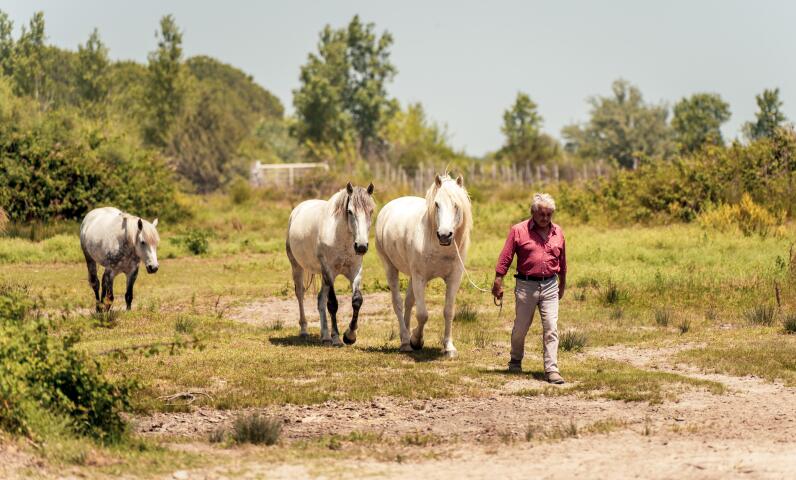
The Camargue: A Place to Observe Nature and Wild Landscapes
The Camargue is best explored at dawn or at the end of the day, when birdwatching is more comfortable. On designated trails, bring binoculars and stay on the marked paths. The Vigueirat, La Capelière, and Pont de Gau marshes each offer a unique experience. If you’re biking, choose a loop that takes the wind into account. One area per day is enough to explore the ponds, visit Arles, or head to a village.
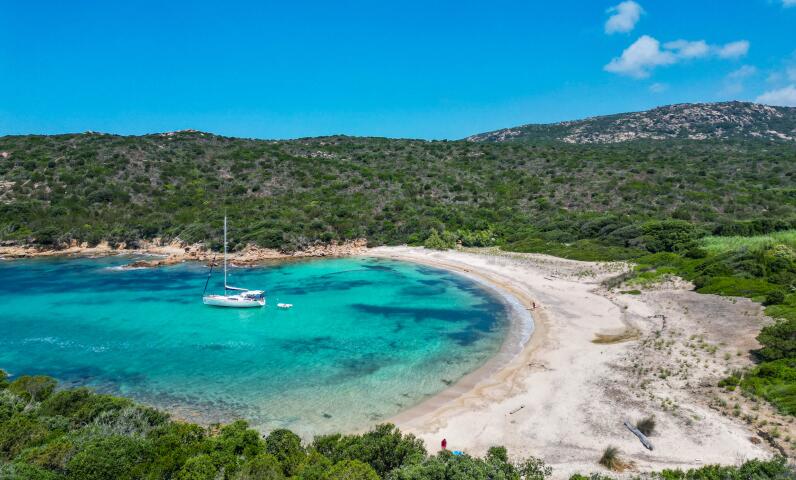
Corsica: Explore the villages and coastal trails
Corsica is ideal for short hikes. In Cap Corse, hike just a section of the coastal trail between Macinaggio and Centuri, choosing your distance based on the time you have available and your fitness level. Around Bonifacio, several coastal loops let you avoid tackling a demanding mountain route.
Choose an area and explore it over several days. A morning hike, a visit to a village, and a meal featuring local products will fill your day. In spring and fall, the temperatures are often ideal for coastal hiking; always check the trail conditions.
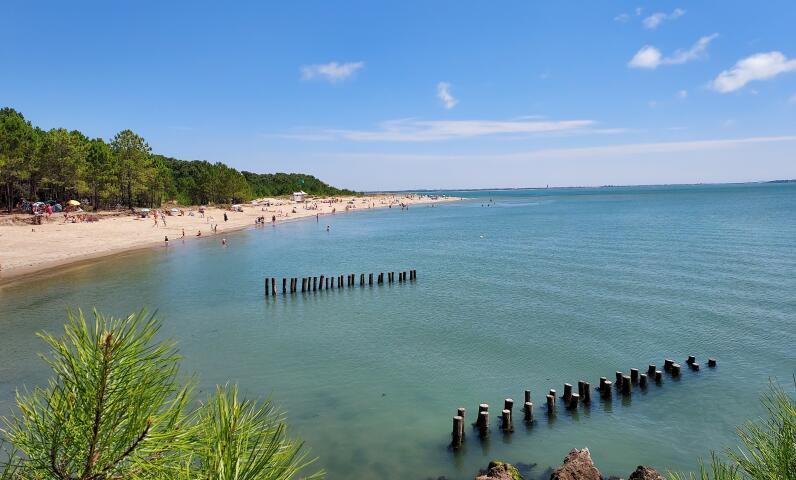
Oléron Island: Exploring the beaches and villages by bike
With nearly 160 km of bike paths, the Île d’Oléron is easy to explore on short loops. Cycle through the marshes, the forest, and the villages, then stop at Port des Salines or the oyster huts in Château-d’Oléron. The beaches at Dolus are accessible via bike paths and have bike parking. A camping trip on Île d’Oléron lets you alternate between biking, shopping, and the beach without having to get back in the car. Plan a loop in the morning, a visit related to salt or oysters, and then a break on the coast. Take the wind into account before deciding on the distance.
How can you plan a vacation based on the principles of slow tourism?
Prioritize sustainable transportation and short trips
Choose a destination accessible by train or limit your drive to a single trip there. Once you arrive, locate train stations, shuttle services, greenways, and walking trails within a 30- to 45-minute radius of your lodging. Grouping three or four outings on a map reduces the number of round trips. Also note market days, shuttle schedules, and bike rental locations.
Cycling isn’t mandatory. Walking to the market, taking a local bus, or combining train and bike travel all fit the same spirit. Check schedules and bike transport policies—especially in the summer—and download the necessary maps in advance if cell service coverage might be limited.
Choose local activities and take the time to explore
Prioritize activities that showcase the region: salt marshes, nature walks, craft workshops, tastings at a local producer’s, or river heritage sites. Scheduling just two activities per week leaves room for whatever takes your fancy on any given day. Markets are good starting points, provided you know their opening days. Then ask a local producer or the tourist office for a nearby walk, a less-crowded village, or a place to have lunch.
For each day, plan one main activity, a local break, and a simple Plan B in case of rain or extreme heat. An indoor visit, a short stroll through a small town, or a longer lunch will help you avoid having to replace a canceled outing with a long trip at the last minute.
Stay longer in one place to minimize travel
Stayingfour or five nights in the same place allows you to explore a reasonable radius and plan for a day without sightseeing. If the sites you’ve chosen are in opposite directions, shorten your list or plan two successive bases. Group outings by area and avoid making more than one long trip in a single day.
This approach works well for families: children get their bearings, and quiet time fits in easily. Keep one day free in case of bad weather, for a local recommendation, or simply to enjoy staying put.
FAQ: Slow Tourism
Slow tourism primarily refers to a way of traveling more slowly, with fewer stops and more local experiences. Sustainable tourism takes a broader view of environmental, social, and economic impacts; therefore, a slow trip is sustainable only if transportation, lodging, and activities are also chosen with care.
Brittany, the Loire Valley, Provence, the Ardèche, the Vosges, the Alps, the Basque Country, the Camargue, Corsica, and the Île d’Oléron offer trails, bike paths, and local expertise that are ideal for slow tourism. The best choice depends mainly on the activity you’re looking for: walking along the coast, cycling tours, hiking in the mountains, nature observation, or exploring villages.
When traveling as a family, choose a fixed base, plan short outings, and stick to one main activity per day. A greenway, a market, a guided nature walk, or a visit to a local producer will create a varied schedule, with time for meals, swimming, and rest.
Spring and early fall often offer pleasant temperatures and fewer crowds, making them ideal for walking or biking. Summer is still a good time for beach destinations and mountain trips, provided you head out early, take the heat into account, and check access to natural areas.
About the Author
Gwénaëlle
Brand Content Manager at Sunêlia • Destination Explorer
Passionate about travel and always eager to discover new places, Gwénaëlle explores Sunêlia’s destinations to find the experiences that make every stay unique. From must-visit spots and getaways to family activities and local treasures, she shares her tips and inspiration to help you plan a vacation full of discoveries and memories.